6 Best Steam Irons For Setting Adhesive Backings
Discover the 6 best steam irons for adhesive backings. Learn which models offer the consistent heat and steam pressure needed for a professional-grade bond.
Setting adhesive backings onto your knitted or crocheted pieces requires a delicate balance of heat, moisture, and pressure to ensure a permanent bond without melting delicate fibers. Whether you are stabilizing a sweater facing or applying fusible interfacing to a knit bag, the right steam iron acts as a professional-grade tool for structural integrity. This guide explores the best irons to help you achieve crisp, clean results that won’t compromise the drape or hand of your finished work. Choosing the right equipment now prevents the frustration of peeling edges or scorched yarn later.
Rowenta Focus Excel: Best Overall Steam Iron


The Rowenta Focus Excel is a workhorse that many of us in the fiber community rely on because of its consistent steam distribution. When you are fusing a large piece of interfacing to a garment back, you need even heat across the entire soleplate to prevent "dead zones" where the adhesive might fail to activate.
Its precision tip is particularly helpful for navigating the tight corners of a neckline or the small area of a patch pocket. I find the steam output is robust enough to penetrate through several layers of fabric and yarn without needing to press down with excessive, arm-tiring force.
Keep in mind that this iron is on the heavier side, which is a double-edged sword. While the weight helps press the adhesive into the fiber, it can be taxing during long finishing sessions. Bottom line: This is the gold standard for those who want professional, reliable fusion every time.
Reliable Velocity 230IR: The Top Premium Pick

If you find yourself finishing garments regularly, the Reliable Velocity 230IR is a game-changer because it utilizes a built-in steam generator. Unlike standard irons that wait for water to drip onto a hot plate, this model converts water into steam before it hits the fabric.
This constant, pressurized steam is essential for knitters working with thicker wools or dense, felted projects that require significant moisture to set an adhesive. You won’t deal with the annoying "spitting" of water droplets that can leave unsightly stains on your hand-dyed yarns.
The price point is a steeper investment, but the durability is unmatched for a dedicated crafter. Bottom line: Choose this if you want to eliminate the wait time between steam bursts and require a truly consistent, high-pressure flow.
Black+Decker D3030: Best Value for Fiber Arts
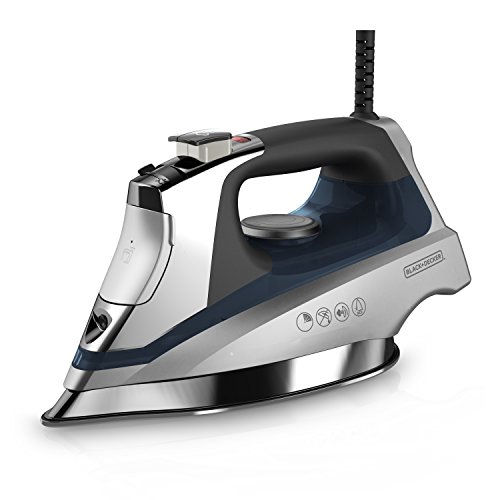
The Black+Decker D3030 offers a surprising level of performance for its price, making it an excellent choice for those who are building their studio on a budget. It heats up rapidly, which is perfect for those "I just need to finish this one seam" moments when you don’t want to wait ten minutes for your tools.
The soleplate glides very smoothly, which is critical when you are working with delicate fibers that might snag on a rough surface. It provides enough steam for most standard fusible interfacings, though it may struggle with the very heavy-duty adhesives used in bag making.
Be aware that the water tank capacity is smaller than premium models, so you will be refilling it more often. Bottom line: This is the best value for the hobbyist who needs a reliable, no-fuss tool for everyday blocking and light adhesive work.
Sunbeam Steam Master: Best Budget Iron Choice
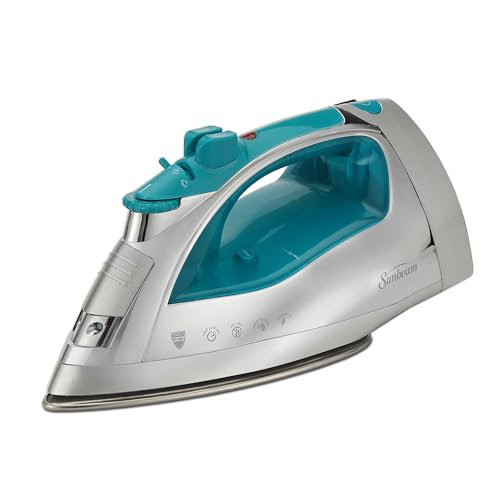
The Sunbeam Steam Master is a classic, no-frills iron that has been a staple in sewing rooms for years. Its wide soleplate is surprisingly effective for covering large areas, such as applying a full-length stabilizer to a cardigan front.
While it lacks the sophisticated temperature controls of more expensive models, it maintains a steady heat that is perfectly adequate for basic cotton or wool-blend interfacings. It’s lightweight, which makes it easy to maneuver for those with limited grip strength or arthritis.
Expect to replace this model sooner than a premium iron, as the internal components are not designed for heavy-duty, daily commercial use. Bottom line: A solid, affordable choice for the occasional crafter who needs a functional iron for simple adhesive applications.
Oliso TG1600 Pro Plus: Best for Precision Work

The Oliso TG1600 Pro Plus features a unique "iTouch" technology that lifts the iron off the board when you let go of the handle. For a knitter, this is a massive safety benefit because it prevents the iron from resting on your delicate yarn or accidentally scorching your knitting board.
The precision of the heat control is superb, allowing you to dial in exactly the right temperature for sensitive synthetic fibers. When working with delicate lace or fine alpaca, the ability to control the exact degree of heat prevents the fibers from becoming flattened or "killed."
The iron is quite bulky, so you will need a dedicated space to store it. Bottom line: If you are prone to leaving your iron down or working with high-end, heat-sensitive luxury fibers, this is the safest and most precise tool available.
Panasonic NI-E660SR: Best for Easy Handling
The Panasonic NI-E660SR features a curved, U-shaped soleplate that is designed to prevent bunching as you move the iron across your project. When you are fusing interfacing to a stretchy knit, this design helps keep the fabric flat and prevents the "accordion" effect that can ruin the shape of your garment.
It is lightweight and features a very ergonomic handle, making it a favorite for those who find heavy irons cumbersome. The steam vents are well-distributed, ensuring that the moisture reaches the adhesive evenly without soaking the surrounding yarn.
Because it is lightweight, you may need to apply a bit more downward pressure manually to ensure a strong bond. Bottom line: An excellent choice for those who prioritize ease of movement and preventing fabric distortion during the fusing process.
How Steam Affects Adhesive Backing Materials
Steam is essentially the catalyst that liquifies the resin dots on your fusible interfacing, allowing them to penetrate the fibers of your knit. Without enough steam, the adhesive will sit on the surface, resulting in a bond that peels away after the first wash.
Too much steam, however, can cause your knit fabric to lose its structural memory or, in the case of some acrylics, cause the fibers to permanently flatten. You are looking for a "dry steam" that hydrates the adhesive without saturating the yarn.
- Natural Fibers: Absorb steam well; use moderate heat.
- Synthetics: Can melt; use low steam and a press cloth.
- Blends: Follow the setting for the most delicate fiber in the mix.
Optimal Heat Settings for Different Interfacings
Always match your iron’s temperature to the interfacing manufacturer’s instructions, but adjust based on your yarn’s heat tolerance. A good rule of thumb is to use the "Wool" setting for most animal fibers and the "Synthetics" setting for nylon or polyester blends.
If you are unsure, perform a test on a small, leftover swatch from your project. If the adhesive doesn’t stick after ten seconds of pressure, increase the heat slightly; if the yarn looks shiny or feels stiff, decrease it immediately.
Never use the "Linen" or "Cotton" setting on high-end wools, as this can cause the fibers to become brittle. Always err on the side of lower heat and longer press time.
Preventing Scorching on Delicate Fiber Projects
Scorching is the knitter’s nightmare, especially when working with light-colored or white yarn. A press cloth—a simple piece of cotton muslin or a thin tea towel—is your best defense against direct heat damage.
The press cloth acts as a buffer, diffusing the heat and preventing the iron’s soleplate from making direct contact with your yarn. It also helps to absorb any excess moisture, preventing the yarn from becoming waterlogged.
If you are working with mohair or fibers with a halo, be extremely careful; the heat can "mat" the fibers, destroying the soft, fuzzy texture you worked so hard to create. Always use a press cloth when working with fuzzy or delicate yarns.
Essential Safety Tips for Steam Ironing Crafts
Safety in the craft room is often overlooked, but steam burns are a very real risk when working close to your fabric. Always keep your hands away from the steam vents and ensure your iron is placed on a heat-safe, stable surface.
When working with large projects, clear your workspace of any dangling cords or extra yarn scraps that could catch on the iron. If you have pets or small children, make sure the iron is unplugged and stored safely the moment you finish your task.
Finally, always use a dedicated ironing board with a clean cover to avoid transferring dust or old dye residues onto your project. Bottom line: Treat your iron with the same respect you give your sharpest needles; a safe workspace is a productive one.
Setting adhesive backings correctly is the secret to moving from "homemade" to "handmade" quality. By choosing an iron that matches your specific fiber needs and applying heat with patience, you ensure your hard work lasts for years. Remember that your iron is a precision tool, not just a household appliance, and it deserves the same care as your favorite set of needles. Happy crafting, and may your seams always stay secure.