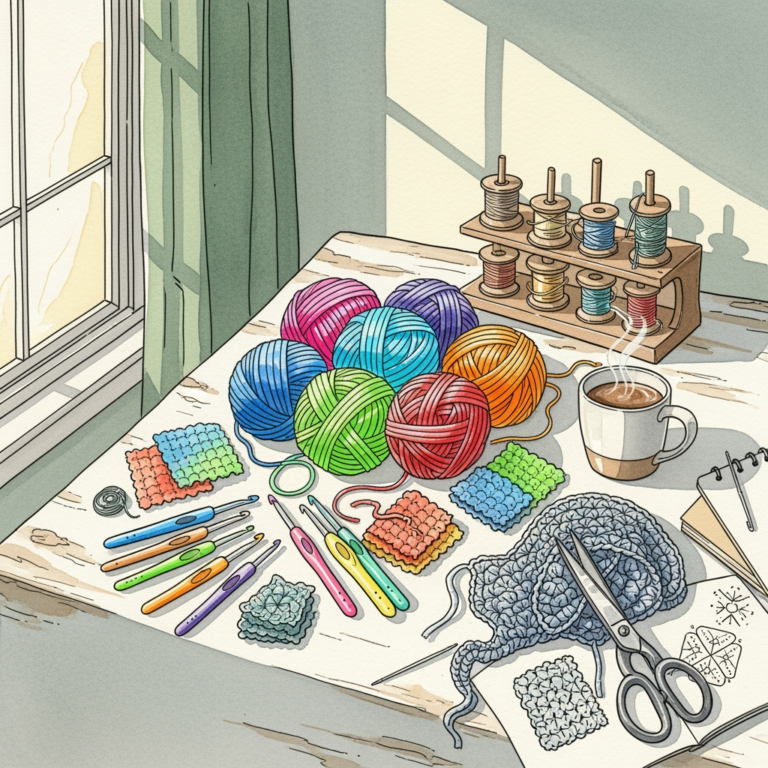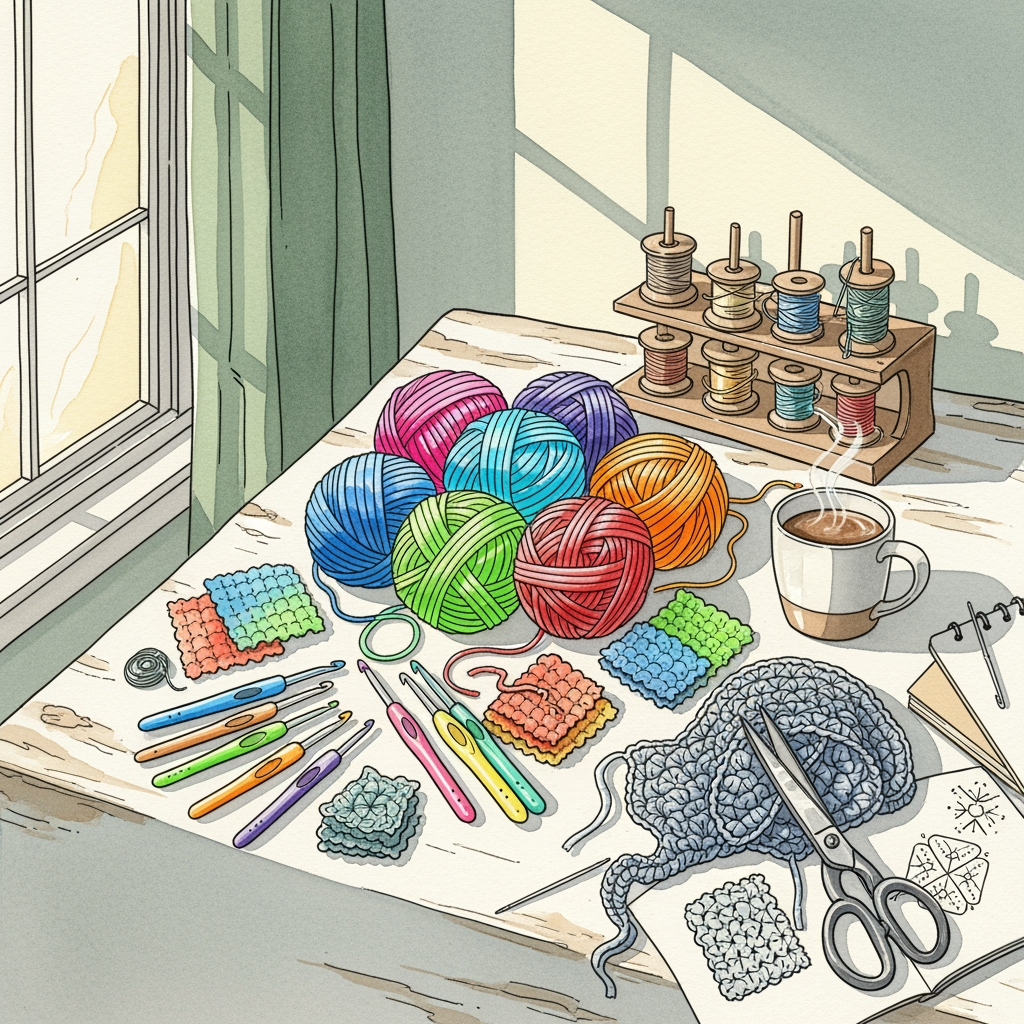
6 Best Acrylic Yarn Bundles For Kids Crafts Reviewed
Discover the top 6 acrylic yarn bundles for kids’ crafts. We review durability, softness, and color variety to help you choose the best supplies for projects.
Introducing children to the world of fiber arts is one of the most rewarding ways to foster patience, creativity, and fine motor skills. Choosing the right yarn is the difference between a child falling in love with knitting or becoming frustrated by fibers that split and tangle. This guide breaks down the best acrylic bundles to ensure your young maker has a successful first project. By focusing on durability and ease of handling, you can set the stage for a lifelong hobby.
Lion Brand DIY Glow: Best for Creative Projects


This yarn is a whimsical choice that instantly captures a child’s imagination by literally glowing in the dark. It is a medium-weight acrylic that behaves predictably on the needles, making it a fun novelty for small projects like wristbands or headbands.
Because it is a synthetic fiber treated with a phosphorescent coating, it does have a slightly stiffer hand than standard acrylics. You will find that it holds its shape exceptionally well, which is helpful when a child is still mastering their tension.
Keep in mind that the glow effect requires "charging" under a bright light source. It is a fantastic incentive for kids who might otherwise lose interest in the repetitive nature of knitting.
Red Heart Super Saver: Best Value for Beginners
If you are teaching a group of children, this is the gold standard for sheer economy and durability. It is a sturdy, workhorse acrylic that withstands the constant tugging and frogging—the act of ripping out stitches—that inevitably happens during the learning process.
The yarn has a high twist, which prevents it from splitting while a child is struggling to find the next loop. While it may feel a bit scratchy to a seasoned knitter, it softens significantly after a trip through the washing machine.
Don’t be afraid of the initial stiffness; it provides the structure needed for a beginner’s first square or scarf. It is the most forgiving yarn on the market for those learning to control their yarn tension.
Bernat Maker Home Dec: Best for Chunky Crafts

This yarn is technically a tubular knit rather than a traditional spun yarn, which makes it incredibly easy for small hands to manipulate. It is essentially a cotton-nylon blend that mimics the ease of acrylic, providing a smooth surface that slides effortlessly off needles.
Because of its thickness, projects grow very quickly. This is crucial for children who need to see immediate results to stay motivated.
It is ideal for making baskets, thick coasters, or quick-knit decorative pillows. Because it is a tube, it will never split or fray, which removes one of the biggest hurdles for new knitters.
Caron Simply Soft Solids: Best for Soft Texture

When a project requires a softer touch—like a stuffed animal or a soft cowl—this is the superior choice. It has a beautiful, subtle sheen and a drape that feels much more expensive than it actually is.
The tradeoff for that softness is a slightly slippery texture. If a child is using slick metal needles, the stitches might slide off the tips more easily than with a grippier wool or wool-blend.
Pair this yarn with bamboo or wooden needles to add a bit of friction. This combination will help keep the stitches secured while the child focuses on their knitting rhythm.

Paintbox Yarns Simply DK: Best Color Selection

Color choice is often the primary driver for a child’s excitement, and this line offers an unparalleled spectrum of shades. It is a standard DK weight, which is lighter than the typical worsted weight, making it perfect for smaller, more intricate craft projects.
The fiber is consistent and smooth, allowing for clear stitch definition. This is vital when a child is learning to identify the difference between a knit stitch and a purl stitch.
Because the yarn is so uniform, it is an excellent tool for teaching basic colorwork or stripes. You can buy individual skeins to build a custom palette that matches the child’s favorite colors.
Lily Sugar’n Cream Cotton: Best for Durability
While this is a cotton yarn rather than acrylic, it is a staple in many fiber arts classrooms for its ruggedness. It is a matte, non-stretch fiber that is incredibly easy to handle because it doesn’t bounce or recoil like wool.
It is perfect for making washcloths or small bags that will see heavy use. Because it is a plant fiber, it can be washed at high temperatures, which is a big plus for items that will be handled by kids.
Be aware that cotton is heavier than acrylic and lacks elasticity. If you are teaching a child to knit, remind them that their tension might feel a bit tighter than usual because the yarn doesn’t give.
How to Choose Safe Acrylic Yarns for Children
When selecting yarn for kids, prioritize items that are labeled "machine washable and dryable." Children’s crafts are destined to get dirty, and if the project can’t survive a laundry cycle, it will likely end up in the trash.
Always check for the "Oeko-Tex" certification if you are concerned about chemical residues. This label ensures that the yarn has been tested for harmful substances, providing peace of mind for parents.
Avoid yarns with metallic threads or complex textures like "eyelash" or "bouclé" for beginners. These fibers are notoriously difficult to work with and hide the stitches, making it nearly impossible for a child to troubleshoot their mistakes.
Essential Tools for Kids Starting Fiber Crafts
Start with bamboo or wooden needles in a medium size, such as 5.0mm (US size 8). These materials provide natural grip, preventing the "runaway stitch" syndrome that occurs when stitches slip off metal needles.
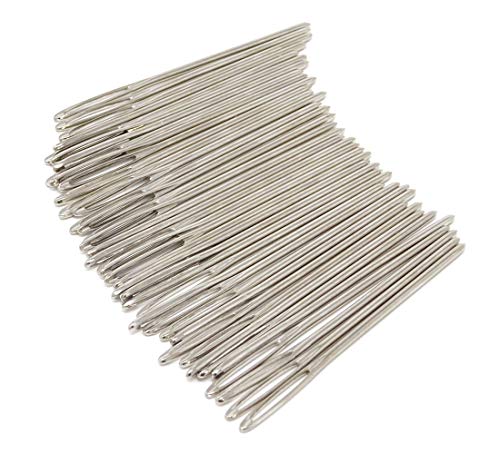
Keep a small pair of blunt-nosed scissors and a plastic tapestry needle in their kit. These are safer than sharp metal tools and are perfect for weaving in ends once the project is finished.
A simple stitch counter or a set of locking stitch markers can also help a child keep track of their progress. Turning the knitting process into a series of small, measurable goals keeps the experience engaging.
Tips for Teaching Children Basic Knitting Skills
Focus on the "knit" stitch first and master it completely before introducing the "purl." The goal is to build muscle memory, and jumping between stitches too early often leads to confusion.
Use the "anchor" method: hold the needle for them or knit the first row to create a stable base. Starting with an empty needle is the hardest part; giving them a finished row to build upon makes the process much more approachable.
Keep sessions short—about 15 to 20 minutes. Knitting is a physically demanding task for small hands, and preventing fatigue is the best way to ensure they want to pick up the needles again tomorrow.
How to Care for Acrylic Yarn Craft Projects
Acrylic is essentially a plastic fiber, which means it is incredibly resilient but can be sensitive to high heat. Always wash these projects on a gentle cycle and use a low-heat setting in the dryer.
If a project becomes fuzzy or starts to pill, a simple fabric shaver can restore it to its original look. This is a great way to teach children how to maintain the things they have worked hard to create.
Avoid ironing acrylic projects directly, as it can melt the fibers and flatten the stitch definition. If blocking is necessary to shape the piece, use a steam iron held an inch above the surface to gently relax the fibers.
Selecting the right yarn is the first step in turning a curious child into a confident maker. By choosing high-quality acrylics that are easy to handle, you provide the foundation for success and minimize unnecessary frustration. Remember that the best yarn is the one that makes the child want to pick up their needles again tomorrow. Happy crafting to you and your young artisan.