6 Best Blocking Mats For Garment Finishing To Use
Improve your knitting projects with these 6 top-rated blocking mats. Discover durable, precise tools essential for achieving professional garment finishing.
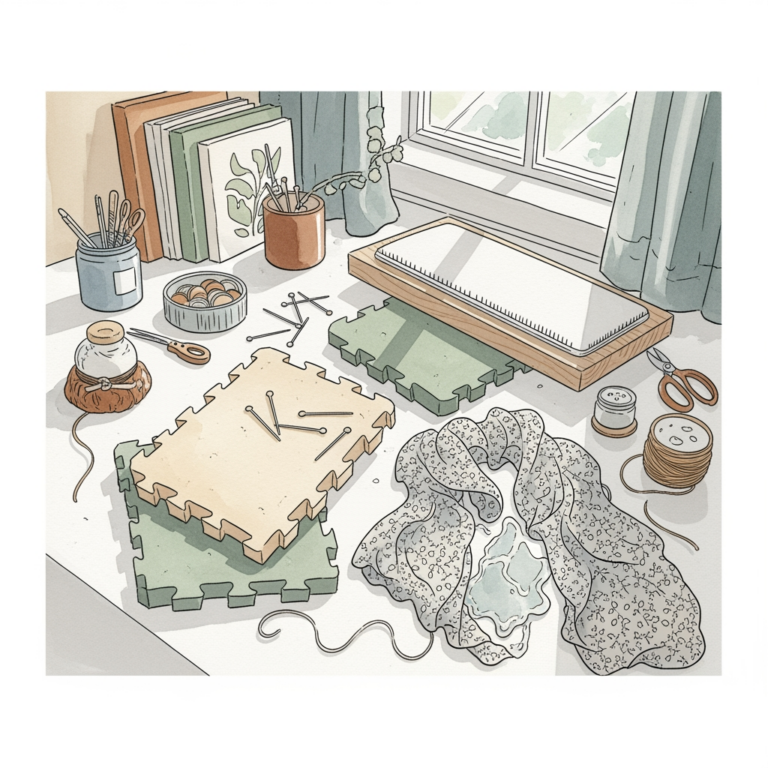
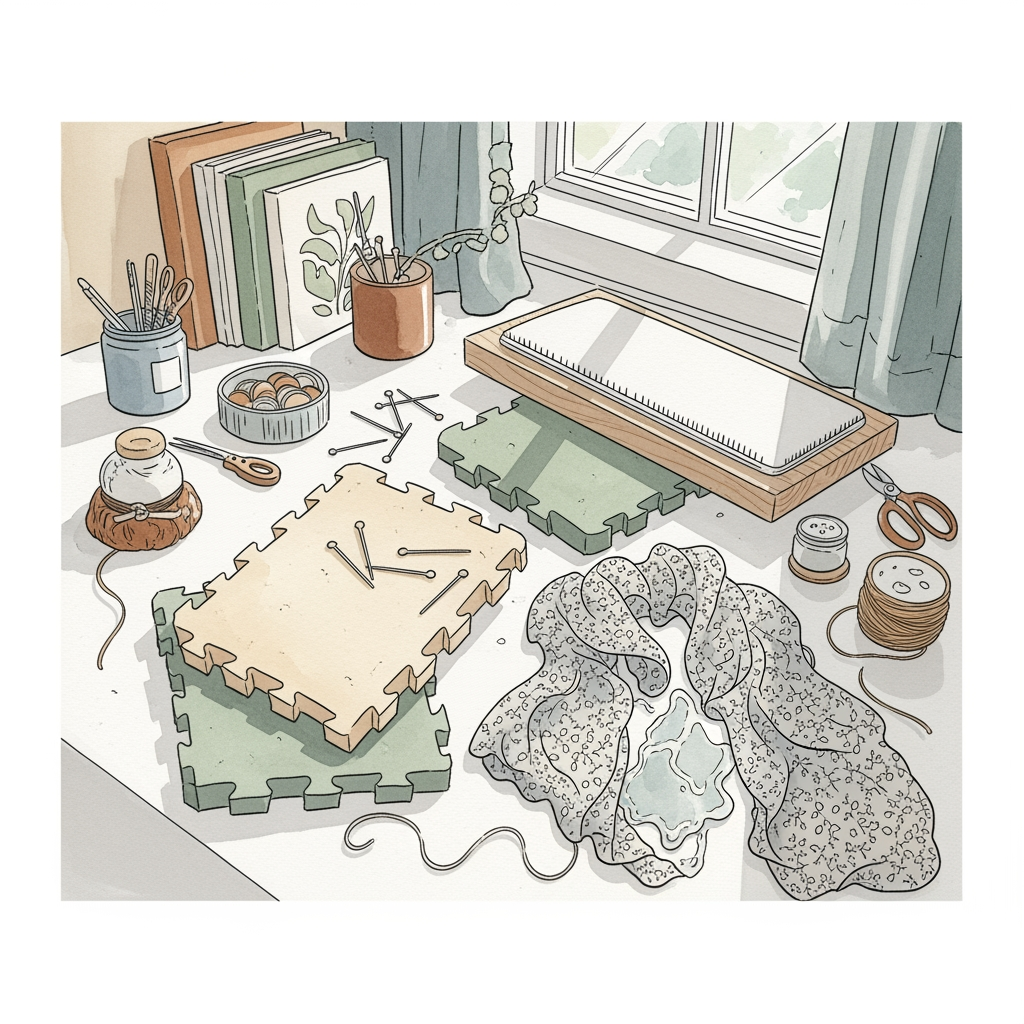
Achieving a professional finish on your hand-knits is the final, transformative step that turns a pile of loops into a wearable garment. While many beginners view blocking as an optional chore, it is actually the secret to evening out tension and defining intricate stitch patterns. Choosing the right surface ensures your pieces maintain their intended dimensions without frustration. Here are the best tools to help you master the art of the perfect block.
Knitter’s Pride KnitIQ Blocking Mats: Best Overall


These mats have become the gold standard in my studio because they are incredibly dense and hold pins with absolute authority. When you are blocking a complex lace shawl or a heavy wool sweater, you need a surface that doesn’t collapse under the tension of the pins.
The thick, high-density foam prevents the "pin-pop" effect where your pins slowly migrate out of the mat as the garment dries. They feature a clear, printed grid that makes squaring up your edges a breeze, which is vital for garments that require precise seaming later.
The bottom line: if you want a reliable, long-lasting surface that can handle years of heavy-duty use, these are the best investment. They are sturdy enough to handle the weight of damp, heavy fibers like cotton or superwash wool without warping.
Susan Bates Knit Chek Blocking Board: Top Pick
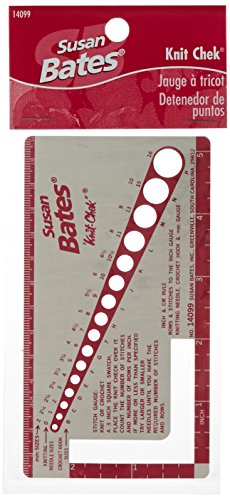
The Susan Bates board is a classic choice for knitters who prefer a rigid, structured surface over modular foam tiles. Its primary advantage is the consistent, non-shifting base that provides a perfectly flat plane for your work.
It is particularly excellent for smaller items like baby garments or delicate lace doilies where surface stability is more important than sheer size. Because it doesn’t flex, you can be certain that your measurements are accurate across the entire width of the piece.
However, keep in mind that this is a fixed-size tool, so it won’t grow with you as your projects get larger. If you primarily work on sweaters or blankets, you might find the surface area limiting compared to modular options.
Boye Interlocking Foam Blocking Mats: Best Value

If you are just starting your knitting journey and need a functional, budget-friendly solution, these interlocking mats are a fantastic entry point. They get the job done without the premium price tag of more specialized brands.
These mats are lightweight and easy to store, which is a major bonus for knitters with limited space. You can connect just a few for a pair of socks or expand them into a massive landscape for a full-length adult cardigan.
The tradeoff here is the density of the foam; it is softer than the professional-grade options, meaning pins might require a little more care to keep them upright. For the price, they offer excellent versatility and are an essential tool for any growing knitter’s kit.
Cocoknits Knitter’s Block Kit: Best for Precision

This system is a game-changer for those of us who obsess over the geometry of our knitting. It includes specialized pins and a unique surface that allows you to measure and block with mathematical accuracy, rather than just "eyeballing" the shape.
The inclusion of magnets and specific measuring tools makes it incredibly easy to ensure that both sleeves of a sweater are blocked to the exact same length. It removes the guesswork that often leads to mismatched garment halves.
While it is a higher-priced investment, the precision it offers is unmatched. If you are knitting high-end garments with expensive, delicate fibers like silk or cashmere, this system provides the control you need to protect your investment.
Clover Blocking Mats with Grid: Best for Beginners
Clover has designed these mats with a very intuitive grid system that helps beginners understand the importance of gauge and shape. The grid lines are clear and easy to read, which helps you see exactly how much you are stretching your fabric.
These mats are soft and flexible, making them very easy to handle and move around, even when they are fully pinned. They are a great choice if you are still learning how much tension to apply to your stitches during the blocking process.
The main consideration is that they are thinner than professional mats, so you should use them on a firm table or hard floor. They are perfect for learning the ropes without overcomplicating your setup.
Lacis Blocking Board Set: Best for Large Projects

When you are tackling a king-sized blanket or a heavy, multi-panel garment, you need a surface that can accommodate the scale. The Lacis boards are designed for exactly these high-volume, large-scale projects.
These boards provide a massive amount of surface area, ensuring that you aren’t constantly pinning and unpinning sections as you work. They are built for stability, allowing you to stretch large pieces of fabric without the board bowing or shifting under the weight.
They are a serious tool for the dedicated crafter who regularly works on large-format items. While they take up more storage space, the efficiency they provide for big projects is well worth the footprint.
Why Blocking Is Essential for Garment Finishing
Blocking is the process of using moisture and heat to set the shape of your knitting, effectively "resetting" the fibers after they’ve been worked. It smooths out uneven stitches, opens up intricate lace, and ensures that your finished garment fits the way the pattern intended.
Without blocking, your knitting often looks "tight" or "scrunchy," especially if you are working with wool that has natural memory. Blocking allows the yarn to bloom, filling in the gaps between stitches and creating a cohesive, professional fabric.
Think of it as the "pressing" stage in sewing; you wouldn’t finish a garment without ironing the seams, and you shouldn’t finish a sweater without blocking it. It is the bridge between a handmade item and a professional-looking garment.
Foam vs. Cork: Choosing Your Ideal Blocking Surface
Foam mats are the industry standard because they are lightweight, water-resistant, and easy to pin into. They are ideal for most knitters because they can be configured to any shape and are forgiving if you accidentally pierce them at an angle.
Cork boards, while aesthetically pleasing and sustainable, can be much harder to pin into and may degrade over time if exposed to constant moisture. They are generally better for light blocking or for those who prefer a more natural, rigid material.
- Foam: Best for versatility, water resistance, and ease of use.
- Cork: Best for a firm, non-slip surface and those who prefer natural materials.
- Consideration: Your choice should depend on how often you block and the weight of the fibers you typically use.
How to Properly Pin Your Garments to Blocking Mats
Start by soaking your garment in lukewarm water with a wool wash for about 20 minutes, then gently squeeze out the excess moisture with a towel. Never wring your knitting, as this can stretch and damage the fibers permanently.
Lay your garment flat on your mat and begin pinning from the center outward, working toward the edges. Use rust-proof T-pins to secure the piece, ensuring that you are pinning through the edge stitches to avoid distorting the fabric’s drape.
Be careful not to over-stretch your work, especially with animal fibers that have high elasticity. You want to guide the garment into its intended dimensions, not force it into a shape it wasn’t designed for.
Maintaining Your Blocking Mats for Long-Term Use
To keep your mats in top shape, always ensure they are completely dry before stacking or storing them. Storing damp mats can lead to mold or mildew, which will ruin both your mats and your future projects.
If you use T-pins frequently, try to vary where you insert them to prevent the foam from becoming overly porous or shredded. A quick wipe-down with a damp cloth after each use will remove any residual dye or fiber dust that might have transferred from your yarn.
Treat your blocking surface as a precision tool, not just a place to store your pins. With proper care, a good set of blocking mats will last for years, providing a consistent foundation for every single project you complete.
Investing in a quality blocking surface is one of the most impactful upgrades you can make to your knitting practice. By providing a stable, measured, and reliable foundation, these tools allow your hard work to truly shine. Whether you choose compact foam or a large-scale board, the result will be a garment that looks and feels professionally finished. Happy knitting, and enjoy the transformation that proper blocking brings to your craft.