6 Best Display Cards For Selling Handmade Notions
Boost your sales with these 6 top display cards for handmade notions. Learn how to choose the right materials and designs to showcase your products effectively.
Selling your handmade notions is a wonderful way to share your craft with the knitting community, but the presentation is just as vital as the quality of the item itself. A well-chosen display card protects your work while instantly signaling your brand’s aesthetic to potential buyers. Over the years, I have seen how the right packaging can transform a simple stitch marker into a must-have accessory. This guide will help you navigate the practical realities of choosing the perfect backing for your creations.
Kraft Paper Hang Tags: Best Eco-Friendly Choice
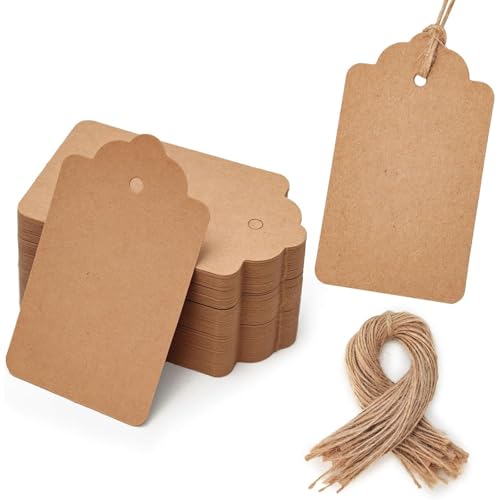

Kraft paper cards offer a rustic, organic aesthetic that pairs beautifully with natural fibers like wool, alpaca, or linen. They communicate a sense of earthiness and sustainability that many modern knitters find deeply appealing.
These tags are typically made from recycled materials, which aligns well with the "slow fashion" movement often found in knitting circles. Because they are porous, they absorb ink beautifully, giving your logo a stamped, artisanal look that feels handmade rather than mass-produced.
However, keep in mind that kraft paper can be fragile. If you are shipping heavy metal notions, you might find the paper tears easily if the hole isn’t reinforced. Always test your hole punch placement to ensure it doesn’t compromise the structural integrity of the tag.
Avery Printable Cards: Best For Custom Branding

For those who want a polished, professional look without the high cost of custom-printed packaging, Avery-style printable cards are a game changer. They allow you to design your layout on a home computer and print small batches as needed.
This flexibility is essential when you are just starting out and your product line is still evolving. You can easily adjust your branding or add specific details—like the size of a needle gauge or the material of a stitch marker—without having to order thousands of pre-printed cards.
The trade-off here is the finish. Most home printers struggle to match the heavy-duty, matte coating found on professional retail cards. If you choose this route, invest in high-quality, heavy-weight cardstock to prevent the cards from feeling flimsy or "cheap" in a customer’s hand.
Darice Jewelry Display Cards: Best For Stitch Markers

If you specialize in stitch markers, you know that the "presentation of the dangle" is everything. Darice-style cards often come with pre-cut slits that are perfectly spaced for jewelry, making them ideal for holding delicate loops or lobster-claw clasps.
These cards are rigid and designed to withstand the wear and tear of being handled at craft fairs or yarn festivals. Unlike thin paper, they won’t bend when a customer picks them up to inspect the quality of your wirework.
The downside is that they are often quite generic in appearance. To make them stand out, consider adding a custom sticker with your logo over the top. This gives you the structural benefit of a professional card while maintaining your unique brand identity.
Clear Plastic Backing Cards: Best For Durability

Clear plastic or acetate cards offer a sleek, modern look that keeps the focus entirely on the product. They are incredibly durable and resistant to the oils and dirt that inevitably transfer from fingers during a busy market day.
These are particularly excellent for notions that might be slightly damp or oily, such as cedar-scented wool wash bars or hand-balms. Because they are non-porous, they won’t absorb residues or stain over time.
Be aware that they can be prone to scratching during transport. If you choose clear plastic, store your finished notions in individual sleeves to keep the displays looking pristine until they reach your customer.
Thick Cardstock Fold-Over Tags: Best For Notions

Fold-over tags are the gold standard for notions that need to be secured firmly, such as cable needles or small crochet hooks. They provide a "booklet" feel, giving you double the surface area to include care instructions or your social media handles.
The physical fold creates a sturdy edge that prevents the card from flopping over when hung on a display rack. It feels substantial, which subconsciously tells the buyer that your product is high-quality and worth the investment.
When using these, ensure you use a heavy-duty stapler or a strong adhesive to secure the bottom. A loose fold-over tag can easily catch on other items, leading to a tangled mess of inventory that frustrates both you and your customers.
Wooden Laser-Cut Displays: Best For Luxury Items

If you are selling high-end, artisan-made notions—like hand-carved wooden shawl pins or silver-plated markers—a paper card simply won’t do them justice. Laser-cut wooden displays elevate your work into a giftable experience.
These displays serve as a permanent home for the notion. Your customers are much more likely to keep a beautiful wooden display piece on their desk than they are to keep a paper card, which keeps your brand name in their workspace long after the purchase.
While these are a higher upfront investment, they allow you to charge a premium price point. They are not suitable for high-volume, low-cost items, but for "hero" products, they are an unmatched marketing tool.
How To Choose The Right Card Stock For Your Brand
Choosing the right stock is about balancing the "hand-feel" with the weight of your product. If your notions are heavy, a thin cardstock will buckle, making your display look messy and unprofessional.
Consider the following factors when selecting your material:
- Weight (GSM): Aim for at least 250-300 GSM for any card that needs to stand upright.
- Texture: Smooth surfaces are best for sharp, clean logos, while textured paper adds a tactile, luxury feel.
- Coating: Matte finishes are easier to write on, while glossy finishes resist smudging.
Always order samples before committing to a bulk purchase. Hold the card in your hand and imagine it sitting on a display hook; if it feels flimsy, go thicker.
Tips For Designing Professional Product Packaging
Keep your design clean and avoid cluttering the card with too much text. Your customer is likely looking at your display from a few feet away, so your logo and the product name should be the most prominent elements.
Use a consistent color palette that reflects your brand’s personality. If you knit with bright, neon-dyed yarns, your packaging should reflect that energy; if you stick to natural, undyed wools, keep your packaging muted and earthy.
Don’t forget to include the essentials:
- Your brand name or logo.
- A website or social media handle.
- A brief descriptor of what the item is (e.g., "Set of 5 Locking Stitch Markers").
Essential Tools For Attaching Notions To Displays
Having the right tools makes the assembly process much faster and more consistent. A reliable hole punch is non-negotiable, and I highly recommend investing in one that allows you to adjust the depth of the punch.
For attaching items, consider these staples:
- Micro-zip ties: Perfect for securing metal notions without damaging them.
- Jewelry wire: Offers a more elegant, permanent attachment for pins or markers.
- Washi tape: Great for temporary or decorative placement, though not ideal for long-term retail.
Always test your attachment method for at least 24 hours. If it sags or slips, it will surely fail once it’s jostled in a customer’s shopping bag.
Common Mistakes To Avoid When Selling Notions
The biggest mistake I see is "over-packaging," where the card is so large that it dwarfs the actual notion. Your display should highlight the item, not hide it; if the card is too big, the customer might miss the detail of your handiwork.
Another common pitfall is using adhesives that leave residue. If a customer buys a beautiful stitch marker and it arrives covered in sticky glue, they will be disappointed regardless of how well it was made.
Finally, never forget to check your spelling and contact info before printing a large batch. A typo on a business card is a missed opportunity for a repeat customer.
Selecting the right display card is an essential step in transitioning from a hobbyist to a professional maker. By matching the durability and aesthetic of your card to the quality of your notions, you create a cohesive and memorable shopping experience. Take the time to test your materials, and remember that your packaging is the first thing a knitter touches before they ever pick up your product. With these tools in hand, your notions are ready to shine on any display rack.