6 Best Portable Document Folders For Travel Knitting
Keep your knitting patterns pristine on the go. We review the 6 best portable folders to protect your charts from creases, spills, and travel wear and tear.
Travel knitting is a delicate dance between portability and precision, especially when your pattern charts are complex. A stray coffee spill or a crumpled page can turn a relaxing flight into a frustrating struggle with lost rows. Finding the right document folder ensures your hard-won progress stays pristine while you navigate terminals and transit. Here are the best solutions to keep your knitting patterns organized and protected on the go.
Cocoknits Maker’s Portfolio: The Premium Choice
The Cocoknits Maker’s Portfolio is designed specifically for the knitter who treats their craft as a serious pursuit. It features a sleek, professional aesthetic that hides a highly functional interior tailored for fiber arts.
This portfolio is an investment, but it solves the problem of carrying loose swatches, notes, and patterns simultaneously. The interior includes magnetic pockets and clear sleeves, making it perfect for holding a pattern while you work on a complex cable or lace project.
The bottom line: If you value a dedicated, all-in-one station for your travel projects, this is the gold standard. It is built to last through years of workshops and retreats.
Muji Polypropylene File: Best Minimalist Option


Muji’s polypropylene files are the unsung heroes of the minimalist knitter’s kit. They are incredibly lightweight, slim, and nearly indestructible, making them ideal for slipping into a crowded project bag.
Because they are translucent, you can often see which project is inside without opening the file. They lack the bells and whistles of dedicated knitting portfolios, but their simplicity is their greatest strength.
The bottom line: Choose this if you prefer a streamlined bag and don’t need extra pockets for notions. It is the perfect size for standard A4 or letter-sized charts.
Mead Zippered Binder: Best for Pattern Security

A zippered binder is the ultimate insurance policy against the hazards of travel knitting. If you have ever lost a stitch marker or a row counter in the depths of your carry-on, the secure enclosure of this binder will be a relief.
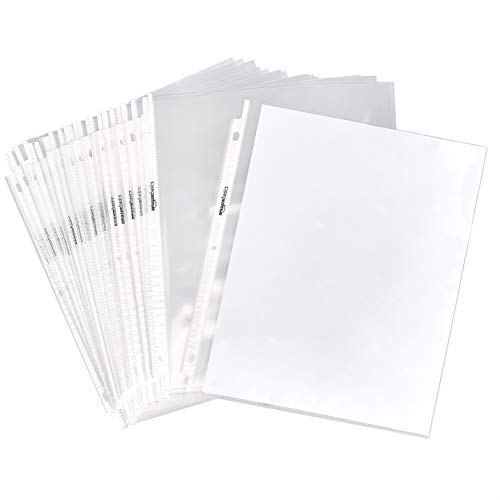
The internal rings allow you to use page protectors, which are essential for marking off rows with a dry-erase marker. This keeps your paper pattern pristine even if you are knitting on a bumpy train or a crowded bus.
The bottom line: If your travel knitting involves multiple pages and small, loose accessories, the security of a zipper is worth the slightly bulkier profile.
Avery Heavy Duty View Binder: Best for Organization

When you are working on a large-scale project, like a multi-color stranded sweater, you often need to reference multiple charts at once. The Avery Heavy Duty binder offers the structural integrity required to keep those charts from bending or tearing.
The "view" cover allows you to slide in a cover sheet so you can identify your current project at a glance. It is a workhorse that can handle the weight of heavy cardstock or laminated pattern pages without failing.
The bottom line: Use this for long-term travel projects where you need to organize massive amounts of documentation. It is not the most portable option, but it is the most robust.
Smead Poly Project Folder: Best Lightweight Pick

Smead poly folders are inexpensive, flexible, and surprisingly resilient. They are perfect for the knitter who wants to keep a single project pattern safe without adding any significant weight to their luggage.
The poly material is moisture-resistant, which is a massive advantage if you are traveling to humid climates or knitting near water. They won’t protect against crushing as well as a hard binder, but they are excellent at preventing dog-eared edges.
The bottom line: For the knitter who values weight savings above all else, these folders are the most practical choice.
Itoya Art Profolio: Best for Large Scale Charts
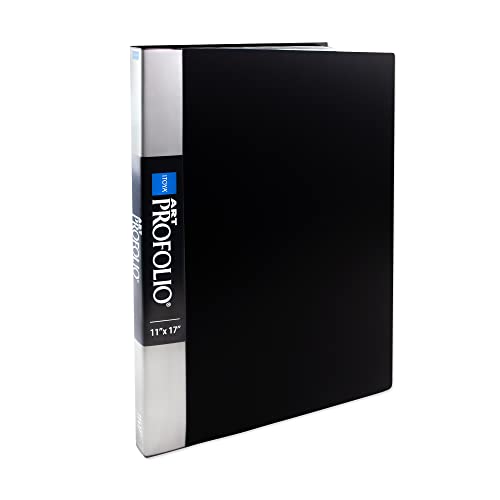
The Itoya Art Profolio is a favorite among artists and designers, and it translates perfectly to the needs of a knitter working with large, intricate charts. The archival-safe sleeves ensure your patterns won’t yellow or degrade over time.
Because these are designed for art, they lay perfectly flat when opened. This is a game-changer when you are trying to read a complex colorwork chart while your knitting is balanced on your lap.
The bottom line: If you are working on lace shawls or complex garments with oversized charts, the Itoya offers the best visibility and protection.
Why Pattern Management Matters for Travel Knitters
Travel disrupts your rhythm, and losing your place in a pattern is the quickest way to end up with a dropped stitch or a misaligned cable. A good folder acts as a "home base" for your project.
When you are away from your home studio, you lose the ability to spread out. Your folder becomes your workspace, your reference manual, and your project tracker all in one.
The bottom line: Good organization reduces cognitive load, allowing you to focus on the meditative aspect of your knitting rather than stress.
Key Features to Look for in a Knitting Folder
When selecting your folder, prioritize durability and ease of access. You want something that can be opened and closed with one hand if you are holding your needles in the other.
- Water resistance: Essential for protecting patterns from spills or rain.
- Transparency: Helps you identify the project without digging.
- Closure mechanism: A snap, elastic band, or zipper prevents pages from sliding out.
- Size compatibility: Ensure it fits your preferred paper size (A4 vs. Letter).
The bottom line: Look for materials that can be wiped clean, as yarn and knitting bags often collect dust and lint.
Protecting Your Charts from Wear and Tear
Paper patterns are fragile, especially when folded and unfolded repeatedly. Using sheet protectors is the single most effective way to keep your pattern readable for the duration of the project.
If you don’t want to use sheet protectors, consider printing your patterns on heavier cardstock. This prevents the paper from becoming limp after being handled with sweaty or oily hands.
The bottom line: Treat your pattern like a reference book; if you protect it early, you won’t have to squint at faded or torn instructions later.
Essential Knitting Notions for Your Travel Kit
Your folder should ideally have a small pocket for the tools that keep your pattern and project in sync. Keeping these items with your pattern ensures you are never caught without them.
- Dry-erase markers: For marking off rows on laminated sheets.
- Highlighters: To track your current section in a chart.
- Sticky notes: For quick reminders or pattern modifications.
- Small ruler: To check gauge on the go.
The bottom line: Keep your notions in the same folder as your pattern to ensure you have everything you need to start knitting the moment you sit down.
Investing in a quality document folder is a small step that pays dividends in project success and peace of mind. Whether you choose a minimalist sleeve or a robust binder, the goal is to protect your work so you can enjoy the process anywhere. By keeping your patterns organized, you ensure that your travel knitting remains a source of joy rather than a source of stress. Happy knitting, wherever your travels take you.