7 Best Thread Organizers For Color Coordination
Keep your sewing space tidy with these 7 top-rated thread organizers. Learn how to master color coordination and streamline your craft projects with ease.
Organizing a thread collection is the silent partner to every successful colorwork project or intricate embroidery detail. Whether you are managing delicate silk threads for lace or sturdy cottons for quilting, having a clear view of your palette prevents the frustration of mid-project color mismatches. The right storage solution transforms a chaotic pile of bobbins into a functional library that inspires your next creative endeavor. Here are the top seven organizers to help you master your stash and keep your colors within arm’s reach.
ArtBin Super Satchel: Best Overall Storage Choice
The ArtBin Super Satchel is the workhorse of the fiber arts world, offering a modular approach to storage that accommodates various spool sizes. Its clear, acid-free construction allows you to scan your entire inventory at a glance without opening a single lid.
For those of us juggling multiple projects, the ability to remove or adjust the internal dividers is a game-changer. You can easily carve out space for larger spools of variegated threads while keeping smaller, solid-colored bobbins neatly sequestered in their own rows.
The primary trade-off here is the footprint; these satchels are designed for stackability, which is excellent for deep shelves but can feel bulky on a compact desk. If you have a dedicated craft room, this is the gold standard for long-term organization.
Sulky Slimline Thread Box for Color Sorting
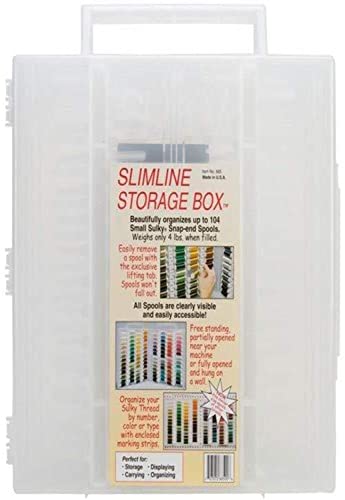

When you are working with a specific color palette for a detailed embroidery piece, the Sulky Slimline box offers a streamlined, flat-profile solution. It is specifically designed to keep spools upright, which prevents thread tangling and keeps your tension consistent.
The "Slimline" feature is particularly useful if you store your threads in a drawer or a narrow bookshelf. Because the box is shallow, you don’t have to dig through layers of spools to find that one specific shade of teal you need to finish your motif.
However, keep in mind that this box is tailored for standard spool sizes. If you frequently use oversized or specialty cones, they simply won’t fit, so check your inventory before committing to this specialized storage.
Creative Options Thread Cabinet: Best for Display
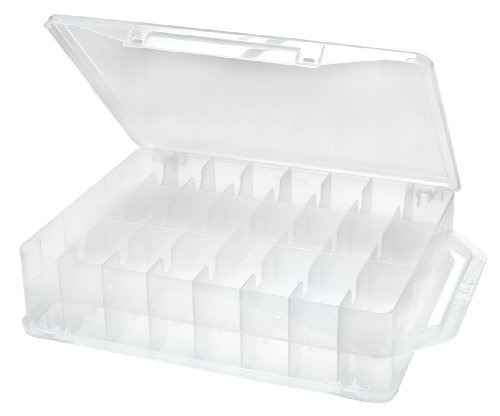
If you view your thread collection as part of your studio’s aesthetic, the Creative Options cabinet is a beautiful way to keep colors visible. It functions like a small apothecary chest, allowing you to categorize threads by color family or weight.
Having your threads on display isn’t just about looks; it’s about accessibility. When you can see every hue in your collection, you are more likely to experiment with color gradients and subtle shifts that you might otherwise overlook if the threads were hidden in a bin.
The downside is that these cabinets are not light-proof, which can lead to color fading if your studio is bathed in direct sunlight. Use this for your active, frequently used threads, but keep your precious vintage silks in a darker, enclosed space.
Simthread 60-Spool Rack for Easy Color Access

A wall-mounted rack is the most efficient way to manage a large collection of embroidery or sewing threads. The Simthread 60-spool rack keeps every single color visible and ready for immediate use, which is essential for projects requiring frequent color changes.
The beauty of a rack lies in the speed of selection. When you are deep into a project and need to audition three different shades of blue, you can simply pull the spools and hold them against your fabric to see how they interact with the light.
Be aware that dust is the enemy of an open rack. If you live in a dusty environment or have pets, you will need to occasionally blow the dust off your spools to ensure that debris doesn’t get pulled into your machine or embroidery hoop.
Iris USA Plastic Storage Case for Small Spools

For those who collect smaller bobbins or specialty metallic threads, the Iris USA case provides a secure, snap-shut environment. The tight seal is a major benefit if you are worried about humidity affecting your natural fiber threads.
These cases are highly portable, making them a great choice if you often take your projects to knitting circles or workshops. They are rugged enough to survive being tossed into a gear bag, yet clear enough to let you see if you are running low on a specific color.
The main limitation is the lack of internal flexibility compared to the ArtBin models. These are best used for grouping specific sets—like a metallic collection or a set of silk bobbins—rather than as a primary storage system for your entire stash.
Embroidex Thread Rack for Wall Mount Efficiency

The Embroidex rack is a classic for a reason: it utilizes vertical space that would otherwise go to waste. For the knitter or embroiderer with limited table space, mounting your thread collection on the wall clears your workspace for larger projects like blocking shawls.
One often overlooked benefit of this rack is the ability to organize by gradient. By arranging your threads from light to dark, you can easily identify where you have gaps in your color range, which helps prevent unnecessary duplicate purchases.
Just ensure you mount this securely to a wall stud. A rack loaded with 60 full spools of thread is heavier than it looks, and you don’t want a sudden spill to result in a tangled mess of thread tails.
Madeira Aerofil Thread Chest for Large Projects

The Madeira Aerofil chest is a premium, furniture-grade solution for the dedicated maker. These chests are often built with drawers that glide smoothly, providing a tactile experience that makes organizing feel less like a chore and more like a ritual.
This is the ideal choice if you want to protect your threads from light, dust, and temperature fluctuations. The enclosed drawer system is perfect for preserving the integrity of high-quality, long-staple cotton or silk threads over many years.
These chests are an investment, both in terms of cost and physical space. Only opt for this if you have a stable, long-term studio setup, as they are not designed for travel or frequent reorganization.
Key Factors for Choosing Your Thread Organizers
- Spool Compatibility: Check the diameter of your most-used spools; nothing is more frustrating than a rack that won’t fit your favorite brand of thread.
- Environmental Protection: If you live in a humid climate, opt for sealed plastic cases over open racks to prevent mildew.
- Visibility vs. Protection: Decide if you value seeing your colors at all times (open racks) or keeping them pristine and away from light (chests/bins).
- Expansion Potential: Always buy a system that allows for growth; your collection will inevitably expand as you find new color inspiration.
Sorting Strategies for Optimal Color Coordination
The most effective way to organize is by color family, not by brand or weight. Start by grouping your threads into the primary colors, then sub-categorize into shades, tints, and tones.
If you struggle to differentiate between similar shades, place them against a white background under natural daylight. This reveals the true undertones—whether a blue is leaning toward green or violet—which is crucial when you are trying to match a thread to a specific yarn or fabric.
Don’t be afraid to keep a "project bin" separate from your main stash. If you are working on a specific piece, pull the necessary colors into a smaller, temporary container to keep your focus clear and your main collection tidy.
Maintenance Tips for Long Term Thread Preservation
Threads, especially natural fibers like cotton or silk, can become brittle if exposed to extreme light or heat. Always store your organizers in a cool, dark place away from windows or heating vents.
Avoid the temptation to store your threads in the basement or garage. These environments are prone to temperature swings that can cause natural fibers to expand and contract, potentially weakening the thread and leading to breakage during your project.
Finally, keep your thread ends secured. Use small elastic bands or the built-in slots on your organizer to prevent the ends from unraveling, which keeps your storage system from turning into a chaotic "bird’s nest" of tangled fibers.
Organizing your thread collection is not just about tidiness; it is about creating a workflow that respects your time and your materials. By choosing the right storage solution, you protect your investment and ensure that your creative process remains fluid and uninterrupted. Take the time to sort your colors thoughtfully, and you will find that your next project comes together with much greater ease. Happy making, and may your stash always be as vibrant as your imagination.