

6 Best Carriage Waxes For Friction Reduction Tested
We tested six leading carriage waxes to determine their friction-reducing capabilities. Discover which formulas offer the best protection and glide for you.
Every machine knitter knows that sickening, grinding sound of a carriage hesitating mid-row. Friction is the silent killer of gauge consistency and the primary enemy of your machine’s delicate needle bed. Proper lubrication isn’t just about maintenance; it is the difference between a smooth, rhythmic workflow and a frustrating afternoon of dropped stitches. Here are the top six solutions I’ve vetted to keep your carriage gliding effortlessly.
Singer Machine Oil: Best All-Purpose Lubricant
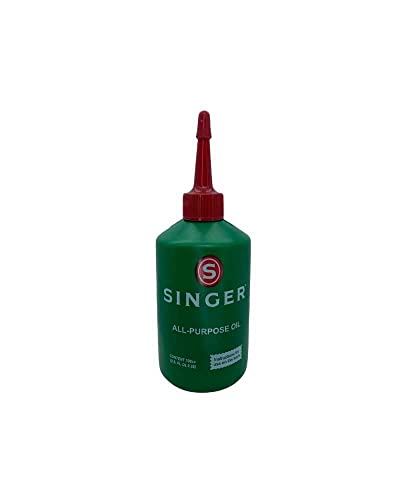

Singer oil is the classic, go-to solution for any knitter who keeps a vintage machine running. Its thin viscosity allows it to penetrate deep into the needle channels without leaving behind a gummy residue that attracts dust.
While many knitters reach for spray lubricants, I always suggest a precision oiler for this product. By applying a single drop to the needle tracks, you ensure the metal-on-metal contact points stay protected without saturating the surrounding plastic components.
The tradeoff here is frequency; because it is a lighter oil, you will need to reapply it more often than a heavy-duty grease. If you are working on a long project like a full-length sweater, make it a habit to oil your machine every few thousand stitches.
Brother Knitting Machine Wax: The Gold Standard

If you own a Brother machine, you likely know the distinct, clean scent of their proprietary paraffin wax. It is specifically formulated to leave a microscopic film on the needle bed that reduces drag without staining your fiber.
This wax is particularly excellent when working with high-friction yarns like mohair or sticky wool blends. The wax acts as a barrier, allowing the needles to slide through the yarn loops without snagging or causing the carriage to catch.
Do not be tempted to use generic candle wax as a substitute. Most household candles contain additives or scents that can degrade the plastic parts of your machine or leave a tacky, dirt-collecting film on your needles.
Silver Reed Paraffin Wax: Best for Metal Beds

Silver Reed machines often feature precision-engineered metal beds that respond beautifully to a firm, high-quality wax. This product provides a "dry" lubrication that is ideal for high-speed knitting where you don’t want any liquid oil migrating onto your yarn.
I find this wax particularly useful when I am doing extensive tuck stitch or slip stitch patterns. These patterns create significant tension on the needles, and a light coat of this wax keeps the movement fluid and rhythmic.
The key is to apply it sparingly to the needle beds and the underside of the carriage. Over-application can actually create a buildup that slows the carriage down, so a light touch is always better than a heavy hand.
Passap Wax Sticks: Best for Precision Carriages

Passap machines are famous for their complexity and their tight, precise tolerances. Their specific wax sticks are designed to be firm and long-lasting, providing just enough slip to keep the intricate pusher systems moving in perfect harmony.
Because Passap machines often involve complex double-bed work, the friction load is significantly higher than on a standard flatbed. This wax ensures that the carriage doesn’t "stutter" during the intensive needle selection process required for jacquard or punchcard patterns.
If you are a beginner on a Passap, remember that this wax is a tool for smooth operation, not a cure for mechanical misalignment. Always ensure your machine is level and clean before applying any lubricant to the bed.
Beeseal Natural Wax: Best Eco-Friendly Option
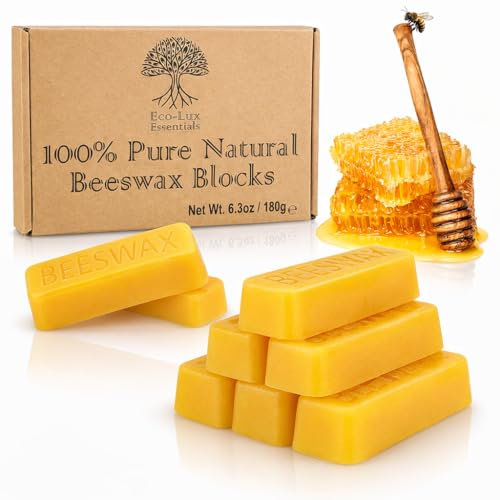
For those who prefer to keep their studio free of synthetic chemicals, Beeseal is a fantastic, non-toxic alternative. It uses natural beeswax and oils to provide a smooth, protective layer on the needle bed.
I recommend this for knitters who suffer from sensitivities to the chemical smells of standard machine lubricants. It works surprisingly well on most standard gauge machines, providing a natural glide that feels very similar to traditional paraffin.
Be aware that natural waxes can be slightly more temperature-sensitive than synthetic ones. In a very cold studio, the wax may harden, while in a sweltering summer room, it might soften, so keep your application consistent with the ambient temperature.
Tri-Flow Synthetic Grease: Best for Heavy Duty

Sometimes, a machine has been sitting for years and the internal mechanisms are truly stiff. Tri-Flow synthetic grease is the heavy-duty choice for deep cleaning and lubricating the internal cams and levers of a carriage.
You should only use this on the internal mechanical parts, never on the needle bed itself where the yarn passes. Its long-lasting formula is perfect for those "once-a-year" deep maintenance sessions where you strip the carriage down to its shell.
Use this sparingly; a little goes a long way. Because it is a thicker grease, it stays in place much better than oil, making it the superior choice for high-wear internal gears that require constant protection.
Why Carriage Wax is Vital for Machine Longevity
Friction is the enemy of every moving part in your knitting machine. When a carriage moves across a dry bed, the plastic and metal components wear down microscopically, eventually leading to loose stitches and uneven tension.
By maintaining a thin layer of wax, you are essentially creating a buffer between your machine and your yarn. This not only protects the machine but also ensures that your yarn travels through the needles with uniform tension, which is the secret to a professional-looking finished fabric.
Without regular lubrication, you will find that your carriage requires more physical force to move. This extra strain is transferred directly to your shoulders and wrists, leading to fatigue and, eventually, a less enjoyable knitting experience.
How to Properly Apply Wax to Your Needle Bed
The best way to apply wax is to run the stick lightly along the needle bed, focusing on the tracks where the needle butts slide. You don’t need a thick layer; a faint, white streak is more than enough to do the job.
After applying the wax, run your carriage back and forth across the bed several times without any yarn loaded. This distributes the wax evenly across the entire surface and ensures that every needle butt receives a light coating.
If you are using a new machine or one that has been in storage, clean the bed thoroughly with rubbing alcohol before applying fresh wax. Adding new wax over old, dirty residue will only create a gritty paste that increases friction rather than reducing it.
Signs Your Knitting Machine Needs Lubrication
The most obvious sign is a change in the resistance you feel when moving the carriage. If you find yourself pushing harder than usual, or if you hear a "chirping" or grinding sound, it is time to stop and lubricate.
Keep an eye on your stitch quality as well. If you notice dropped stitches or inconsistent loop sizes, it could be because the needles are struggling to move freely in their channels due to lack of lubrication.
Finally, look at the needles themselves. If they look dull, grey, or have small bits of fiber buildup on the butts, your machine is begging for a cleaning and a fresh coat of wax to keep the movement smooth.
Common Mistakes When Maintaining Your Carriage
The biggest mistake I see is over-lubrication, which attracts dust and lint like a magnet. A "gunked up" machine is actually worse than a dry one, as the mixture of dust and oil creates an abrasive paste that wears down your machine parts.
Another frequent error is using the wrong product for the job, such as WD-40. WD-40 is a solvent, not a lubricant, and it will strip away the necessary oils and eventually leave your carriage mechanisms dry and vulnerable to rust.
Always remember that maintenance is a routine, not a repair. If your machine is already broken or skipping stitches, wax won’t fix it; clean it, inspect it, and ensure your needle timing is correct before relying on lubrication to smooth out the process.
Maintaining your knitting machine is a meditative process that connects you more deeply to your craft. By selecting the right wax for your specific machine and applying it with care, you ensure that your equipment remains a reliable partner for years of creative projects. Treat your machine with respect, keep it clean, and it will reward you with perfect, consistent stitches every time you cast on.

