6 Best Knitting Needles For Bulky Sweaters To Try
Find the best needles for bulky sweaters. We review six top picks that ensure smooth stitches, comfort, and durability for your next chunky knit project.
Knitting with bulky yarn is a transformative experience that turns hours of work into a finished garment in record time. However, the wrong set of needles can turn a cozy project into a grueling workout for your hands and wrists. Selecting the right tool is about balancing the weight of the yarn with the ergonomics of your grip. These six needle recommendations will help you navigate the bulky landscape with ease and precision.
ChiaoGoo Red Lace Circulars: Best for Precision
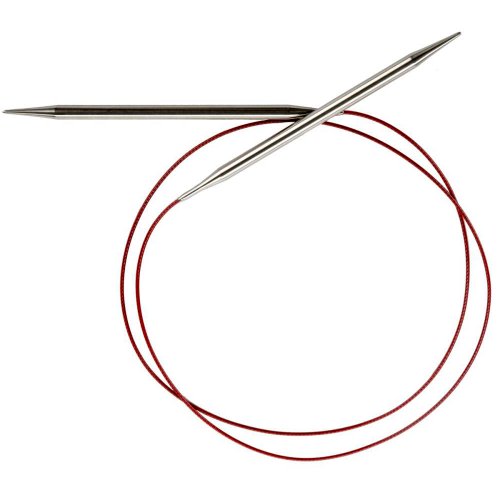

When you are working with a complex cable pattern in a bulky wool blend, you need a needle that won’t fight your stitch definition. The ChiaoGoo Red Lace series features a signature tapered tip that is sharp enough to manipulate multiple loops without splitting the yarn.
The surgical-grade stainless steel provides a smooth surface that allows heavy yarn to glide effortlessly. Because bulky yarn can sometimes be sticky, this slick finish is a massive advantage for maintaining consistent tension across large swaths of fabric.
Be aware that these tips are quite sharp; if you have a habit of pushing the needle tip with your index finger, you might find them a bit aggressive. If you prioritize stitch clarity over everything else, these are the gold standard for your bulky sweater inventory.
Addi Rocket Squared Needles: Best for Comfort

The Rocket Squared needles feature a unique ergonomic shape that helps reduce hand fatigue during long knitting sessions. The square profile provides flat surfaces for your fingers to rest against, which can alleviate the strain often caused by gripping round needles tightly.
These needles are particularly helpful if you suffer from arthritis or general hand cramping when working with heavy, dense projects. The surface is slick, ensuring that your stitches move quickly, while the squared edges offer a subtle tactile grip that helps keep your tension even.
While the transition to square needles can feel strange for the first few rows, most knitters find the adjustment period is incredibly short. If you struggle with hand pain while knitting, these are a non-negotiable addition to your toolkit.
Lykke Driftwood Circulars: Best for Smooth Grip
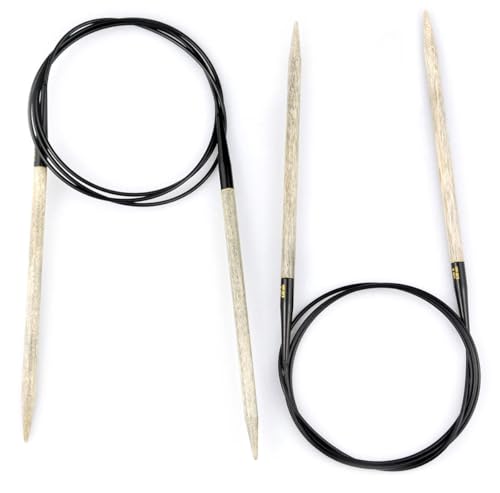
Lykke Driftwood needles are crafted from strong birch wood and finished with a beautiful, smooth gray wash. They offer just the right amount of "grab" to prevent slippery wool or alpaca yarns from sliding off your needles unintentionally.
Unlike plastic or metal needles, the wood surface has a slight natural texture that acts as a stabilizer for the yarn. This makes them an excellent choice for knitters who find that metal needles cause their stitches to move too fast, leading to dropped loops.
Keep in mind that wooden needles can be more fragile than metal, especially in smaller sizes, though they are quite durable in the bulky range. They provide a warm, quiet knitting experience that feels incredibly tactile and grounded.
Knitter’s Pride Mindful Collection: Best Value
The Mindful Collection offers a fantastic balance between quality and affordability, making them a great choice for stocking up on larger sizes. These stainless steel needles feature a smooth finish and a taper that sits comfortably between "blunt" and "sharp."
What sets this collection apart is the attention to detail, including inspirational markings on the needles and high-quality, tangle-free cords. They perform consistently well across a variety of fiber types, from rustic wool to synthetic blends.
If you are looking to build a versatile collection for bulky sweaters without breaking the bank, this is your best starting point. They are reliable, durable, and offer a professional feel that satisfies even the most experienced makers.
HiyaHiya Sharp Steel Needles: Best for Speed

HiyaHiya Sharp needles are the go-to choice for knitters who want to maximize their speed without sacrificing stitch control. The tips are exceptionally tapered, allowing you to pick up stitches and work through intricate bulky patterns with lightning efficiency.

The stainless steel construction is lightweight, which is a major benefit when you are maneuvering a heavy sweater’s worth of yarn. A heavy needle combined with a heavy project can lead to wrist strain, but these steel needles keep the overall weight of your project manageable.
Because they are so sharp, they are ideal for working with bulky mohair or fuzzy blends where you need to navigate through dense fibers. If you are a fast knitter who feels held back by your current tools, these will provide the necessary glide.
Clover Takumi Bamboo Needles: Best for Beginners

Clover Takumi bamboo needles are iconic for a reason: they are lightweight, affordable, and incredibly forgiving. The natural bamboo surface provides a gentle grip that helps keep your stitches from sliding around while you are still mastering your tension.
For a beginner tackling their first bulky sweater, the last thing you want is a needle that is too slick, which can lead to dropped stitches and frustration. Bamboo is inherently "grippy," which acts as a training wheel for your fingers as you learn to control your yarn.
While they may not offer the speed of stainless steel, they offer a level of stability that is unmatched for learners. Once you gain confidence, you can transition to slicker materials, but you will likely keep your Takumi needles around for years to come.
Why Material Choice Matters for Bulky Projects
The material of your needle changes the physics of your knitting. Metal needles are inherently faster and slicker, making them ideal for heavy, dense wools that require extra help moving across the needle.
Wooden or bamboo needles, by contrast, create a bit of friction. This is a huge advantage if you are working with slippery fibers like superwash wool or high-content acrylics that tend to slide off the needle ends.
- Metal: Best for speed, heavy-duty projects, and sticky fibers.
- Wood/Bamboo: Best for control, slippery yarns, and long-term comfort.
- Square/Ergonomic: Best for knitters prone to hand fatigue or cramping.
Understanding Needle Sizing for Heavy Yarns
Bulky yarn is often categorized by its weight, but the "suggested needle size" on the label is only a starting point. Your personal tension—whether you are a "tight" or "loose" knitter—will dictate whether you need to go up or down a size to achieve the correct gauge.
If you are knitting a sweater and the fabric feels stiff and board-like, your needles are likely too small for your tension. Conversely, if the fabric looks like a loose, holey net, you need to size down to tighten up the stitch structure.
Always knit a gauge swatch before committing to a full sweater. A bulky sweater requires a lot of yarn, and you don’t want to realize ten inches in that the fabric is too dense or too loose to be wearable.
How to Prevent Hand Fatigue With Large Needles
Knitting with bulky yarn means moving more fiber with every single stitch. This physical load can tax your hands quickly, especially if you are using heavy, long circular needles that drag on your wrists.
To combat this, try to keep your knitting close to your body rather than letting the weight of the project pull down on your needles. Taking frequent, short breaks to stretch your fingers and wrists is also essential for preventing repetitive strain.
Consider using shorter needle tips if you are working on a circular project like a sweater body. This reduces the leverage on your wrists and makes the act of knitting feel much more compact and controlled.
Essential Tips for Knitting With Bulky Weights
When working with bulky yarn, the join between your needle and the cable is a common point of frustration. Look for needles with a smooth connection to ensure the yarn doesn’t snag as you move stitches from the cable to the tip.
Additionally, pay attention to the cord flexibility. A stiff, memory-prone cord can make it difficult to manage a bulky sweater, as the weight of the fabric will fight against the cord’s shape.
- Check the join: Ensure the transition from cable to needle is seamless.
- Test the cord: Use a flexible, swivel-style cable if possible to avoid twisting.
- Watch your tension: Bulky yarn shows every mistake, so keep an eye on your consistency.
Choosing the right needle for your bulky project is a balance of comfort, speed, and the specific requirements of your yarn. By matching your tool to your personal knitting style and the fiber at hand, you turn a chore into a seamless creative process. Don’t be afraid to experiment with different materials until you find the perfect match for your hands. Happy knitting, and enjoy the cozy results of your hard work.