6 Best Winding Spindles For Delicate Fiber Blends
Mastering delicate fibers requires precision. We evaluate six top spindles designed to prevent breakage, ensuring smooth, consistent spinning for fine wools.
Spinning delicate fiber blends requires a tool that respects the fragility of luxury fibers like silk, angora, or high-micron merino. When you are drafting gossamer-thin singles, the wrong spindle can cause uneven tension or unwanted breakage. Choosing the right instrument transforms the spinning process from a frustrating battle into a meditative, rhythmic craft. These six spindles are the gold standard for those who prioritize fiber integrity above all else.
Schacht Hi-Lo Spindle: Best for Fine Fibers


The Schacht Hi-Lo is the workhorse of the fine-spinning community, primarily because of its unique brass whorl design. By placing the weight on the outer edge, it creates a high-inertia spin that keeps your yarn moving steadily even when you are drafting very thin, airy fibers.
This design is particularly effective for those spinning lace-weight singles that require a high twist per inch. Because the weight is distributed toward the rim, the spindle continues to rotate long after you have flicked it, giving your hands plenty of time to draft without the yarn losing its twist.
The trade-off here is the overall weight of the brass whorl, which can be taxing if you are used to lighter wooden spindles. If you find your wrist fatiguing, try using it as a supported spindle rather than a suspended one. It is a reliable, durable tool that rarely disappoints when you need consistent momentum.
Jenkins Turkish Spindle: Best for Portability
Jenkins spindles are legendary for their craftsmanship and the way they break down into three simple pieces. If you are a knitter who likes to spin on the go—perhaps during a commute or while waiting at a child’s sports practice—this is your best companion.
The cross-arm design allows you to wind your finished yarn directly into a center-pull ball. This is a massive advantage for delicate fibers, as you avoid the stress of winding the yarn onto a niddy-noddy later, which often stretches or snaps fragile blends.
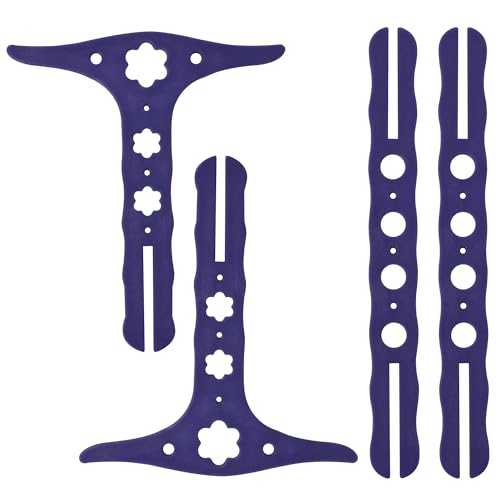
Because these spindles are so lightweight, they are ideal for spinning short-staple fibers like cashmere or camel down. However, they lack the heavy momentum of a brass-whorled spindle, meaning you must be more active in your spinning rhythm. They are delicate tools that require a gentle hand to prevent the arms from snagging your fiber.
Snyder Turkish Spindle: Best for Consistency
Snyder spindles are prized for their exceptional balance and precision engineering. When you are spinning a luxury blend like silk and mohair, you need a spindle that doesn’t wobble, as even a slight vibration can cause uneven drafting or broken threads.

The beauty of the Snyder is in its center of gravity, which remains perfectly stable throughout the entire spinning process. This consistency allows you to focus entirely on your fiber supply rather than worrying about the spindle’s behavior.
While they are an investment, they are worth every penny for the serious spinner. They are not necessarily "beginner" tools, as their sensitivity can be unforgiving if your drafting technique is jerky. If you want a spindle that acts as a perfect extension of your hand, this is the one.
Bosworth Mid-Weight Spindle: Best for Balance
Bosworth spindles are famous for their "long sleep," a term spinners use to describe how long the spindle continues to rotate. This incredible balance is achieved through meticulous wood selection and hand-finishing, making them a joy to use for hours on end.

The mid-weight option sits in the "Goldilocks" zone for most delicate blends. It is heavy enough to provide the necessary pull for drafting but light enough that it won’t pull apart fibers that lack tensile strength, such as angora.
The main consideration with a Bosworth is the sheer beauty and quality of the wood, which can make them feel intimidating to use. Do not let the craftsmanship stop you; these tools are meant to be used. They are durable, balanced, and arguably the most ergonomic spindles on the market.
IST Crafts Russian Spindle: Best for Control
Russian spindles, or spindle-on-a-stick tools, offer a level of control that suspended spindles simply cannot match. Because the spindle is supported by a bowl or your thigh, you can adjust the speed of the rotation with surgical precision.
This is the ultimate tool for spinning lace-weight silk or very fine, slippery synthetic blends. You can stop the rotation instantly to fix a thin spot or add more twist to a section that feels under-spun, which is essential for maintaining a uniform gauge for your knitting.
The learning curve is steeper here, as you must master the art of the "flick" while keeping the spindle stable. Once you get the hang of it, however, you will find that your yarn is much more even. It is the preferred choice for spinners who treat their yarn like a fine art project.
Golding Student Spindle: Best for Beginners
If you are new to spinning and worried about damaging expensive fiber, the Golding Student Spindle is a safe, high-quality starting point. It is designed to be forgiving, with enough weight to keep spinning even if your drafting technique is inconsistent.
Many beginners make the mistake of buying a cheap, poorly balanced spindle, which makes learning significantly harder. Investing in a Golding ensures that the tool is not the reason you are struggling. It allows you to focus on the mechanics of drafting rather than fighting the physics of the spindle.
As you advance, you may find yourself moving toward lighter or more specialized spindles, but the Golding will always have a place in your kit. It is a reliable, steady tool that handles a variety of fiber types with grace. It is the perfect bridge between learning the basics and mastering complex blends.
Understanding Whorl Weight and Fiber Integrity
The weight of the whorl—the circular part of the spindle—is the most critical factor in protecting your fiber. A whorl that is too heavy will act like a weight, pulling on your singles and snapping them before you have a chance to add enough twist.
For delicate fibers, always aim for a lighter whorl. If you are spinning fine silk or angora, you need a spindle that responds to your touch without dragging. Consider these guidelines:
- Under 20 grams: Best for lace-weight, delicate, or short-staple fibers.
- 20-40 grams: Ideal for general-purpose spinning and medium-weight yarns.
- Over 40 grams: Reserved for thick, sturdy wools that require significant drafting force.
Balancing Your Spindle for Delicate Singles
A spindle that wobbles is the enemy of a smooth, even single. When a spindle is out of balance, it creates "surges" in the twist, which lead to thick and thin spots in your yarn. This is particularly disastrous for delicate blends that are already prone to breaking.
To check your spindle’s balance, give it a gentle spin on a flat surface. If it dances or jumps, it is unbalanced. You can sometimes correct this by adding a small piece of tape or a bit of beeswax to the lighter side of the whorl.
However, for high-end spindles, balance should be inherent. If you are spinning a very fine blend, ensure your spindle is perfectly centered, as even a minor imbalance will be magnified in the final yarn. A steady spin is the foundation of a strong, beautiful single.
Essential Tips for Spinning Fragile Blends
When working with fragile fibers, your drafting technique is just as important as your tool. Use a "long draw" technique if the fiber allows, as this minimizes the amount of handling the fiber receives.
Always keep your fiber supply well-organized. If your fiber is constantly snagging or tangling, you will be tempted to pull harder, which is the fastest way to break a delicate single. Here are a few tips for success:
- Use a distaff: Keeping your fiber off your lap prevents it from picking up dust and tangling.
- Draft lightly: Let the twist do the work of pulling the fibers into the yarn.
- Control the twist: Keep the twist out of your drafting zone to prevent premature locking of the fibers.
How to Maintain Your Spindle for Longevity
Most high-quality spindles are made of wood and require minimal but consistent care. Avoid leaving them in direct sunlight or areas with extreme humidity, as this can cause the wood to warp or the whorl to lose its perfect balance.
If your wooden spindle starts to look dry, a tiny amount of wood wax or mineral oil can restore its luster. Be careful not to over-oil, as you do not want any residue transferring to your delicate fibers.

Finally, handle your spindle with care. A dropped spindle can easily chip or crack, especially if it has a delicate brass fitting or thin wooden arms. Store them in a dedicated padded bag to ensure they remain in peak condition for years of spinning.
Spinning delicate fibers is a rewarding journey that demands patience, practice, and the right equipment. By choosing a spindle that complements your unique drafting style and the specific needs of your fiber, you set yourself up for success. Remember that every spinner develops their own preferences over time, so don’t be afraid to experiment with different weights and styles. Your hands will eventually learn exactly which tool feels like an extension of your own creativity.