6 Best Tightening Keys For Interchangeable Systems
Discover the top 6 tightening keys for interchangeable systems. Learn how these essential tools ensure precision, efficiency, and safety in your assembly.
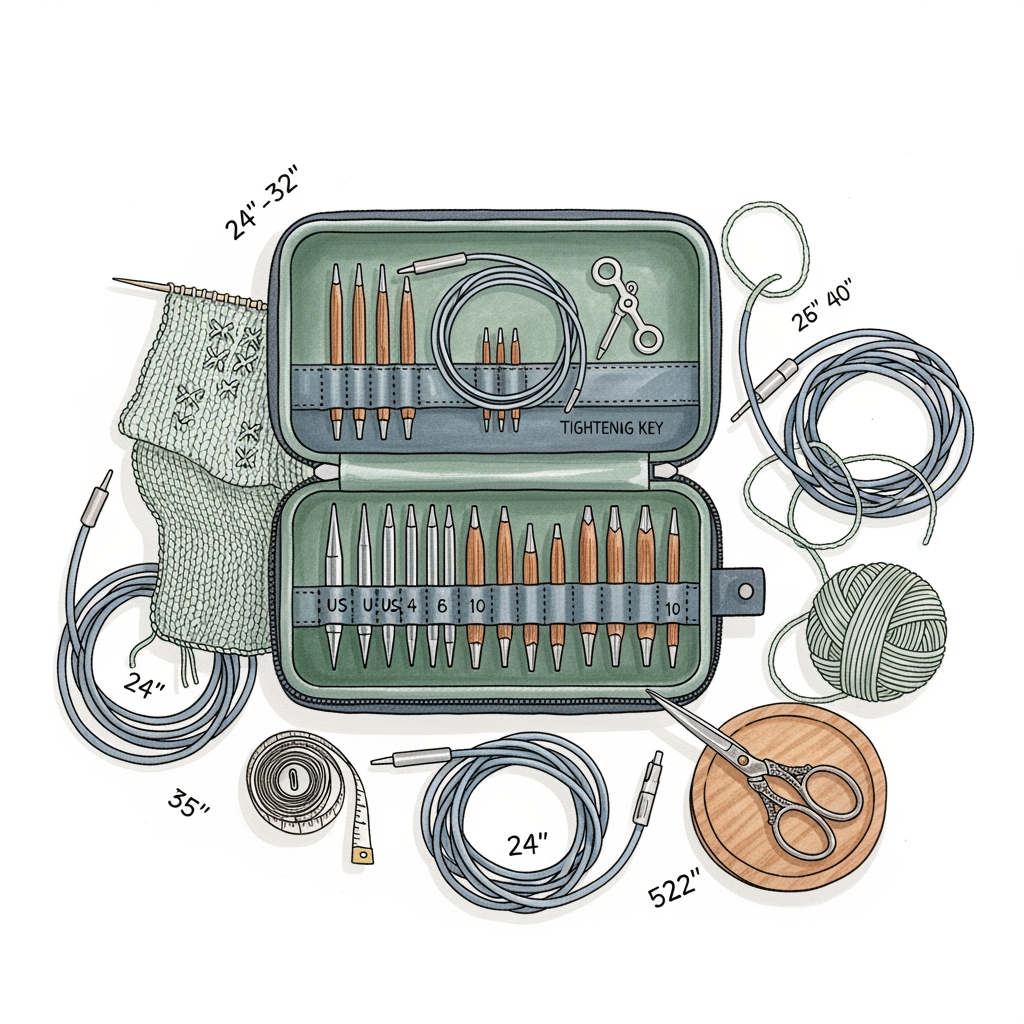
Every knitter knows the frustration of a needle tip unscrewing mid-row, turning a meditative session into a frantic rescue mission for dropped stitches. Interchangeable systems offer incredible versatility, but their integrity relies entirely on a secure, mechanical connection between the cable and the metal join. Mastering the humble tightening key is the difference between a seamless knitting experience and constant, project-halting maintenance. Here is your guide to the best tools for keeping your needles exactly where they belong.
ChiaoGoo Stainless Steel T-Pin Tightening Key


The ChiaoGoo T-pin is arguably the gold standard in the knitting world for its ergonomic design and sheer reliability. Unlike straight keys, the "T" shape provides a natural handle that allows you to exert leverage without digging the metal into your fingertips.

When you are working with lace-weight yarn or slippery silk blends, you need that extra bit of torque to ensure the cable doesn’t rotate. The stainless steel construction is incredibly durable, meaning it won’t bend or snap even if you frequently over-tighten your joins.
If you own a ChiaoGoo set, keep these keys in your project bag at all times. They are small, but they are the only tool designed specifically to handle the high-tension threading of the ChiaoGoo system.
Addi Turbo Interchangeable Needle Tightening Key
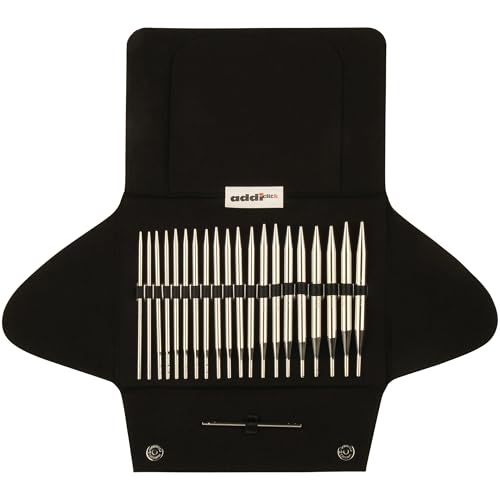
Addi uses a unique "click-in" system that feels entirely different from the standard screw-on mechanisms found in other brands. Because of this, their proprietary tightening tool is essential; you simply cannot use a standard T-pin to secure an Addi join.
The design is minimalist, often resembling a small, flat metal piece that acts as a lever for the spring-loaded mechanism. It is incredibly fast to use, which is a blessing when you are switching between circular sizes for a complex garment like a top-down sweater.
The trade-off here is the size of the tool, which is quite small and easy to lose in a yarn bowl. My advice is to tether it to your needle case with a bit of scrap yarn so you aren’t left searching when you need a quick swap.
Lykke Driftwood Needle Set Tightening Tool

Lykke needles are beloved for their warm, smooth birch finish, but their interchangeable system requires a gentle touch. The tightening tool provided with these sets is a simple, effective metal pin that fits perfectly into the small hole on the needle join.
Because wood is softer than metal, you have to be careful not to over-tighten the connection, as you could potentially strip the threads. The Lykke key is designed to give you just enough leverage to lock the join without putting undue stress on the wooden shaft.
If you notice your wooden needles feeling slightly loose, use this key to give them a quarter-turn. It’s a subtle adjustment that preserves the longevity of your wooden tools while keeping your stitches moving smoothly.
KnitPicks Options Metal Tightening Key
The KnitPicks Options key is a classic, no-nonsense tool that features a simple wire loop handle. It is utilitarian and effective, providing exactly the amount of leverage needed to secure the standard screw-in thread common to many interchangeable systems.
Because this key has a bit of flexibility in the wire handle, it is very forgiving to use. You are less likely to accidentally damage your needle finish because the handle will bend slightly if you apply too much force.
This is a great "backup" tool to have in your kit because it is compatible with a wide range of generic interchangeable sets. If you have a hodgepodge of different brands, this is the versatile workhorse you want on your desk.
HiyaHiya Interchangeable Needle Tightening Pin
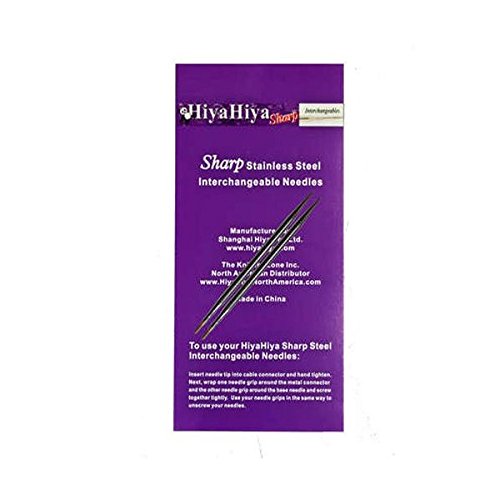
HiyaHiya pins are known for their distinct rubber grip, which makes a world of difference when your hands are tired or prone to dryness. The added friction allows you to get a firm hold on the pin, ensuring it doesn’t slip out of the hole while you are tightening the cable.
These pins are particularly useful for knitters who suffer from arthritis or limited hand strength. The ability to get a secure grip means you don’t have to squeeze as hard to achieve a tight connection.
I always recommend keeping a few of these in different project bags. They are inexpensive, highly effective, and arguably the most comfortable option for long-term use.
Knitter’s Pride Stainless Steel Tightening Key

Knitter’s Pride offers a sturdy, reliable tightening key that feels substantial in the hand. It is made from high-quality stainless steel, ensuring that it maintains its shape even after years of use with various needle materials, from acrylic to rosewood.
The key is designed to fit snugly into the tightening hole, providing a secure anchor point. This is crucial when you are knitting with heavy, worsted-weight wools that create a lot of drag on the cable-needle join.
If you find that your cables are constantly unscrewing, it is likely because you aren’t using the key to its full potential. Always hold the needle firmly and use the key to turn the cable connector, not the needle itself.
How to Use Tightening Keys for Secure Connections
To get the most secure join, insert the tightening key into the small hole on the metal connector of your cable. While holding the needle shaft firmly in one hand, use the key as a lever to rotate the cable connector clockwise.
Do not try to turn the needle itself; the needle is the stationary part of the equation. You want the cable to "seat" deeply into the needle barrel, creating a flush transition that prevents yarn from catching.
A common mistake is tightening the join while the needle is already attached to a project. It is always best to perform this step before you begin your row, ensuring the connection is solid before the weight of the fabric pulls on it.
Why Proper Needle Tightening Prevents Snagging
A loose join creates a tiny "step" or "gap" between the needle and the cable. As you work your stitches across this transition, the yarn will inevitably catch on the edge of the metal, causing fraying or even snapping the strand.
This is especially problematic with delicate fibers like mohair or single-ply yarns, which are prone to splitting. A smooth, flush join ensures that your stitches glide effortlessly from the cable onto the needle, maintaining your tension.
If you find that your stitches are consistently catching, stop immediately and check your join. Even a half-turn with your tightening key can smooth out that transition and save your yarn from unnecessary damage.
Troubleshooting Loose Interchangeable Needle Joins
If your needles are constantly unscrewing, first check for debris inside the threads. Sometimes, a tiny bit of fiber or a speck of dust can prevent the cable from screwing in all the way.
Use a soft, dry cloth to wipe down the threads on both the needle and the cable. If the problem persists, check to see if the threads themselves have become damaged or stripped from over-tightening.
If you are working on a long project, make it a habit to check your joins every time you reach the end of a needle. It takes only two seconds, but it prevents the disaster of a needle coming undone in the middle of a complex lace pattern.
Essential Maintenance for Your Knitting Tool Kit
Treat your interchangeable needles like the precision instruments they are. Store your tightening keys in a dedicated, zippered pouch or a small tin so they don’t get lost in the depths of your knitting bag.
Periodically inspect your cables for any signs of wear or kinking near the join. A damaged cable can put uneven pressure on the connection, making it more likely to unscrew while you are working.
Finally, remember that different needle materials expand and contract slightly with temperature. If you are knitting in a very cold or hot environment, be prepared to give your joins a quick check more often than usual.
Investing in a reliable tightening key is a small price to pay for the peace of mind it brings to your craft. By understanding the mechanics of your specific needle system and making tightening a routine part of your setup, you ensure that your focus remains on the rhythm of your stitches. Take care of your tools, and they will help you create beautiful, snag-free projects for years to come.