6 Best Sock Blockers For Professional Finishing
Achieve a professional finish with our top six sock blockers. Learn how these essential tools shape your knits for a polished, consistent look every time.
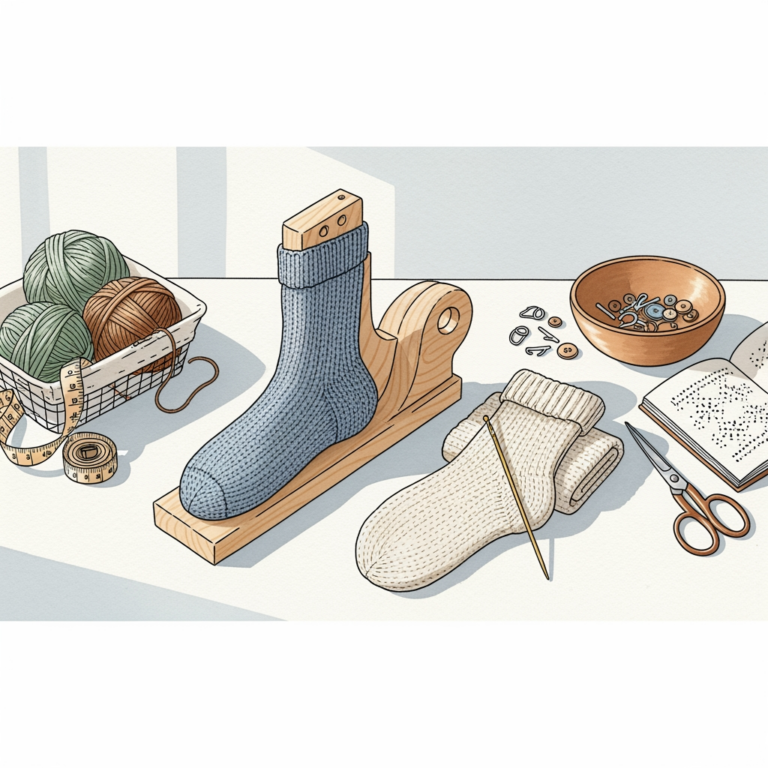
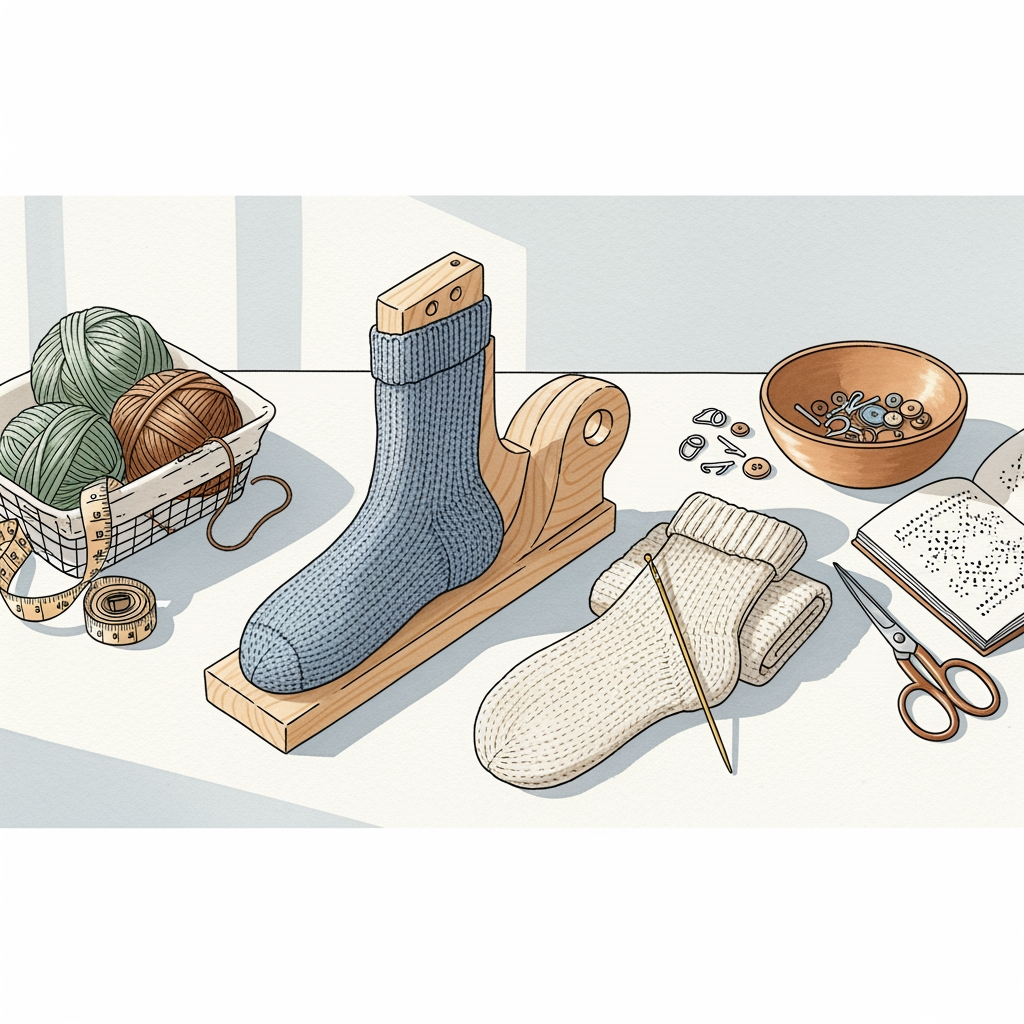
Investing in a quality pair of sock blockers is the final, transformative step that turns a handmade tube of yarn into a professional-grade garment. While many beginners skip this stage, those who want their stitch patterns to pop and their sizing to be consistent know that blocking is non-negotiable. These tools aren’t just for display; they provide the structural tension needed for your fibers to bloom and even out. Choosing the right pair depends heavily on your knitting style, the frequency of your projects, and your storage space.
Knitter’s Pride Adjustable Sock Blockers: Best Overall
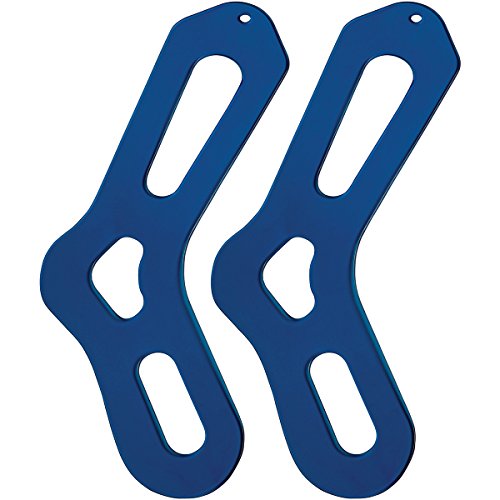

These blockers are a staple in most seasoned knitters’ toolkits for a reason. Their adjustable sliding mechanism allows you to customize the foot length precisely, meaning you don’t need a different pair for every shoe size in the family.
The plastic construction is lightweight yet surprisingly sturdy. Because they are smooth and non-porous, they won’t snag delicate lace patterns or absorb moisture, which prevents that lingering "wet wool" smell during the drying process.
If you are a prolific sock knitter who makes gifts for various recipients, these are your workhorse. While they lack the aesthetic charm of wood, their utility in ensuring a perfect fit across different foot lengths is unmatched.
Ashford Lacquered Wood Sock Blockers: Best for Style
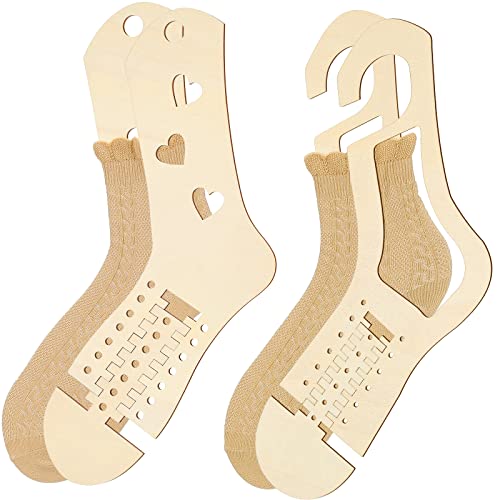
There is an undeniable tactile pleasure in using tools crafted from natural materials. The Ashford blockers feature a beautiful, smooth lacquer finish that prevents the wood from splintering or catching on your fine-gauge stitches.
These are ideal for knitters who photograph their work for social media or portfolios. The warm, wood-grain aesthetic provides a professional, high-end backdrop that makes your colorwork or cables look like they belong in a boutique window.
Keep in mind that wooden blockers require a bit more care. You must ensure they are completely dry before storing them to prevent warping or mildew, especially if you live in a humid climate.
HiyaHiya Stainless Steel Sock Blockers: Best Durable

If you are looking for a "buy it for life" tool, stainless steel is the gold standard. These blockers are incredibly thin, which allows for excellent airflow through the sock, significantly reducing drying time.
Because they are made of metal, they are impervious to the moisture that eventually degrades wood or cheap plastic. You can leave them in a soaking wet pair of socks for hours without worrying about rust or structural integrity.
The trade-off is their rigidity; they do not flex. If you have a habit of knitting your socks with a very snug fit, pulling these onto the foot requires a bit of finesse to avoid over-stretching the cuff.
Off-Grid Fiber Art 3D Printed Sock Blockers: Best Fit
The beauty of 3D printing in the fiber arts is the ability to achieve anatomical precision that mass-produced plastic cannot match. These blockers often feature more realistic heel and toe shaping, which helps maintain the structural integrity of your gusset.
Many knitters struggle with "baggy heels" after blocking, but the contoured shape of these prints helps set the fabric in a way that mimics the human foot. They are perfect for knitters who prioritize the technical fit of their socks over simple aesthetics.
Since these are often made to order, you can sometimes find versions that accommodate specific calf widths or unique foot shapes. This is a game-changer for knitters who find that standard, one-size-fits-all blockers don’t match their personal anatomy.
Kelmscott Designs Metal Sock Blockers: Best Compact
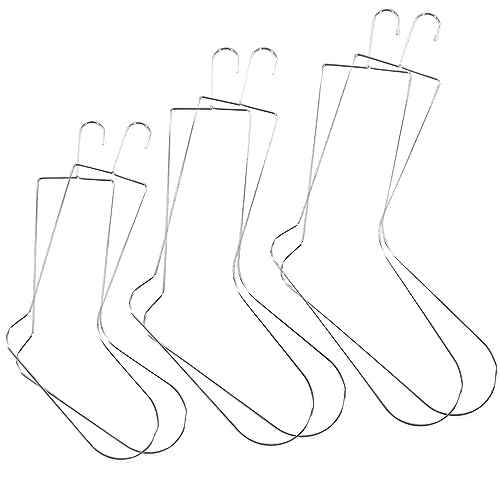
Space is often the biggest constraint for the avid knitter. Kelmscott designs are known for their slim, minimalist profile, making them easy to tuck into a project bag or a crowded knitting drawer.
Their wire-frame construction is deceptively strong. Because they are so open, they allow the sock to breathe from every angle, which is a major advantage if you are blocking thick, heavy-weight wool socks that take days to dry.
They are particularly excellent for travel. If you are heading to a knitting retreat and want to block your finished pairs to show them off, these will take up almost zero room in your luggage.
Turtle Made Adjustable Sock Blockers: Best for Gift
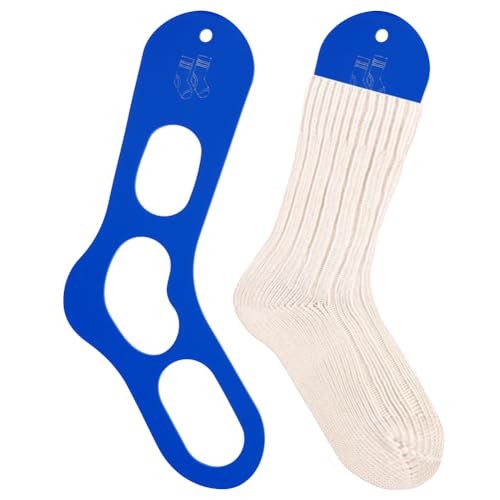
Turtle Made blockers are celebrated for their clever interlocking design and high-quality craftsmanship. They often feature a unique aesthetic that makes them feel less like a utility tool and more like a piece of functional art.
They are a fantastic gift choice because they feel premium and thoughtful. The adjustable nature ensures that even if you don’t know the exact shoe size of the recipient, the tool will still be highly functional for them.
They strike a perfect balance between form and function. They are sturdy enough for daily use but beautiful enough that a knitter would be proud to have them sitting on their workstation.
Why Proper Sock Blocking Improves Your Stitch Work
Blocking is the process of using moisture and gentle tension to set your stitches into their final, relaxed position. When you pull a sock off the needles, the fabric is often bunched and uneven; blocking forces the yarn to "bloom," filling in the gaps between stitches.
For colorwork, this step is essential to ensure the floats behind the work lay flat and even. Without blocking, your intricate patterns may look puckered or distorted, hiding the hard work you put into your tension control.
Ultimately, blocking makes your socks look like a finished product rather than a craft project. It smooths out the transition between the heel turn and the foot, giving the garment a professional, uniform appearance that holds up over time.
Essential Tips for Choosing Your Ideal Sock Shape
Not all feet are shaped the same, and your blockers shouldn’t be either. If you have a high instep or a wider calf, look for blockers that offer a more anatomical silhouette rather than a straight, flat board.
Consider the "toe" shape of your blockers. If you prefer a rounded toe, ensure your blockers aren’t too pointed, or you will end up with a sock that feels stretched and thin at the tip.
- Flat blockers: Best for simple stockinette and general storage.
- Contoured blockers: Necessary for lace, cables, and fitted heels.
- Adjustable blockers: The best investment if you knit for multiple people.
How to Block Wool Versus Synthetic Sock Yarn Blends
Wool fibers, especially untreated wool, have a natural memory that reacts beautifully to steam or water. When blocking wool, you can gently massage the fabric into place, and the fibers will "lock" into that shape once dry.
Synthetic blends, such as those containing nylon, behave differently. They are more resistant to stretching and tend to return to their original shape more aggressively, so you may need to use slightly more tension when placing them on the blocker.
Always check your yarn label for care instructions before soaking. While most sock yarns are superwash, some luxury fibers like mohair or angora require a much lighter touch to avoid felting or matting during the blocking process.
Maintaining Your Sock Blockers for Longevity
To keep your blockers in top shape, always wipe them down after use. Even if they appear clean, residual oils from your hands or lanolin from the wool can build up over time, which may attract dust or affect the finish.
If you use wooden blockers, store them in a cool, dry place away from direct sunlight. Excessive heat can cause the wood to dry out and eventually crack, while damp storage can lead to warping that will ruin the shape of your future socks.
For metal or plastic blockers, a quick rinse with mild soap and water is sufficient. Avoid using harsh chemicals or abrasive sponges, as these can scratch the surface and create snag points that will eventually damage your delicate hand-knit stitches.
Choosing the right sock blocker is a personal journey that evolves as your knitting skills grow. Whether you prioritize the professional finish of wood, the durability of stainless steel, or the anatomical precision of 3D-printed tools, the goal remains the same: elevating your craft. By taking the time to block your socks properly, you honor the hours of work you put into every stitch. May your heels be perfectly turned and your blocking process be as satisfying as the final cast-off.