7 Best Iron-on Adhesives for Bag Linings to Use
Discover the top 7 iron-on adhesives for bag linings. This guide compares durability and ease of use to help you achieve a professional, structured finish.
When you’ve spent weeks knitting a complex, stranded colorwork tote or a delicate lace-trimmed project bag, choosing the right lining is the final, crucial step to ensuring your hard work lasts. A well-chosen iron-on adhesive acts as the structural foundation, preventing your fabric from sagging or losing its shape after months of use. Selecting the wrong product can lead to bubbling, peeling, or a stiff, unnatural hand that ruins the drape of your fiber art. This guide breaks down the best adhesives to help you bridge the gap between your knitted exterior and a professional, functional lining.
Pellon 808 Craft-Fuse: Best Overall Interface


Pellon 808 is the workhorse of the bag-making world, much like a reliable set of stainless steel needles that works for almost any yarn weight. It provides a crisp, mid-weight structure that prevents your knit fabric from stretching out under the weight of everyday items like keys or notebooks.
For most medium-weight knitted bags, this is my go-to recommendation. It adds enough body to keep the bag upright without making it feel like cardboard, which is a common complaint when makers over-interface their projects.
The trade-off here is that it can be slightly bulky if you are working with very fine, fingering-weight cotton knits. If you’re lining a delicate accessory, test a swatch first to ensure the "hand" of your bag remains supple enough for your liking.
HeatnBond Lite: Best for Precise Applique

If you are adding decorative felt or fabric patches to your knit bag, HeatnBond Lite is essentially the "tapestry needle" of the adhesive world—it’s precise, clean, and gets into the tight spots. It is designed to be sewable, meaning you can iron it on and then stitch over the edges without gumming up your sewing machine needle.
This is vital for knitters because knitted fabric is inherently porous and prone to shifting. HeatnBond Lite holds your applique firmly in place, allowing you to focus on your decorative stitches rather than struggling to keep the piece centered.
Keep in mind that this is not a structural adhesive; it is meant for bonding layers rather than adding weight. Don’t rely on it to support the frame of a heavy bag, or you’ll find your lining separating after just a few uses.
Vilene H200: Best Lightweight Fusible

Vilene H200 is the secret weapon for those of us who prefer the natural drape of a hand-knit project but need just a whisper of stability. It’s incredibly thin, making it perfect for lining small pouches or delicate lace bags where you don’t want to compromise the fabric’s movement.
Think of this as the "blocking" of the adhesive world; it subtly reinforces the fibers without changing their fundamental character. It’s ideal for preventing your knit stitches from pulling apart at the seams under tension.
Because it is so lightweight, it won’t hide major flaws in your knitting gauge or uneven tension. Use this when your knitting is already beautiful and you simply want to protect it from the wear and tear of daily life.
Pellon 71F Peltex: Best for Sturdy Bag Bases

When you are knitting a structured tote that needs to stand up on its own, you need a heavy-duty stabilizer like Peltex. This is essentially a sew-in or fusible board that provides the kind of rigidity usually reserved for professional luggage.
I recommend using this only for the base or the side panels of a bag. Trying to use this on the entire lining will make your bag feel stiff and unyielding, effectively killing the cozy, tactile appeal of your hand-knit exterior.
The trick is to cut your Peltex slightly smaller than your fabric panels to avoid bulky seams. If you try to sew through the edge of the Peltex, you will likely break your needle, so always "float" it within the lining layers.
Therm O Web Stitch-n-Sew: Best for Durability

Therm O Web Stitch-n-Sew is a fantastic choice when your bag will be subjected to heavy, frequent use, such as a project bag that gets tossed into a car or carried to knitting circles every week. It offers a robust bond that holds up remarkably well against the natural expansion and contraction of knitted fabric.
Unlike some lighter adhesives that might start to delaminate over time, this product maintains its grip. It is a reliable choice for long-term projects where you want the lining to stay as pristine as the day you finished the final bind-off.
Be aware that it adds a noticeable amount of weight to your project. If you are knitting with a heavy wool blend, consider how the combined weight of the yarn and the stabilizer will feel on your shoulder before you commit to the entire bag.
Sulky KK 2000: Best Temporary Spray Adhesive
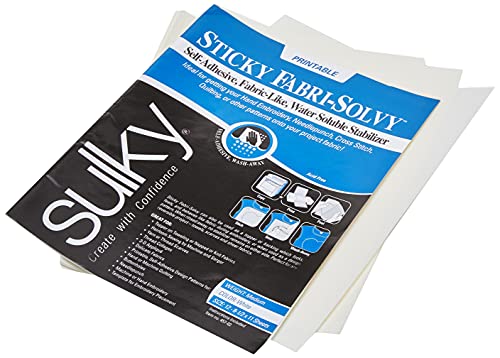
Sometimes, you don’t want a permanent bond, but you need a little help keeping your lining aligned while you sew. Sulky KK 2000 acts like a temporary stitch marker, holding your layers together before they are permanently secured by your sewing machine.
This is an excellent tool for knitters who struggle with the "shifting" that happens when you try to sew slippery lining fabric to a textured, knitted surface. It allows you to position everything perfectly without the risk of pins leaving permanent holes in your delicate yarn.
The best part is that the adhesive dissipates over time, leaving no residue behind. It’s the perfect solution for those who are nervous about permanent iron-on adhesives and want a "try before you buy" approach to lining.
Wonder Under 805: Best for Delicate Fabrics
Wonder Under 805 is a paper-backed fusible web that is perfect for those who want total control over where the adhesive goes. It is particularly effective when working with fine, expensive silks or delicate linings that might scorch under direct heat.
Because you iron it onto the lining fabric first, you can trim it to the exact shape you need before bonding it to your knit project. This prevents the adhesive from bleeding through your beautiful, hard-earned stitches.
It is less about structural support and more about clean, professional finishing. If you are lining a high-end project made of cashmere or alpaca, this is the safest choice to ensure the lining stays put without damaging the fibers.
How to Choose the Right Interfacing for Bags
Choosing the right adhesive is just as important as choosing the right needle size for your yarn weight. You must consider the "hand" of your fabric; a heavy wool bag needs a robust, structural stabilizer, while a lightweight cotton sock-yarn bag needs something much more ethereal.
Always consider the intended use of the bag. A project bag that sits on your shelf can get away with a lighter touch, but a market bag that carries heavy skeins of yarn requires a much stronger, more permanent bond.
- Weight: Match the weight of the fusible to the weight of your yarn.
- Flexibility: Does the bag need to fold or roll? If so, avoid rigid stabilizers.
- Bonding: Are you bonding to a smooth surface or a heavily textured cable? Textures require more adhesive to hold properly.
Tips for Applying Fusibles Without Scorch Marks
The most common mistake I see is using too much heat or pressure, which can permanently flatten your beautiful stitch definition. Always use a "press cloth"—a scrap of cotton fabric between your iron and your project—to protect the yarn fibers from direct heat.
Never slide your iron back and forth, as this can stretch your knitted fabric out of shape. Instead, use a "press and lift" motion, holding the iron in one spot for the recommended time before moving to the next section.
If you are working with synthetic yarns, be extra cautious, as they have a much lower melting point than natural wool. A lower temperature setting and a slightly longer press time is almost always the safer bet.
Troubleshooting Common Bag Lining Adhesion Issues
If your lining starts to bubble, it usually means the adhesive didn’t reach the proper temperature to activate or it wasn’t held in place long enough. You can often fix this by re-pressing the area with a damp press cloth, which creates a burst of steam to help the adhesive re-bond.
If the lining is peeling at the edges, it’s likely because the adhesive was cut too close to the seam, preventing a clean seal. In the future, trim your fusible slightly smaller than the fabric panel so the adhesive is fully enclosed by the seam allowance.
Don’t panic if your first attempt isn’t perfect; lining is a skill that takes practice, just like mastering the perfect tension in stranded colorwork. If a section refuses to stick, a few small, well-placed whip stitches can often save the day and reinforce the bond.
Lining your hand-knit bags is the mark of a truly thoughtful maker, turning a simple project into a lasting heirloom. By choosing the right adhesive for your specific yarn and project needs, you ensure that your work remains both beautiful and functional for years to come. Don’t be afraid to experiment with these products on swatches first, as the interaction between different fibers and adhesives is where the real craft happens. Happy making, and may your linings always sit as perfectly as your tension.