6 Best Reference Books For Buttonhole Construction
Master buttonhole construction with these six essential guides. Learn professional techniques for precise, durable, and elegant finishes on any garment.
Achieving a clean, professional buttonhole is often the final hurdle that separates a handmade garment from a truly polished heirloom piece. Even experienced knitters can feel a flutter of anxiety when it’s time to cut into, or work around, those critical closure points. The secret lies not in luck, but in relying on the right technical references to guide your hands. This guide highlights the essential books that will turn your buttonhole frustrations into a signature skill.
Vogue Knitting: The Ultimate Knitting Book


This is the definitive encyclopedia that sits on every serious knitter’s coffee table for a reason. It doesn’t just show you one way to work a buttonhole; it presents a comprehensive catalog of methods tailored to different fabric weights.
When you are working with a bulky, cabled cardigan, the standard yarn-over buttonhole might look too flimsy. This book excels at explaining how to adjust your stitch counts to ensure the buttonhole is sturdy enough to hold the weight of the garment without stretching out of shape.
The photography is crisp, and the illustrations are exceptionally clear for those who prefer visual learning. If you only buy one reference book in your lifetime, make it this one.
Principles of Knitting by June Hemmons Hiatt

June Hemmons Hiatt’s work is the "physics textbook" of the knitting world. It is less about quick patterns and entirely about the structural integrity of your knitting, making it an invaluable resource for buttonhole construction.
You won’t find glossy lifestyle photos here, but you will find the most rigorous explanation of why stitches behave the way they do. When you need to understand how a buttonhole interacts with the tension of a button band, this is the book that provides the answer.
It is perfect for the knitter who wants to understand the "why" behind the "how." It is a dense read, but it provides the foundational knowledge to troubleshoot any buttonhole issue you might encounter.
The Knitter’s Bible by Claire Crompton
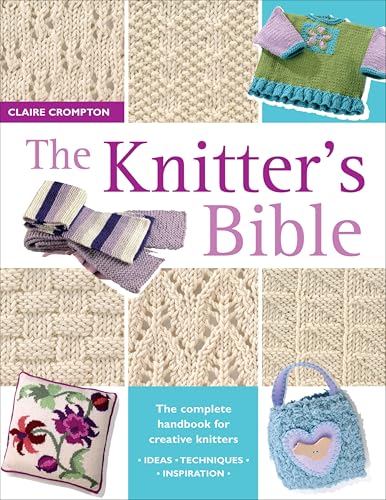
Think of this as your friendly, accessible guide for when you need a quick answer without diving into heavy theory. It is organized beautifully, making it easy to flip to the "Finishing" section when you’re mid-project and in a hurry.
The instructions for buttonholes are straightforward and easy to follow, even for beginners. It provides a great balance of basic techniques that work for 90% of the garments you will ever knit.
If you find other manuals intimidating, start here. It takes the mystery out of the process and encourages you to just dive in and try it.
Cast On, Bind Off by Leslie Ann Bestor
While the title focuses on edges, this book is a hidden gem for buttonhole construction. Buttonholes are essentially mini-cast-offs and cast-ons within a row, and Bestor explains this mechanic better than anyone else.
The book is spiral-bound, which is a massive advantage when you are trying to hold your needles in one hand and keep the book open with the other. It is a practical, hands-on tool that belongs on your project table.
Use this when you want to experiment with decorative buttonholes or need to match your buttonhole style to a specific bind-off edge. It is all about cohesion in your finishing work.
Knitting Techniques by The Editors of Vogue

This is a more focused, portable version of the larger Vogue Knitting encyclopedia. It is perfect for keeping in your project bag so you can reference it while knitting on the go.
It distills complex techniques into manageable steps. If you are struggling with the transition between a buttonhole row and the next row of knitting, this book provides the clarity you need to keep your gauge consistent.
It is an excellent choice for those who want expert-level advice without the weight of a massive reference volume. It is reliable, concise, and technically sound.
Reader’s Digest Knitter’s Handbook Review
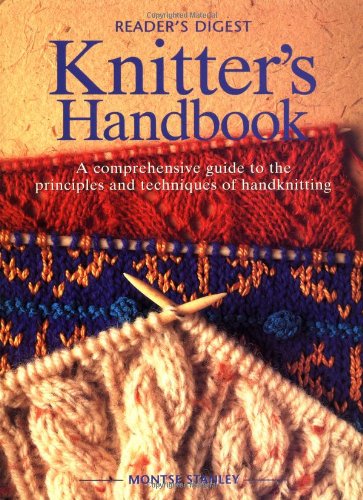
This is a classic, often overlooked resource that offers a very traditional approach to knitting. The instructions for buttonholes are timeless and focus on creating durable, functional closures that stand the test of time.
It is particularly good for those who appreciate a no-nonsense, traditional style of garment construction. The diagrams are simple and effective, cutting through the noise to show exactly where the yarn should go.
While it lacks the modern flair of newer titles, its reliability is unmatched. It is a workhorse of a book for the practical knitter.
Choosing the Right Buttonhole for Your Project
Not all buttonholes are created equal, and choosing the wrong one can ruin the drape of a beautiful sweater. For a lightweight baby sweater, you want a delicate, small buttonhole that won’t overwhelm the fabric.
Conversely, a heavy wool coat requires a robust, reinforced buttonhole that can withstand constant pulling and friction. Always consider the weight of your yarn and the size of your button before selecting your technique.
- Small buttons: Use a simple yarn-over buttonhole.
- Large, heavy buttons: Use a reinforced, sewn-over buttonhole.
- Delicate fabrics: Use a crochet-reinforced buttonhole to prevent stretching.
Vertical vs Horizontal Buttonhole Techniques
The orientation of your buttonhole changes the way your fabric hangs. Horizontal buttonholes are the industry standard because they allow the button to sit securely at the bottom of the hole, preventing the garment from sagging.
Vertical buttonholes are generally used on narrow button bands where there isn’t enough room to work a horizontal hole. They look elegant but can be prone to stretching if the button is heavy.
Always test your buttonhole on a swatch before committing to the garment. If the vertical hole stretches too much, consider adding an extra stitch to the cast-on to tighten the opening.
Troubleshooting Common Buttonhole Tension Issues
The most common complaint is a "gaping" buttonhole that looks messy. This usually happens because the tension between the bind-off and the subsequent cast-on is too loose.
To fix this, try working your stitches slightly tighter around the buttonhole area. You can also pick up an extra stitch at the base of the hole and decrease it on the following row to close any unsightly gaps.
- Gaping? Tighten your tension on the stitches immediately adjacent to the hole.
- Too small? Use a needle one size larger just for the buttonhole row.
- Stretching? Reinforce the back of the buttonhole with a matching thread.
How to Reinforce Buttonholes for Heavy Wear
If you are knitting a garment that will see daily use, reinforcement is non-negotiable. A simple knitted buttonhole will eventually lose its shape, especially in wool or cotton blends.
The best way to reinforce is to use a matching sewing thread or a thin strand of the same yarn to whip-stitch around the edges of the buttonhole after the garment is blocked. This creates a permanent, sturdy frame that prevents the button from wearing through the fiber.

Don’t be afraid to take a needle and thread to your knitting. It is the secret to making your work last for decades rather than just a season.
Mastering buttonholes is a journey of patience, swatching, and intentional finishing. By keeping these references close and applying these techniques to your specific fibers, you will find that your garments begin to look as professional as anything you could buy in a boutique. Embrace the process, keep your tension consistent, and don’t hesitate to reinforce your work for longevity. Happy knitting, and may your buttons always stay securely in place.