6 Best Cord Extenders For Larger Circumferences Tested
We tested six top-rated cord extenders for larger circumferences. Discover our top picks for comfort, durability, and fit in this comprehensive review guide.
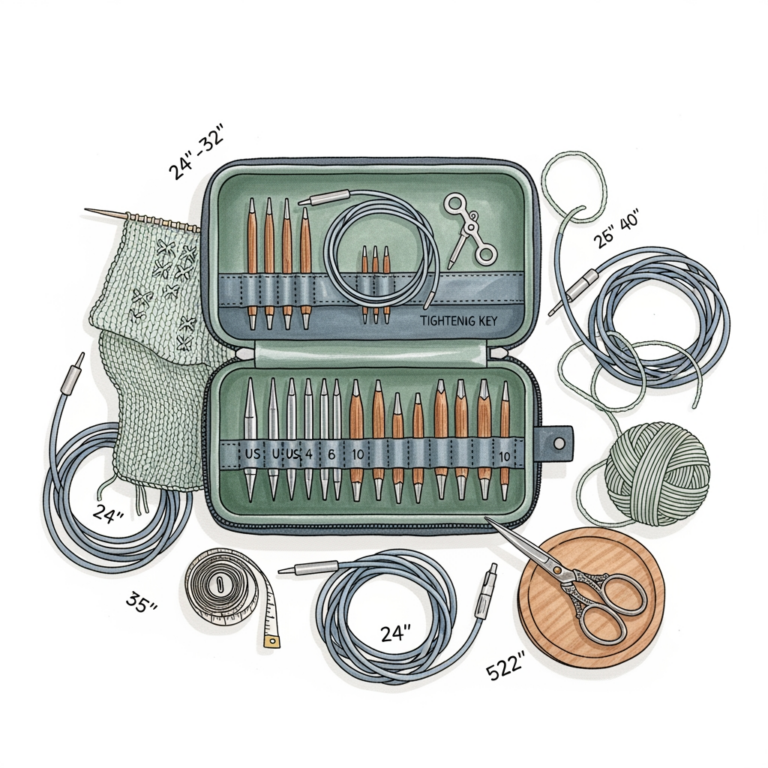
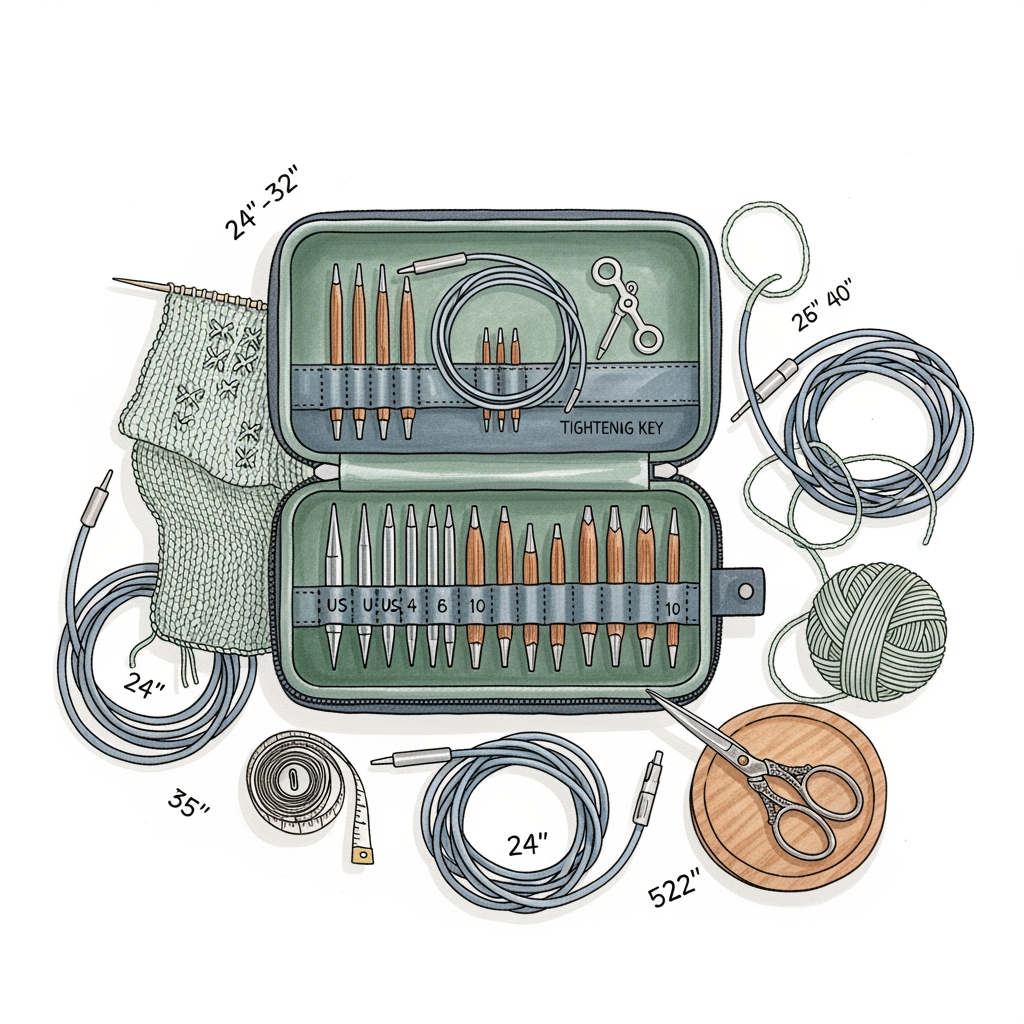
Knitting a massive circular blanket or a floor-length mohair shawl often requires more cord length than a standard set provides. When your stitches start to crowd the needles, a cord extender becomes the only thing standing between you and a dropped stitch disaster. These small, threaded components allow you to link multiple cables together to accommodate hundreds of stitches. Finding the right system is essential for maintaining consistent tension across your entire project.
ChiaoGoo TWIST Red Cable Connectors Review


ChiaoGoo is the gold standard for many of us because their stainless steel cables are incredibly durable and memory-free. When you use their TWIST Red cable connectors, you are essentially locking two cables into a seamless, rigid bond.
The primary advantage here is the precision-machined threading. Because these connectors are made of high-grade steel, they rarely strip, even after years of heavy use on weighted projects like wool-heavy blankets.
However, the connection point can be slightly bulkier than the cable itself. If you are working with very fine lace-weight yarn, you might feel a slight "bump" as the stitches pass over the join.
Addi-Click SOS Cord Connector System Tested

The Addi-Click system is unique because it uses a spring-loaded clutch mechanism rather than a traditional screw-in thread. Their SOS cord connectors are specifically designed to allow you to insert a lifeline while you knit, which is a lifesaver for complex lace.
This system is perfect for knitters who struggle with arthritis or hand fatigue. You don’t need a tightening key or a rubber gripper to get a secure hold; you simply push and twist.
The trade-off is that the click mechanism can sometimes feel less "permanent" than a screwed-in connection. Always double-check that the "click" has fully engaged before moving your stitches onto the cable.
KnitPro Mindful Collection Cable Connectors

KnitPro’s Mindful Collection focuses on the aesthetics of the knitting experience, and their connectors are no exception. These connectors are designed to blend perfectly with the teal-colored cables of the series.
They offer a very smooth transition, which is critical when working with sticky fibers like unspun wool or mohair. If you find that your stitches snag on the join, these connectors are often the best at minimizing that friction.
The main drawback is that they are brand-specific. While they may fit some other KnitPro lines, they are not universally compatible with every interchangeable set on the market.
HiyaHiya Interchangeable Cable Adapters

HiyaHiya is famous for their swivel cables, which prevent your cord from twisting while you work in the round. Their interchangeable cable adapters allow you to extend your reach without sacrificing that signature swivel motion.
These are particularly useful for those knitting garments on circular needles where the cable tension often causes the work to "fight" back. The adapter maintains the integrity of the swivel, ensuring your project rotates freely.
Be aware that HiyaHiya has different thread sizes for their "Small" and "Large" needles. You must match the adapter size to the needle diameter, or you will find yourself unable to attach your tips.
Lykke Interchangeable Cord Connectors Set

Lykke connectors are designed to match the beautiful, warm aesthetic of their driftwood-style needles. They are lightweight and provide a very secure hold without adding unnecessary weight to your project.
These connectors are excellent for knitters who prefer working with natural fibers like cotton or linen. The material of the connector doesn’t feel "cold" or "sharp" against your skin as you manipulate the fabric.
Because they are made of a lighter material than the steel options, they are less likely to drag your project down. However, they can be slightly more fragile, so avoid over-tightening them with excessive force.
Seeknit Koshitsu Cable Connector Review
Seeknit is a Japanese brand that produces exceptionally high-quality bamboo needles. Their Koshitsu cable connectors are treated to be incredibly smooth and resistant to warping.
These are the best choice for knitters who have a very tight gauge and worry about the cable connection point bending under pressure. The bamboo-based construction has a natural "give" that feels very organic in the hands.
They are, however, less common in local yarn stores than steel alternatives. You may need to order these specifically to ensure you have the correct size for your Seeknit cables.
How to Safely Join Cables for Large Projects
When joining cables for a project with hundreds of stitches, the weight of the fabric is your biggest enemy. A long, heavy cord can put immense stress on the connection point, leading to potential breakage.
I always recommend using a cable stopper on the end of the extended cable if you aren’t using both ends for knitting. This prevents your stitches from sliding off the far end while you focus on the needle tips.
Furthermore, ensure that your joins are tightened with the provided tool every time you pick up the project. Yarns like superwash wool can be "slippery," and the constant movement of the needles can slowly unscrew the connector.
Preventing Snags When Using Cord Extenders
Snags usually happen because the junction between the cable and the connector isn’t perfectly flush. Even a microscopic gap can catch a delicate fiber, especially when working with high-twist yarns.
To prevent this, use a small piece of clear tape or a tiny bit of beeswax over the join if you are working with particularly "grabby" fibers. This creates a smooth ramp for the stitches to travel over.
Another trick is to check the join with your fingernail. If you can feel a "catch" when running your nail over the connection, it will likely catch your yarn; try unscrewing and re-tightening to get a better alignment.
Matching Connector Sizes to Needle Brands
Never assume that a connector from one brand will fit the cable of another. While the thread pitch might look similar, the internal diameter and the depth of the threading vary wildly between manufacturers.
Using the wrong connector can permanently damage the threads on your expensive needles. If you feel resistance while screwing the connector in, stop immediately; you are likely cross-threading the component.
Keep your connectors organized by brand in small, labeled tins. Mixing them up is a common mistake that leads to frustration during a late-night knitting session.
Troubleshooting Common Cable Connection Issues
If your cable keeps coming loose, you are likely not tightening it enough. Use the provided tightening key or a small rubber gripper to ensure the connection is truly firm.
If the cable is bending or kinking at the join, it may be due to the weight of the project. Try to support the bulk of your knitting in your lap rather than letting it hang off the needles, which creates a lever effect on the connector.
Finally, if you have a connector that just won’t stay tight, check for debris in the threads. A tiny piece of fiber or a bit of dust can prevent the threads from seating fully.
Investing in quality cord extenders is a small price to pay for the peace of mind they provide during large projects. By choosing the right material and ensuring a secure, snag-free connection, you can focus entirely on your rhythm and stitch patterns. Remember that even the best tools require a little maintenance and careful handling to perform their best. Happy knitting, and may your joins always stay tight and your stitches slide effortlessly.