6 Best Labels For Tracking Dye Formulas To Use
Master dye precision with our top 6 label picks. Discover durable, chemical-resistant options to track formulas accurately and streamline your studio workflow.
Achieving the perfect, repeatable colorway is the holy grail of hand-dyeing, yet many knitters lose their progress to fading ink or misplaced notebooks. Without a robust labeling system, that stunning semi-solid teal you created last summer becomes a frustrating mystery you can never quite replicate. By treating your dye formulas with the same care as your finest cashmere, you ensure every project has the consistency it deserves. Here are the best labeling solutions to keep your studio organized and your recipes safe.
Avery Easy Peel Labels for Dye Batch Tracking
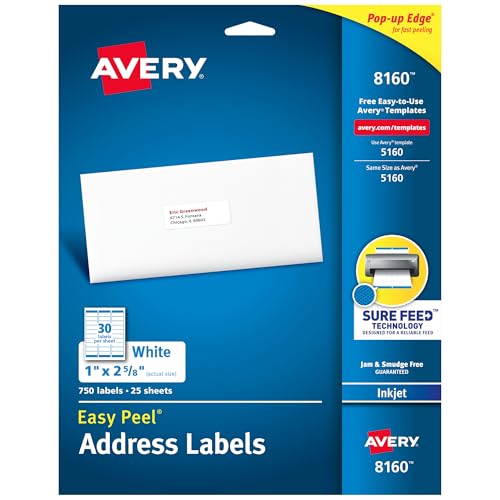

If you are just starting your dyeing journey, these standard labels are your best friend for quick, internal organization. They are incredibly easy to print from home, allowing you to include detailed notes on dye percentages and immersion times.
The "Easy Peel" feature is a lifesaver when you are moving quickly between dye pots. You don’t want to be fumbling with a stubborn backing while your yarn is sitting in a vinegar soak, risking uneven absorption.
However, keep in mind that these are paper-based and not moisture-resistant. They work best for tracking your master recipe cards or the storage bins where you keep your dry chemicals, rather than the wet yarn itself.
Brother P-Touch Labels for Solvent Resistance
When you move into professional-grade dyeing with professional acids or heavy-duty mordants, standard labels will disintegrate. Brother P-Touch labels use a laminated tape that is highly resistant to chemical spills and moisture.
These are perfect for labeling your primary dye stock bottles or concentrated liquid dye jars. If you accidentally tip a jar of concentrated navy dye, a quick wipe will clean the label without smearing your written formula.
The tradeoff here is the cost of the tape and the limited space on the label. You’ll need to use abbreviations for your formulas, so keep a master key nearby to translate your shorthand back into full measurements.
Dymo Embossing Labels for Permanent Records
There is something undeniably satisfying and tactile about the old-school Dymo embossing labels. They are virtually indestructible and won’t fade over time, making them excellent for labeling your permanent archive of dye samples.
Because they are raised, they add a bit of texture that makes them easy to find in a dark storage drawer. They are ideal for tagging the outside of sample binders or heavy-duty plastic storage totes.
They aren’t great for detailed formulas, though, as you are limited by the physical dial of the embosser. Use these for identifying "Batch #042" or "Fall Collection 2023" rather than the specific grams of dye used.
Rite in the Rain Tags for Wet Dye Environments

If you need a label that can survive a dunk in a dye bath or a heavy steam-setting process, Rite in the Rain tags are the gold standard. They are designed for field use and remain legible even when completely saturated.
You can tie these directly to your skeins as they go into the pot. This eliminates the risk of "mystery yarn" syndrome, where you lose track of which batch is which after a long day of rinsing and drying.
The only downside is that they usually require a pencil or a specific all-weather pen to write on. A standard ballpoint pen will likely wash away or smudge, so be sure to test your writing instrument before you commit a day’s work to the pot.
Avery Durable Waterproof Labels for Yarn Skeins

For the finished product that heads to the yarn shop or your personal stash, you want something professional and sturdy. These waterproof labels are designed to withstand handling, shipping, and the occasional accidental spill.
They provide a clean, polished look that elevates the presentation of your hand-dyed work. If you are gifting your yarn or selling it, these labels convey that you take your craft seriously.
Be aware that the adhesive on these is quite strong. Be careful applying them directly to delicate fibers like lace-weight mohair, as the adhesive could potentially leave a residue if removed improperly.
Thermal Transfer Labels for Industrial Precision
For those scaling up their production, thermal transfer printers are the most reliable option for long-term data storage. The ink is fused into the label material, meaning it cannot be rubbed off or dissolved by water.

These labels are incredibly crisp and allow for barcodes or QR codes, which can link directly to a digital database of your formulas. If you have a large inventory, this is the only way to maintain total accuracy.
The initial investment for a thermal printer is higher than a standard inkjet, and the labels are a specific proprietary stock. This is a "buy once, cry once" tool meant for the dedicated dyer who plans to scale.
Why Dye Formula Precision Matters for Knitters
Knitters invest hours, sometimes hundreds of hours, into a single sweater. When you use hand-dyed yarn, you are trusting the dyer to provide a color that won’t bleed or fade unevenly.
Precision in the dye pot ensures that the yarn has consistent saturation and proper pH levels. A well-labeled formula means that if you run out of yarn halfway through a sleeve, you can actually match the color for the second one.
Without this precision, you risk "color pooling" or jarring shifts in tone that can ruin a stranded colorwork project. Treat your formulas like a blueprint; if the foundation is off, the finished garment will show it.
Essential Details to Record for Every Dye Lot
Consistency is built on the details you capture during the process. Even if you think you’ll remember the specifics, write them down immediately while your hands are still wet.
- Dye Brand and Color Name: Even subtle variations between batches of the same dye can occur.
- Weight of Fiber: Always record the dry weight of the yarn in grams.
- Water Volume and pH: Note the amount of water used and the amount of citric acid or vinegar added.
- Temperature and Time: Track the peak temperature reached and the duration of the simmer.
How to Properly Archive Your Custom Color Recipes
A physical notebook is wonderful, but a digital backup is essential for long-term preservation. I recommend keeping a binder with physical yarn swatches stapled to your formula sheets.
Organize these by color family or fiber type to make searching easier. Once a month, take photos of your notes and upload them to a cloud-based folder.
This dual-system approach ensures that even if you spill a cup of coffee on your notebook, your hard work isn’t lost forever. Your future self, trying to recreate that perfect "Stormy Atlantic" blue, will thank you.
Best Practices for Labeling Hand-Dyed Yarn Stock
Always label your yarn as soon as it is dry and twisted. Never assume you will "just remember" which batch is which, because after a few days, every blue skein starts to look the same.
Use a consistent naming convention that includes the date, the fiber base, and the batch number. This makes it easy to track the age of your stock and identify which batches might need to be used first.
Finally, keep your labeled stock in a dark, cool place to prevent light damage. A well-labeled, well-stored inventory is the hallmark of a master dyer who respects their materials.
Consistency in the dye pot is the bridge between a hobbyist and a true artisan. By choosing the right labels and committing to a rigorous recording process, you transform your dyeing from a game of chance into a reliable craft. Take the time to set up your system today, and your future knitting projects will be all the more beautiful for it. Happy dyeing, and may your colors always stay true.