6 Best Garment Steamers For Knitwear Refreshing
Revitalize your favorite sweaters with our top 6 garment steamers. Discover safe, effective tools to remove wrinkles and refresh delicate knitwear fibers easily.
After spending two decades at the loom and needles, I have learned that a finished project is only as good as its final finish. Steaming is the secret weapon that transforms a stiff, uneven swatch into a professional, supple garment. Choosing the right tool for your specific fiber blend is the difference between a perfectly draped sweater and a permanent, felted mistake. Here are my top picks for keeping your hard work looking store-bought fresh.
Conair ExtremeSteam: Best Overall Fabric Steamer
This unit is the workhorse of the knitting world, striking a balance between power and portability that most knitters crave. It heats up in seconds, meaning you won’t have to wait around when you just want to touch up a slightly ruffled collar.
The dual-heat technology is what sets it apart for us. It provides a consistent, high-velocity steam that penetrates even tightly twisted, high-ply wools without soaking the fabric.
If you are a frequent sweater knitter, this is your go-to. It handles the weight of a heavy fisherman’s rib or a dense cabled pullover with ease.
J-2000 Jiffy Professional Garment Steamer Review


If you run a small business or maintain a massive wardrobe of handknits, the Jiffy is the gold standard. It is a stationary unit, so you won’t be moving it around, but its steam output is unmatched in the industry.
Because it produces such a high volume of steam, it is perfect for large-scale blocking projects like full-length shawls or heavy wool coats. It essentially acts as a professional-grade tool that clears wrinkles instantly.
The trade-off is the footprint; it takes up space in your craft room. However, for the serious knitter who blocks dozens of garments a year, the efficiency is worth the floor space.
Rowenta X-Cel Handheld: Best for Travel Knitting

When you are traveling to a knitting retreat or a fiber festival, you need something that fits into your carry-on. The Rowenta X-Cel is compact enough to tuck into a suitcase without sacrificing the power needed to de-wrinkle a lace shawl.
It features a very user-friendly trigger mechanism that allows you to control the steam burst precisely. This is vital when you are working with delicate lace, where you don’t want to over-saturate the yarn and lose your stitch definition.
It is a specialized tool. While it may not be the best for a heavy, jumbo-weight blanket, it is the perfect companion for your lightweight, fingering-weight accessories.
Hilife Portable Steamer: Best Budget Knit Option
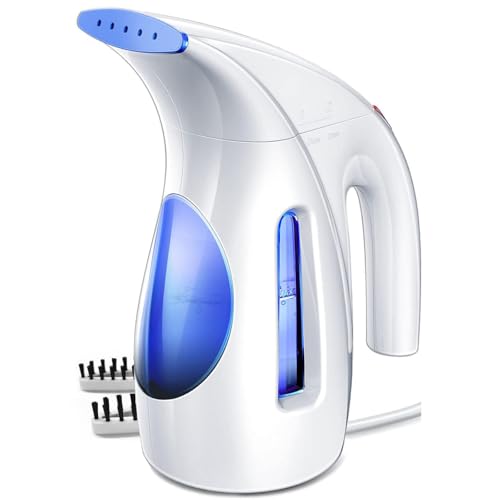
Sometimes you don’t need a professional-grade machine to refresh a garment. The Hilife is small, inexpensive, and does exactly what it promises: it removes light wrinkles from your finished projects.
It is ideal for beginners who are just starting to experiment with blocking and refreshing their knits. You don’t need to spend a fortune to see the benefits of steam on your stitch tension.
Keep in mind that the water tank is small. You will need to refill it frequently, but for a quick touch-up of a cardigan before heading out, it is perfectly sufficient.
PurSteam Elite: Best Large Capacity Steam Power
The PurSteam Elite is designed for those who hate the constant interruption of refilling a water tank. Its large capacity allows you to steam multiple garments in one go, which is a lifesaver when you are prepping for a seasonal wardrobe rotation.
The steam consistency is very reliable, which is crucial for maintaining the integrity of your fibers. You want a steady flow, not a sputtering mess that leaves water spots on your hand-dyed yarns.
It is a sturdy choice for a household with multiple knitters. If you find yourself constantly blocking items for family members, this machine will keep up with the demand.
Beautural Steamer: Best for Delicate Wool Fibers

When you are working with luxury fibers like cashmere, alpaca, or fine merino, you need a gentle touch. The Beautural steamer is excellent because it offers a very controlled, soft steam that won’t shock the fibers.
Over-steaming delicate wools can cause them to lose their "spring" or, worse, begin to mat. This steamer allows you to hover at a safe distance, letting the steam do the work without the aggressive heat of industrial models.
It is a fantastic choice for the knitter who prioritizes fiber longevity. It keeps your heirloom pieces looking pristine without the risk of heat damage.
Why Steam Blocking Is Essential for Your Knits
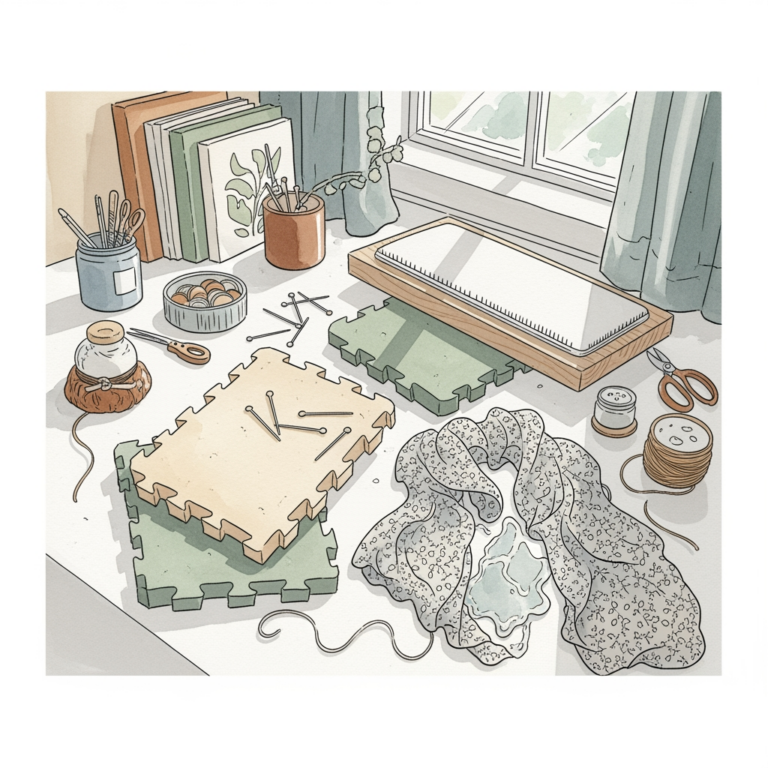
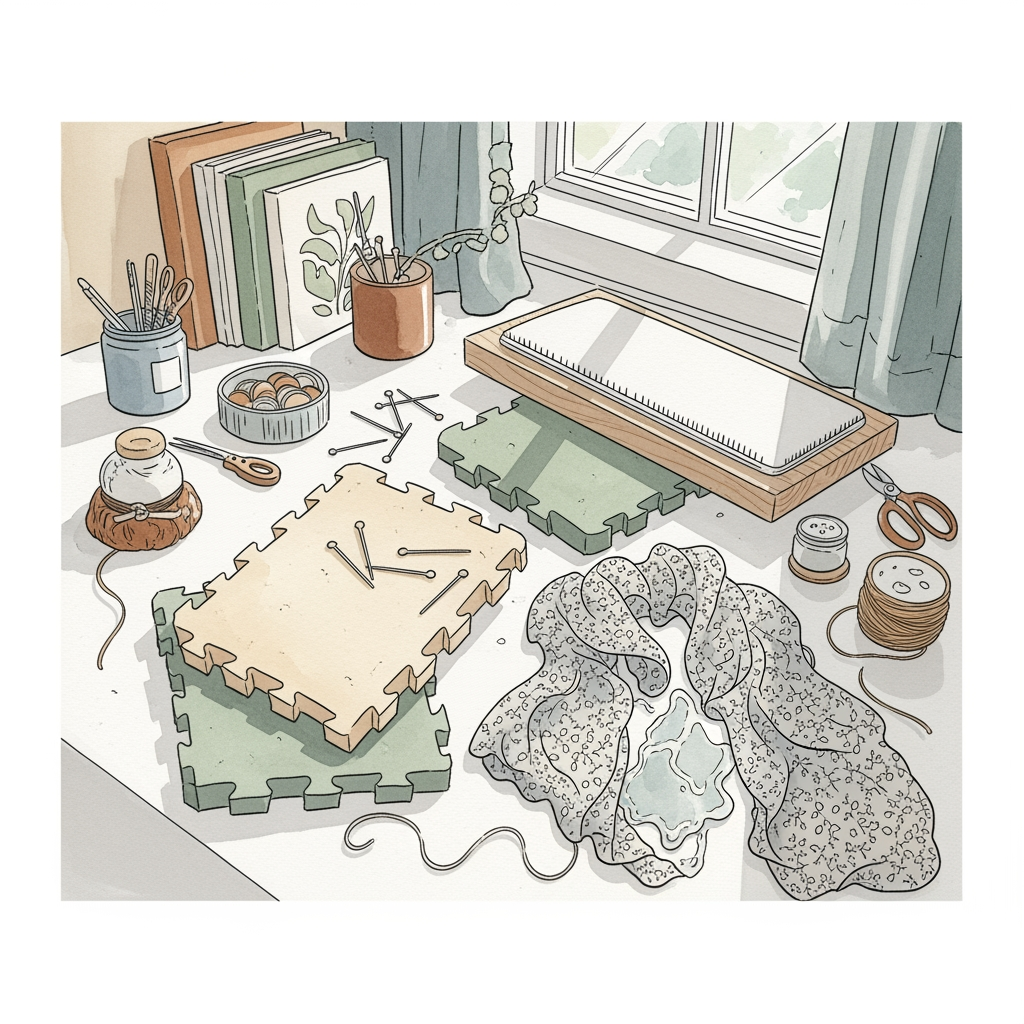
Steam blocking is the process of using heat and moisture to "set" your stitches and relax the yarn. When you knit, the yarn is under tension and often holds the memory of the ball it came from; steam releases that tension.
This process is non-negotiable for lace. Without steam, your yarn-overs and decreases remain tight and closed, hiding the beautiful, open structure of your design.
It also helps to even out your gauge. If your tension was slightly inconsistent during a long project, a good steam block can redistribute the yarn and make your stitches look uniform.
How to Safely Steam Different Fiber Compositions
Every fiber responds differently to heat, and knowing your yarn composition is the first rule of safe steaming. Always check your yarn label for care instructions before bringing a steamer anywhere near your project.
- Wool: Generally loves steam; it helps it bloom and soften.
- Acrylic: Be extremely careful; high heat can "kill" the acrylic, causing it to lose its structure permanently and become limp.
- Silk/Alpaca: Use a very light, indirect steam to avoid over-stretching the fibers.
- Cotton/Linen: These fibers are more resilient and can handle a bit more direct steam to relax their natural stiffness.
Never touch the steamer nozzle directly to the fabric. Always keep it at least an inch or two away to allow the steam to penetrate without crushing the stitch texture.
Avoiding Common Mistakes When Steaming Handknits
The most common mistake is over-steaming, which leads to a garment that is stretched out and lifeless. You want to relax the stitches, not pull them into a different shape entirely.
Another frequent error is not letting the garment dry completely before moving it. If you fold or hang a garment while it is still damp from steam, you are essentially "setting" it in a distorted shape.
Finally, avoid steaming too close to buttons or embellishments. Plastic buttons can melt, and wooden toggles can warp or lose their finish when exposed to direct steam.
Essential Tips for Refreshing Your Knit Garments
To keep your knits looking fresh, focus on preventative care. Steam is not a replacement for washing, but it is a perfect middle-ground for refreshing a garment that has been in storage.
Always hang your garment or lay it flat on a clean surface before you begin. Never steam a garment while you are wearing it, as the steam can easily burn your skin.
When you are finished, let the garment sit undisturbed for at least twenty minutes. This cooling-off period is when the fibers actually "lock" into their new, relaxed position.
Steaming is the final, transformative step that elevates your work from a handmade item to a professional-grade garment. By choosing the right tool and respecting the unique properties of your chosen fiber, you ensure your hard work lasts for years. Remember, patience is your most important tool in the blocking process. Happy knitting, and may your stitches always be perfectly aligned.