
6 Best Leather Cleaning Kits For Heirloom Accessories
Keep your vintage items looking pristine with our top 6 leather cleaning kits for heirloom accessories. Explore our expert recommendations and shop today.
Heirloom-quality leather accessories—like hand-stitched needle cases, project bags, or vintage notions pouches—are the workhorses of the knitting room. Much like a cherished wool sweater, these pieces require consistent care to prevent the drying, cracking, and brittleness that come from years of contact with lanolin, dye residues, and climate changes. Treating these accessories with the same respect as high-end fibers ensures they remain supple and functional for generations. Selecting the right leather cleaner is an investment in the longevity of your favorite tools.
Leather Honey Kit: Best Overall for Restoration


Leather Honey is the standard for bringing parched, long-neglected accessories back to life. It excels at penetrating deep into the fibers, which is essential if a vintage project bag has sat in a dry closet for years and lost its natural suppleness.
This formula contains no harsh solvents or chemicals, making it remarkably safe for high-quality hides. It creates a protective barrier that resists water and common knitting spills, such as accidental tea or coffee drops during a marathon lace-knitting session.
The tradeoff is the required curing time; leather treated with this product remains tacky for a significant period. Apply it only when the accessory can sit unused for at least a full day, as you do not want residual oils transferring onto your pristine alpaca or silk yarn.
Chamberlain’s Leather Milk: Best Gentle Formula
Chamberlain’s Leather Milk is often favored for heirloom pieces that are already in good condition but need light, regular maintenance. It is an incredibly gentle, water-based formula that feels more like a light lotion than a heavy grease.
This product is ideal for delicate, vegetable-tanned leather cases that hold your finest handmade crochet hooks or dpn sets. It cleans without stripping away the natural character or altering the color of the hide, keeping the grain looking authentic.
Since it is so light, it is not a heavy-duty restorer for cracked or extremely worn items. Use this for the routine “spa day” of your accessories, similar to how one might gently hand-wash a finished merino wool shawl to maintain its drape.
Chemical Guys Kit: Best Value All-in-One Option
For those who maintain a large collection of leather project bags, the Chemical Guys kit offers the most efficient path forward. This set includes a dedicated cleaner and a conditioner, allowing for a two-step process that ensures a deeper clean before sealing the leather.
The cleaner is effective at removing the day-to-day grit, stitch marker dust, and lint that accumulates in the corners of leather pouches. The conditioner then provides the necessary hydration without leaving an overly greasy residue.
While convenient, always remember that one size rarely fits all in leather care. Ensure the pH-balanced cleaner is applied lightly to avoid over-saturating the seams, especially on bags with delicate contrast stitching that could be prone to bleeding.
Bickmore Bick 4: Best for Preserving Patina
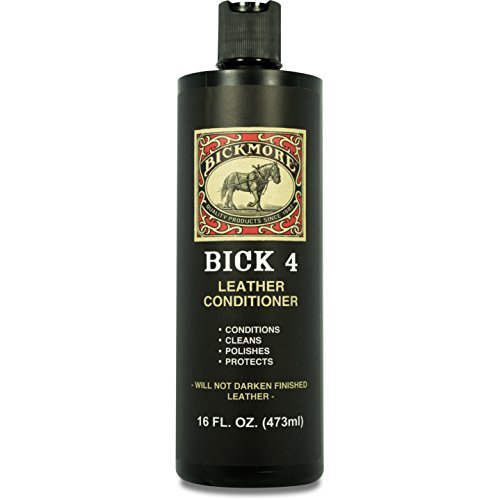
Bickmore Bick 4 is a cult favorite among those who prize the way leather develops character over time. It is a non-darkening formula, which is crucial if you have a light-colored or unfinished leather accessory that you do not want to see turn brown or muddy after treatment.
This product is thin and non-sticky, meaning you can treat your project bags and return them to service almost immediately. It is perfect for the knitter who is constantly on the go and cannot afford to wait 24 hours for a bag to dry.
The primary limitation is its lack of heavy-duty water resistance compared to wax-based balms. It acts primarily as a softener and a subtle cleaner, making it the perfect choice for the daily upkeep of items handled constantly during colorwork or complex cables.
Otter Wax Leather Care Kit: Best Natural Option
Otter Wax relies on plant-based waxes and oils, making it the preferred choice for those who avoid animal-derived fats in their conditioning products. It offers a robust, heavy-duty barrier that is excellent for protecting leather tools that might see outdoor use.
The salve provides a matte, water-repellent finish that is quite different from the glossy look of petroleum-based products. This finish helps protect against environmental moisture, which is beneficial if you carry your knitting in bags that might be exposed to damp transit conditions.
Because it is a wax-heavy product, it can darken leather slightly upon application. Test this on a hidden seam first to ensure the change in hue is acceptable for your specific item.
Saphir Renovateur: Best for Luxury Finishes
Saphir Renovateur is the gold standard for high-end, luxury leather goods. It is essentially a mink oil-based cream that provides unparalleled shine and nourishment, usually reserved for the finest calfskin or specialty goat leather.
If you have a high-value, artisanal notions pouch or a bespoke leather needle organizer, this is the product of choice. It improves the appearance of the leather significantly while providing a soft, luxurious feel that mimics the original finish of the piece.
It is an expensive investment, so reserve this for your most prized accessories rather than everyday carry bags. Treat it like the luxury yarn in your stash; use it sparingly and with intention to get the best results.
How to Choose the Right Kit for Your Leather Type
Selecting a leather care kit requires an assessment of the current state of the material. A well-worn bag needs deep conditioning, while a new, stiff accessory might only need a light protective spray.
- For soft, flexible leather: Use a creamy, oil-based conditioner to maintain suppleness.
- For rigid, heavy-duty leather: Wax-based formulas provide the necessary structure and water protection.
- For light-colored leather: Always choose a product specifically labeled “non-darkening” to prevent staining.
Consider the intended use of the accessory. If the bag holds wooden needles, you want a conditioner that won’t migrate onto the wood surface, which could affect the grip of your yarn.
The Importance of Spot Testing on Heirloom Pieces
Never apply a cleaning product to the entire surface of an heirloom item without testing a hidden area first. Even the most reputable cleaners can react unexpectedly with certain vegetable dyes or finishing treatments.
Choose an inconspicuous spot, such as the bottom of the bag or an interior flap, to perform your test. Apply a small amount, allow it to dry completely, and inspect for any changes in color, texture, or finish.
This step mimics the process of swatching before you cast on a sweater. You would never trust a complicated pattern to a new yarn without testing gauge and color bleeding, so do not trust an unknown cleaner on an expensive leather accessory.
Finished vs. Unfinished Leather: A Quick Guide
Finished leather has a protective coating applied during production, making it easier to clean and more resistant to spills. It feels slightly plastic-like and does not absorb liquids quickly.
Unfinished or “naked” leather, often used for high-end artisan goods, is highly absorbent and sensitive to oils. It develops a rich patina over time but is prone to water spots and stains.
- Finished: Use standard cleaners and conditioners; the goal is surface maintenance.
- Unfinished: Use extreme caution, as these leathers will soak up any liquid; favor light, wax-based balms and avoid heavy oils.
Knowing your leather type is as fundamental as knowing if your fiber is superwash or rustic wool. Treat the leather according to its specific construction to ensure it ages gracefully.
FAQs About Cleaning Your Leather Accessories
How often should I clean my leather knitting accessories? Clean and condition your items once or twice a year, or whenever the leather starts to feel dry and stiff to the touch.
Can I use these products on the leather cords of my circular needles? Be extremely cautious. Most leather cleaners will soften the cord and may leave a residue that makes your yarn slide poorly or attract dirt, interfering with your tension.
What happens if I get leather cleaner on my yarn? Stop immediately and use a gentle, wool-safe detergent to spot-clean the yarn. If the cleaner contains heavy oils, you may need to wash the yarn entirely to prevent stains.
Is it normal for the color to change when I apply conditioner? Yes, temporary darkening is common as the leather absorbs the oils, but it should return to near its original shade once fully dry.
Keeping your heirloom leather accessories in peak condition is a practice of patience and care, mirroring the commitment you bring to your craft. Whether you are caring for a simple notions bag or a custom-made needle case, selecting the right cleaner is the key to ensuring these tools remain a part of your knitting journey for years to come. Choose with care, test before you treat, and enjoy the lasting beauty of your well-maintained accessories.