6 Best Anti-Static Dryer Sheets For Synthetic Blends
Tired of clingy clothes? Discover our 6 best anti-static dryer sheets for synthetic blends to keep your fabrics smooth and static-free. Read our expert guide now.
Synthetic fibers offer incredible durability and vibrant color consistency, but their tendency to generate static electricity can be a persistent headache for the modern crafter. When friction builds up between needles and yarn—or when a finished project clings to every surface—the tactile joy of knitting is easily diminished. Managing this static requires balancing effective discharge agents with the delicate care that heirloom-quality knitwear demands. The following selections provide targeted solutions to keep your acrylic, nylon, and synthetic-blend projects looking and feeling their best.
Bounce Free & Gentle: Best For Sensitive Skin
Static cling is particularly frustrating when the finished garment is intended to be worn directly against the skin. Bounce Free & Gentle provides a reliable barrier against electrostatic buildup without the heavy perfumes that often trigger sensitivities.
For those who spend hours working with synthetic blends, this choice minimizes the risk of fabric irritation. It ensures that the final garment remains soft rather than creating a harsh, electrical charge during wear.
Consider this option if the project is intended for infants or those with delicate skin. It effectively neutralizes charge without leaving behind a film that might alter the hand or drape of your work.
Downy WrinkleGuard: For Wrinkle-Free Finishes


Synthetic fibers often hold onto storage wrinkles more tenaciously than their wool counterparts. Downy WrinkleGuard functions as a dual-purpose tool, addressing both the structural creases and the static charge that synthetic garments attract.
This is an excellent choice for structured items like vests or cardigans that require a crisp, professional appearance. By relaxing the fibers during the drying cycle, it prevents the permanent creasing that synthetic materials sometimes develop when left folded.
Be aware that extra-strength additives can sometimes make yarn feel slightly slicker. If the project features intricate cables or delicate lace, use these sheets sparingly to maintain the natural integrity of the stitch definition.
all Free Clear Sheets: Top Hypoallergenic Pick
Transparency in ingredients is vital when finishing garments that require frequent laundering. All Free Clear Sheets strip away the unnecessary dyes and fragrances that often interfere with the natural aesthetic of a project.
These sheets are ideal for items that need to be washed frequently, such as socks or kitchen accessories. They perform the necessary task of static reduction without adding any external scent that might clash with your home environment.
The bottom line is clarity. By choosing an unscented, dye-free option, the focus remains entirely on the fiber and the craftsmanship of the stitches.
Woolzies Dryer Balls: Best Reusable Alternative
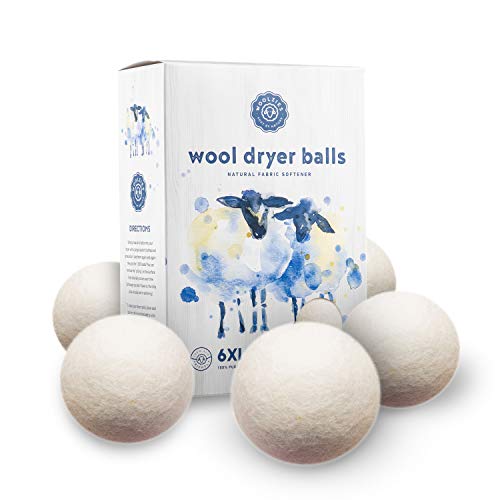
Dryer balls function on a mechanical principle rather than a chemical one, making them a unique addition to a knitter’s toolkit. They separate layers of fabric in the dryer, which naturally reduces the friction that leads to static buildup.
Because they contain no chemical coatings, they are the safest option for fibers that are prone to feeling waxy or coated. If you are working with a delicate synthetic blend that shouldn’t be exposed to softening agents, this is the superior method.
For optimal performance, use a full set of at least three to six balls to ensure proper airflow. While they do not provide the instant “zap” reduction of a chemical sheet, they offer a sustainable, long-term solution for maintaining fabric loft.
Static Guard Spray: For Quick, Targeted Zaps

Sometimes a project is already finished and off the needles when the static becomes apparent. Static Guard spray provides an immediate, localized solution for garments that have already been dried and folded.
This is the preferred method for dealing with finished garments that possess high synthetic content, such as polyester-blend shawls. A light misting can instantly release the static bond, allowing the fabric to drape naturally against the body.
Use this tool with restraint. Because it is a concentrated aerosol, keep the spray at a distance to prevent saturation or spot-staining on certain yarn finishes.
Mrs. Meyer’s Sheets: Best Plant-Derived Scent
Not every knitter wants a clinical, scent-free finish for their work. Mrs. Meyer’s offers a sophisticated alternative for those who enjoy a subtle, herbal aroma infused into their finished pieces.
These sheets rely on plant-derived ingredients to soften and de-static, offering a more natural profile than traditional brands. They are well-suited for garments that will be stored for long periods, as the light scent acts as a gentle, pleasant refresh.
The trade-off here is the presence of fragrance. If the knitted item is highly textured or delicate, perform a small test to ensure the fragrance oils do not interact with the specific dye or finish of the yarn.
Why Do Synthetic Knits Get So Much Static?
Synthetic fibers like acrylic, polyester, and nylon are inherently non-conductive. Unlike natural fibers that contain trace amounts of moisture, synthetics repel moisture, which allows electrons to build up rapidly through the friction of your needles or the tumble of a dryer.
This effect is amplified in low-humidity environments, which are common in many heated homes during the winter months. When you rub these fibers together while knitting, you are essentially charging them like a battery.
Understanding the physics of your yarn helps in selecting the right tools. If a yarn is labeled as a high-content synthetic, expect it to require more static management than a wool-nylon sock blend.
Are Dryer Sheets Safe For Hand-Knit Garments?
The primary risk of dryer sheets is the potential for wax or softener buildup on the fiber. While synthetic yarns are generally more resilient, excessive residue can dull the luster of the yarn or attract dust over time.
For delicate lace or high-twist yarns, it is best to avoid the dryer entirely whenever possible. Laying items flat to air dry naturally eliminates the mechanical friction that causes most of the static cling in the first place.
If machine drying is necessary, always use a low-heat setting. Excessive heat can permanently alter the structure of synthetic fibers, leading to a loss of elasticity and shape that no amount of anti-static treatment can correct.
Tips for Reducing Static While You Knit or Wind
If you notice static starting to build while you are winding a hank into a ball, pause and wipe your hands with a damp cloth. A tiny amount of moisture on the skin is often enough to discharge the yarn as it flows through your fingers.
Consider using a metal needle or a metal yarn bowl, as these can help ground the static charge as you work. Plastic and wooden tools, while comfortable, do not dissipate electricity and can actually contribute to the buildup as the yarn slides across them.
Keep a humidifier in your craft room if you live in a dry climate. A stable, moderate level of humidity is the most effective way to prevent static before it ever becomes a problem for your finished projects.
Choosing a Sheet for Acrylic, Nylon, and More
The decision-making process should be guided by the intended use of the garment. For high-friction items like socks, prioritize effective anti-static agents to prevent the “clinging” sensation during wear.
- For delicate or heirloom garments: Rely on wool dryer balls or air-drying to avoid chemical residue.
- For heavy-duty items (blankets, sweaters): Use scent-free dryer sheets to manage static without altering the fabric feel.
- For quick fixes: Keep a spray on hand for localized static relief after the garment is already finished.
Always check the fiber content label on your yarn. The higher the synthetic percentage, the more critical it becomes to manage static from the very first wash to ensure the longevity of the piece.
Mastering the balance between synthetic fiber care and static management is a hallmark of an experienced knitter. By selecting the right finishing tools and adjusting your drying habits, you ensure that every project remains as comfortable and beautiful as the day it was cast off the needles.