6 Best Sticky Notes For Brainstorming Worth Using
Boost your team’s creativity with our top 6 best sticky notes for brainstorming. Compare these must-have supplies and choose the perfect fit for your office.
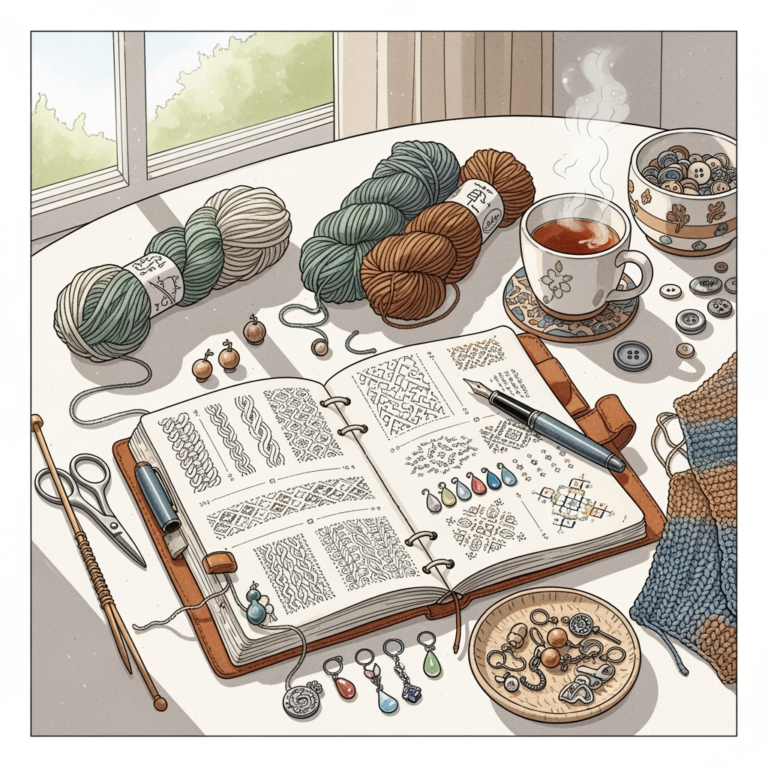
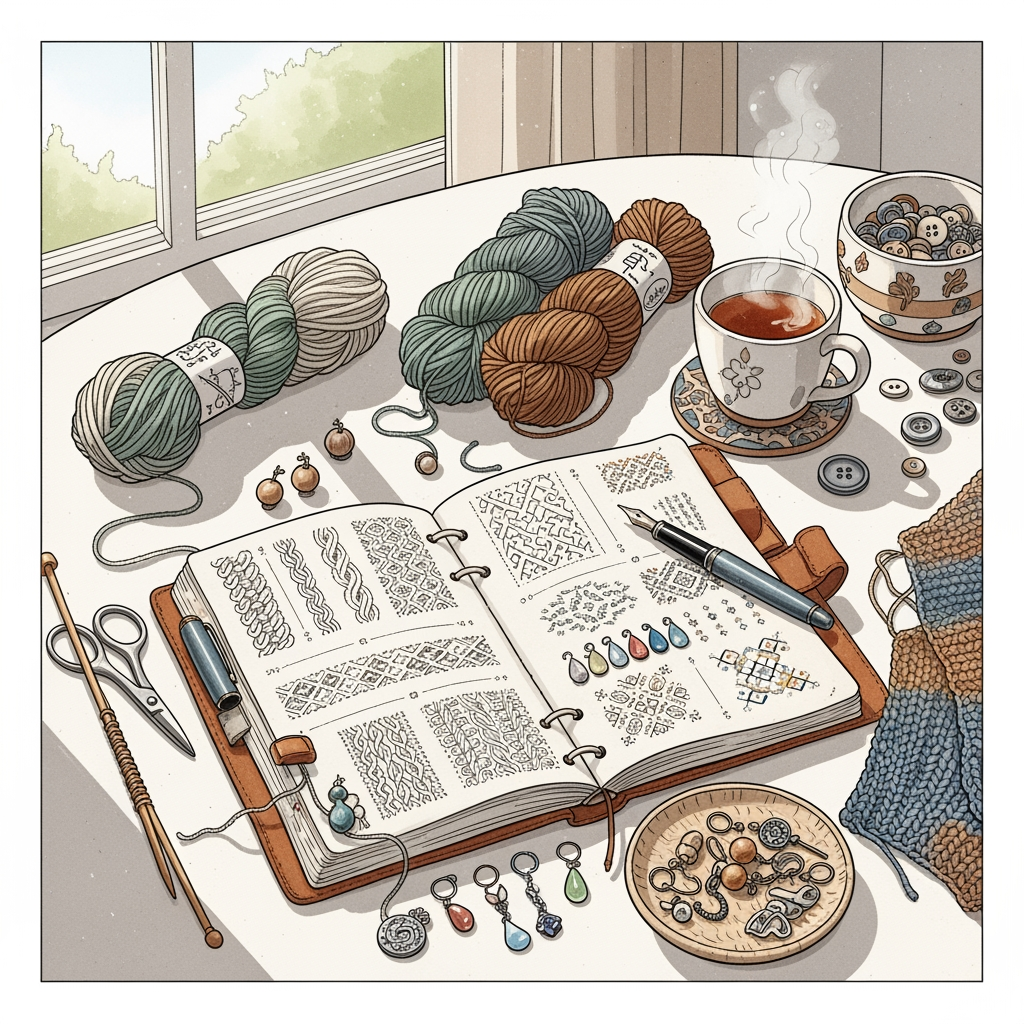
Brainstorming complex knitting projects requires more than just a pattern; it demands a system for tracking modifications, yarn substitutions, and stitch counts. Sticky notes serve as the ultimate low-tech interface for visual thinkers attempting to manage intricate designs. Choosing the right adhesive tool can mean the difference between a seamless project workflow and a frustrating tangle of loose papers. These six options offer varied solutions for keeping your creative process organized and efficient.
Post-it Super Sticky Notes: Best for Big Ideas


Reliability is the hallmark of any good tool, much like a trusted workhorse yarn like Peruvian Highland wool. These notes feature a more aggressive adhesive that ensures your schematics stay attached to pattern binders or project bags, even in humid environments where fiber might attract moisture.
When modifying a sweater pattern for a custom fit, these larger notes provide enough surface area to sketch out complex short-row shaping or sleeve decreases. Because they hold firm, there is no risk of losing critical measurement notes during long-term projects like a months-long heirloom blanket.
The trade-off here is the strength of the adhesive, which can occasionally leave a residue on delicate printed pattern pages. Use them on durable cardstock or laminated project cards to avoid damaging original documents.
M.C. Squares Stickies: The Best Reusable Option

For the knitter who constantly iterates on design elements—like testing different lace repeats or motif placements—reusable surfaces are invaluable. These notes function like a miniature whiteboard, allowing for endless erasing and rewriting without the waste of paper.
Because they are made of a dry-erase material, they are perfect for tracking row counts on a project that requires frequent stopping and starting. Simply wipe away the old row number and write the new one as you finish each set.
These are particularly useful for calculating gauge adjustments on the fly, especially when working with luxury fibers like silk-mohair blends that are tricky to rip back. Once the project is finished, the notes wipe clean, ready for the next design adventure.
Stattys Notes: Sticks Anywhere Without Adhesive
Stattys Notes utilize electrostatic charge rather than glue to cling to surfaces, which is a brilliant feature for the knitter who works in a cluttered space. They can be moved, repositioned, and smoothed out across almost any surface, from glass windows to fabric project bags.
Since they rely on static electricity, they will never leave behind sticky residue or tear the surface of your printed patterns. This makes them the safest choice for attaching notes directly onto expensive, printed knitting books that you want to preserve for years.
The downside is that they can lose their “stick” if they collect too much dust or lint from a project. Keep them away from stray wool fibers to ensure they maintain their electrostatic charge.
Post-it Easel Pad: Ideal for Group Brainstorming
Large-format brainstorming is essential when planning a complex knit-along or coordinating a guild project. These oversized sheets allow multiple knitters to map out yarn requirements, colorwork motifs, and project timelines in one central location.
When organizing a group project, having a visual space for everyone to contribute their ideas prevents the confusion often found in email threads or chat groups. It functions as a public display of the project’s progress, much like a master tracking board at a busy yarn shop.
Ensure you have a dedicated wall space or an easel to support these sheets. They provide the most “real estate” for complex mathematical calculations involving multiple sizes and needle gauges.
Arteza Sticky Notes Set: Best for Color-Coding
Color-coding is a highly effective way to manage different parts of a garment, such as color A, color B, and color C in a stranded project. Arteza offers a vast spectrum of shades that allow for clear, visual separation of complex colorwork instructions.
Using specific colors to represent different stitch patterns or techniques makes reading a chart much easier for the eyes. For instance, assign a cool tone to purl sections and a warm tone to knit sections to avoid losing your place in a complicated cable repeat.
The primary limitation with these sets is the adhesive quality, which is generally lighter than industrial-strength options. They are best suited for indoor use on stationary surfaces rather than for securing notes to fabric project bags that move around frequently.
Amazon Basics Notes: The Best Budget-Friendly Pick
Sometimes the best tool is the one you do not mind losing or using in excess. If your knitting studio is a place of constant motion and you frequently discard notes after a single row or stitch modification, these are a cost-effective workhorse.
They provide basic, functional adhesion that is sufficient for marking a specific spot on a printed pattern or keeping track of yarn-over increases. They do not offer the specialized coatings or electrostatic properties of high-end brands, but they perform the essential tasks of flagging and labeling without hesitation.
Understand that these notes may curl or lose their stickiness if exposed to changes in temperature. They are perfect for quick, disposable calculations but should not be relied upon for long-term project archiving.
Size, Stickiness, and Color: A Buying Guide
When selecting your brainstorming materials, consider how the physical properties of the note interact with your specific knitting habits. A note that is too small for a detailed colorwork chart will lead to frustration, while one that is too large may obscure vital instructions.
Key considerations include:
- Adhesive Strength: High-tack is best for project bags or heavy pattern binders; low-tack is essential for fragile paper.
- Surface Texture: Matte finishes are better for pencil and pen notations, while glossy finishes may require specialized permanent markers.
- Color Strategy: Use bright, contrasting colors to signal changes in technique or to alert yourself to important reminders like “check gauge” or “switch to larger needles.”
Prioritize the size that matches your standard pattern layout, and always verify that the adhesive won’t pull the ink off your paper. If you frequently knit on the go, choose notes that offer a stronger bond to withstand the jostling of a commute.
From Sticky Note Chaos to a Cohesive Project Plan
The transition from a scattered collection of sticky notes to a structured project plan requires a systematic approach to archiving. Once a section of your knitting is complete, consolidate your notes into a formal project notebook or a digital file to maintain a record of your work.
Avoid leaving notes stuck to your project for too long, as the adhesive can degrade over time, especially on synthetic fibers. Instead, photograph your sticky-note brainstorming sessions as a way to preserve your thought process without keeping physical remnants that might get lost.
Create a “project map” where notes are grouped by garment construction stages, such as “Foundation/Cast-on,” “Body Shaping,” and “Finishing.” This creates a logical flow that prevents the common pitfalls of losing track of your place in a multi-stage project.
Using Sticky Notes to Map Out a Knitting Pattern
Sticky notes are excellent for breaking down large, intimidating lace or intarsia patterns into manageable, bite-sized components. Assign one note to each specific repeat, and physically move it across the page as you progress through the stitches.
This technique is especially helpful when you are forced to work on a project in short, interrupted bursts. Because you have a clear marker for exactly where you left off, you can pick up your needles with confidence rather than needing to re-read multiple rows to orient yourself.
If you are working with a chart that requires counting WPI (wraps per inch) or keeping track of constant decreases, use a note to cover the rows you have already completed. This creates a “window” that keeps your focus exclusively on the next row, reducing errors caused by scanning the wrong line of a chart.
Tips for Better Brainstorming with Sticky Notes
Keep your notes as concise as possible; if you find yourself writing a novel on a two-inch square, it is time to switch to a larger format or a dedicated project log. Use shorthand notation that you understand, such as “K2tog” for “knit two together” or “SSK” for “slip, slip, knit.”
Always store your sticky notes in a temperature-controlled environment, as extreme heat can melt the adhesive and leave a permanent mark on your yarn or pattern. If you must leave a note on a finished garment during blocking, ensure it is placed on a non-porous area that will not be damaged by glue residue.
Ultimately, the best brainstorming system is the one that you actually use consistently. If a system is too complicated, it will become just another chore that keeps you away from your yarn; keep it simple, keep it visual, and focus on the joy of the stitch.
Effective organization in the knitting room is not about having the most expensive tools, but about having the right ones to support your unique creative process. By leveraging the physical utility of sticky notes, you can manage even the most demanding projects with ease and precision. Happy knitting.