6 Best Moth-Proof Storage Solutions For Wool To Use
Protect your favorite garments with these 6 best moth-proof storage solutions for wool. Shop our top picks to keep your collection safe and damage-free today.
The heartbreak of discovering a lace shawl riddled with tiny, jagged holes is a rite of passage no knitter ever wants to experience. Natural fibers like wool, alpaca, and cashmere are high-protein meals for moth larvae, making them magnets for infestation if stored improperly. Protecting a stash requires more than just tucking sweaters into a closet; it demands a tactical approach to sealing, monitoring, and environment control. These solutions provide the barrier needed to keep precious hand-knits and carefully curated yarn safe from hungry intruders.
Ziploc Space Bags: Best for Maximizing Space
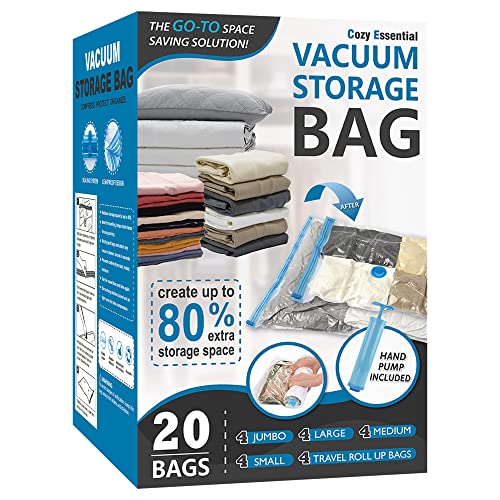

Compression bags are a favorite for those managing limited closet space, especially when storing bulky hand-knit sweaters or unused stash yarn. By removing air, these bags shrink the profile of wool garments significantly, making them easier to tuck into under-bed bins or tight shelves.
The true strength here lies in the airtight seal. Moth larvae cannot navigate through a properly locked plastic vacuum bag, effectively isolating the fiber from potential contamination. However, compression is a double-edged sword; avoid vacuum-sealing delicate, structured garments for months at a time, as the crushing force can permanently flatten the loft of wool or distort intricate cable work.
Use these for utilitarian items or hardy, rustic wools that can handle being squashed. If the fibers are prone to felting or possess a high-loft construction, skip the vacuum aspect and simply use the bags as airtight containers without removing all the air.
IRIS Weathertight Box: Best Hard-Sided Option
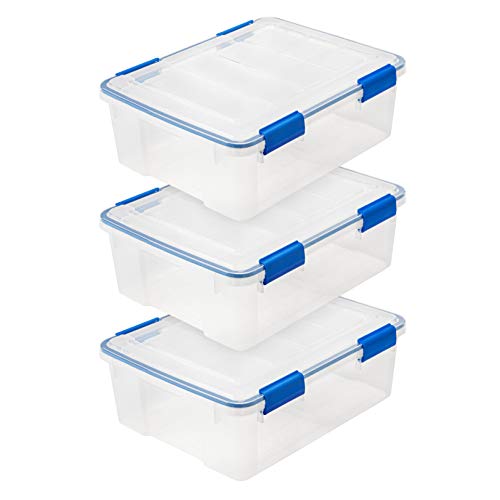
Hard-sided plastic bins with a silicone gasket seal offer the most reliable physical barrier against pests. Unlike standard plastic tubs that have small gaps around the lid where tiny moths can wiggle through, the weathertight gasket creates an impenetrable perimeter.
These bins are ideal for long-term storage of expensive skeins or finished heirlooms. They are stackable, durable, and clear, allowing for a quick visual inventory of the stash without needing to break the seal and expose the contents to the air.
Invest in the gasket-sealed versions specifically, as the cheap, non-locking lid containers provide little protection. For added safety, consider placing a small piece of acid-free tissue paper between the yarn and the plastic surface to prevent any potential chemical interaction over time.
Household Essentials Cedar Chest: Natural Repellent

Cedar has long been the traditional choice for fiber protection due to the natural oils contained within the wood, which act as a moth deterrent. A well-constructed cedar chest provides a beautiful, aromatic storage solution that functions without the use of harsh chemicals.
The efficacy of cedar depends entirely on the strength of its scent. Over time, the wood dries out and the essential oils dissipate, requiring a light sanding to refresh the aroma. Always ensure the cedar chest is properly closed, as a loose lid will allow the protective scent to escape and leave the contents vulnerable.
Be cautious when placing delicate wool directly against raw wood, as the tannins can occasionally stain light-colored fibers. Line the interior with a clean cotton sheet or acid-free paper to create a buffer while still allowing the scent to circulate.
Whitmor Vinyl Sweater Bags: For Finished Items

Vinyl garment bags are perfect for finished sweaters that need to remain hanging or neatly folded in a closet. These bags keep dust and pet hair off the knit surface, which is crucial because debris and skin oils act as attractants for moth larvae.
Most of these bags feature a zippered closure, which provides decent protection against wandering pests. While they are not as airtight as a vacuum bag or a gasket box, they offer an excellent middle ground for items worn more frequently.
If the goal is to store pieces for the entire off-season, prioritize bags that allow for a tiny amount of airflow while keeping the entry points sealed. Overly tight, non-breathable plastic can sometimes trap moisture, creating a damp environment that encourages mildew—a threat just as dangerous as moths.
Lineco Archival Box: For Preserving Heirlooms

Archival-quality boxes are the gold standard for storing hand-knit lace shawls, christening gowns, or sweaters intended to be passed down through generations. These boxes are constructed from acid-free, buffered materials that prevent the yellowing and fiber degradation that often occurs with long-term storage.
Using archival boxes ensures that the pH level of the storage environment remains neutral. This is vital for older fibers or rare, hand-dyed yarns that might be sensitive to the chemical outgassing of standard plastic containers.
These boxes are typically sturdy and deep, providing ample room to layer items with acid-free tissue paper. Keep them in a cool, dark room, as light exposure can bleach the colors of natural wool fibers even if they are shielded from moths.
The Laundress Storage Bag: Best Breathable Pick

Breathable storage bags are essential for high-quality natural fibers that need to “breathe” to avoid moisture buildup. These bags are usually made from heavy-duty cotton canvas, which keeps dust out while allowing air to circulate, preventing the trapped humidity that causes fiber rot.
While they do not provide the vacuum-sealed security of plastic, they are a better choice for long-term storage of delicate, high-end wools that might otherwise suffer in a synthetic environment. To boost their effectiveness against moths, pair them with cedar blocks or lavender sachets inside the bag.
Check these bags periodically for signs of dust or intrusion. They are best kept inside a secondary, sealed closet or a larger chest to provide that extra layer of defense against curious larvae.
How to Pick the Best Moth-Proofing for You
Choosing the right storage solution depends entirely on the nature of your stash. If you have a large volume of “workhorse” wool that sees heavy use, vacuum-sealed bags are the most efficient. For high-end, hand-dyed singles or delicate luxury blends, prioritize archival boxes and breathable materials.
Consider the environment in your home as well. If you live in a humid climate, avoid plastic bins that don’t have proper ventilation or desiccant packets, as trapped moisture will damage your wool faster than a moth ever could.
Ultimately, layering your defenses is the smartest approach. Use a primary barrier—like a gasket box—and supplement it with a secondary deterrent like cedar or pheromone traps to monitor for any potential activity.
Always Wash Wool Before Storing It—Here’s Why
Never store a sweater, even if it has only been worn once, without washing it first. Moth larvae are attracted not just to the wool itself, but to the traces of skin oils, perspiration, and food particles left behind by the wearer.
Even if a garment looks clean to the naked eye, these microscopic residues act as a beacon for pests. A thorough wash using a gentle wool wash will strip away these attractants and ensure the fiber is clean and neutral.
Allow the garment to dry completely before storing it, as any lingering dampness is a recipe for mold. Once dry, fold the item loosely to avoid long-term creasing, and place it immediately into your chosen protective storage solution.
Cedar, Lavender, or Mothballs: Which Works?
Cedar and lavender act as repellents, which means they discourage moths from entering an area, but they are rarely powerful enough to kill an existing infestation. They are excellent for maintenance and creating a pleasant-smelling environment, provided they are refreshed regularly.
Traditional mothballs, however, contain pesticides like naphthalene or paradichlorobenzene. These chemicals are toxic to humans and pets, and they leave a lingering, difficult-to-remove odor on the fibers.
For most home knitters, the combination of physical barriers—like airtight bins—and non-toxic repellents like cedar is the most effective and safe strategy. Reserve the heavy-duty chemicals for professional storage environments, and rely on meticulous cleaning and sealing for your personal stash.
What to Do If You Find Moths in Your Stash
If you spot holes, larvae, or the tell-tale webbing in your yarn or garments, remain calm but act immediately. Isolate the affected items in a sealed plastic bag and remove them from the vicinity of the rest of your stash to prevent the infestation from spreading.
For affected items, place them in the freezer for at least 72 hours. The extreme cold will kill all stages of moth development, including eggs and larvae. Afterward, wash the items thoroughly to remove any debris.
Thoroughly vacuum the storage area, including corners and floorboards, to remove any hidden eggs. Once the area is clean, consider using pheromone traps to monitor for any remaining adult moths before returning your stash to the shelves.
Effective moth-proofing is an ongoing process of cleaning, sealing, and monitoring rather than a one-time purchase. By choosing the storage method that best fits your specific fiber needs and maintaining a consistent cleaning routine, you can ensure your hard work stays protected for years to come.