
6 Best Garment Tags For Retail Packaging To Try
Elevate your brand with our curated list of the 6 best garment tags for retail packaging. Explore these durable, stylish options and upgrade your labels today.
Finishing a handmade garment marks the final victory after dozens of hours spent at the needles. A professional tag transforms that labor of love into a finished product that stands up to retail scrutiny. Selecting the right label is not just about aesthetics; it is about choosing a material that respects the drape and care requirements of the fiber used. These six tag options offer distinct solutions for every type of maker and project.
TheBeamCity UltraSuede Tags: For a Pro Finish


UltraSuede tags offer a sophisticated, soft texture that mimics high-end boutique apparel. They provide a supple finish that won’t scratch the skin, making them ideal for delicate baby sweaters or soft neck cowls.
Because these tags are synthetic and laser-engraved, they hold up exceptionally well to repeated wear. They do not fray at the edges, which is a common frustration with printed fabric labels over time.
These are best for makers who want a clean, minimalist look on luxury fibers like cashmere or alpaca. The material maintains its shape without being stiff, ensuring it moves naturally with the fabric.
AllThisWood Custom Wood Tags: Best Rustic Vibe
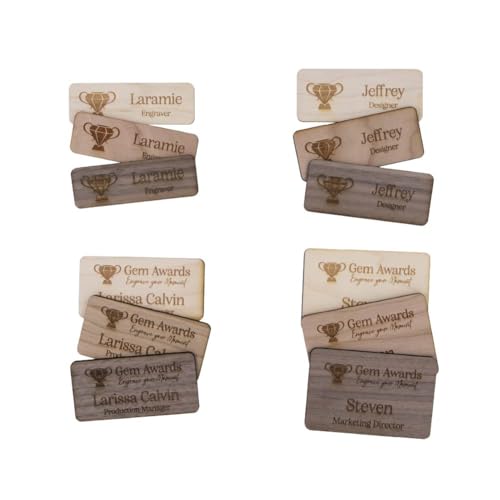
Wood tags inject an immediate, artisanal aesthetic into chunky knit projects. They pair perfectly with thick wools, rugged Aran sweaters, and home decor items like throw blankets.
The trade-off with wood is weight and rigidity. They can pull on lightweight lace or flimsy fabric, causing the stitches to distort or sag over time.
Always choose wood for items that have structure. Avoid placing these on items that require frequent machine washing, as constant agitation and moisture can cause the wood to splinter or the engraving to fade.
EverEmblem Metal Rivet Tags: For Modern Makers
Metal rivets provide a sleek, industrial aesthetic that bridges the gap between hand-knit and ready-to-wear. They anchor firmly to the fabric, providing a high-security placement that won’t flip or curl.
Metal tags work exceptionally well on dense, non-stretch fabrics like felted wool bags or heavy-duty winter coats. However, take care when applying them to fine gauge knitting; the metal can weigh down the fabric or create a cold point against the skin.
Ensure the backing plates are secure to prevent snagging on inner linings. For best results, use these on garments that don’t require daily laundering to avoid metal oxidation or damage to the fabric underneath.
Dutch Label Shop Woven Labels: Top for Branding

Woven labels remain the industry standard for clarity and longevity. The text is literally woven into the construction of the label, rather than printed on top, which prevents the logo from rubbing off after several trips through the laundry.
These labels are incredibly versatile and can be folded or laid flat against a seam. They offer a professional edge for knitters selling their work who need to display specific care instructions or fiber content clearly.
Opt for these when the project requires a soft, unobtrusive finish. They are the best choice for garments where comfort is the priority, such as summer cotton tees or long-sleeved layering pieces.
GrainDeep Cork Fabric Tags: Best Vegan Option
Cork fabric is a remarkable material for knitters seeking a sustainable, vegan, and water-resistant finish. It possesses a unique, earthy texture that is lighter than wood but significantly more durable than standard fabric.
Cork ages beautifully, developing a slight patina over time that suits the aesthetic of hand-dyed wool. It is remarkably soft against the skin, making it a safe choice for accessories like hats where the tag might touch the forehead.
If the goal is to balance professional branding with an eco-conscious ethos, cork is the top contender. Just ensure the tag is stitched on securely, as it does not have the same “give” as a woven label and may pull if snagged.
INK ME AND CO. Cotton Tags: For Washable Items
Cotton tags are the most breathable and unobtrusive option for clothing meant to be worn directly against the body. They are soft, flexible, and integrate seamlessly into the seams of handmade garments.
Because cotton is a natural fiber, it moves and stretches in tandem with wool and plant-based yarns. This prevents the “puckering” effect that can occur when a stiffer synthetic label is sewn into a stretchy ribbed collar.
These are the ideal choice for baby items or sensitive-skin garments. While they may soften and fade slightly after many wash cycles, that character often enhances the “handmade” charm of the piece.
Leather vs. Wood vs. Fabric: Choosing Your Tag
Selecting the right material requires an understanding of how the garment will behave in motion. A leather tag provides weight and gravitas but should not be subjected to heavy steam blocking or high-heat drying.
Wood is an aesthetic statement but remains brittle; it works best on static items rather than garments that require drape. Fabric remains the king of utility, as it respects the fiber properties of the yarn and survives the laundry without degradation.
Always match the tag’s density to the garment’s gauge. A heavy tag on a light, lacy shawl will ruin the drape immediately.
Sew-On vs. Rivets: Which Is Right for You?
Sew-on tags offer the most flexibility for the maker. They can be placed on almost any edge or seam and are easily replaced if the branding needs to be updated.
Rivet-style tags provide a semi-permanent finish that looks highly professional. They do not require sewing skills, but they do require a tool for punching the fabric and securing the back, which can be an intimidating hurdle for some knitters.
Consider the permanence of the project. If the garment is a heirloom piece, a securely sewn tag is usually preferred as it doesn’t leave large holes in the fabric if it needs to be moved or removed.
Designing Your Tag: Logo, Care, and Fiber Info
An effective tag should prioritize readability over decorative flair. Keep the logo simple and ensure the contrast between the text and the tag background is high, especially for small tags.
If space allows, include symbols for care instructions or basic fiber content, as this provides immense value to the recipient. A tag that says “Hand Wash Cold, Lay Flat to Dry” ensures the longevity of the hard work put into the item.
Avoid overcrowding the space. A clean, legible tag looks far more professional than one stuffed with too much information.
Best Tag Placement on Hats, Scarves, & Sweaters
For hats, the most common placement is at the brim or on the folded cuff, slightly off-center. This keeps the tag visible during wear without irritating the wearer’s forehead.
Scarves allow for more creative freedom, often looking best at the bottom corner where the tag can hang slightly off the edge. On sweaters, placing the tag inside the neck or along the bottom side seam provides a “ready-to-wear” feel that elevates the overall presentation.
Regardless of location, ensure the placement does not disrupt the pattern’s stretch or the structural integrity of the seam. Aim for locations that are visible to others but comfortable for the wearer.
The right garment tag serves as the final, polished signature on a masterpiece of fiber art. By choosing materials that complement the weight, care needs, and style of the piece, the transition from “handmade” to “professional retail quality” becomes effortless. Selecting a tag with intention honors the time and technical skill invested in every stitch.