6 Best Drying Hooks For Knitted Accessories To Own
Keep your handmade items in perfect shape with our top 6 drying hooks for knitted accessories. Read our expert guide and choose the best tools for your knits.
Blocking is the final, most transformative step in the knitting process, turning a limp, uneven fabric into a professional-grade garment. The right drying tools ensure that stitches settle into their intended dimensions without losing shape or suffering from gravity-induced distortion. Investing in proper equipment prevents the common tragedy of stretched-out ribbing or lopsided cuffs. These six drying aids represent the best ways to maintain integrity while your projects take their final form.
The Octopus Dryer: Best for Gloves and Hats


The octopus dryer is a clever, space-saving solution for small-circumference accessories. Its cascading, circular design allows for maximum airflow around items like mittens or hats, which often trap moisture in the fingers or crown.
Because these items tend to be knit in the round, uneven drying can lead to lingering dampness that promotes mildew. The octopus dryer keeps items suspended, ensuring that humidity doesn’t collect in the creases of your cables or colorwork.
This is the preferred method when living in smaller spaces where flat-blocking surfaces are at a premium. Always ensure the item is evenly distributed across the hanger to prevent the weight of the water from pulling the fabric into a distorted shape.
Bryspun Sock Blockers: Best for Perfect Sock Shape
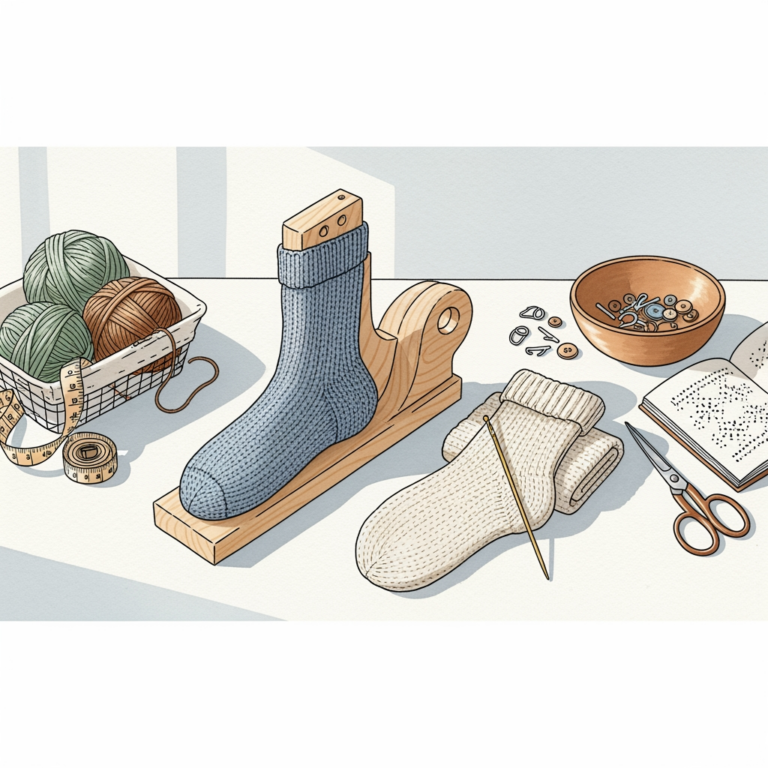
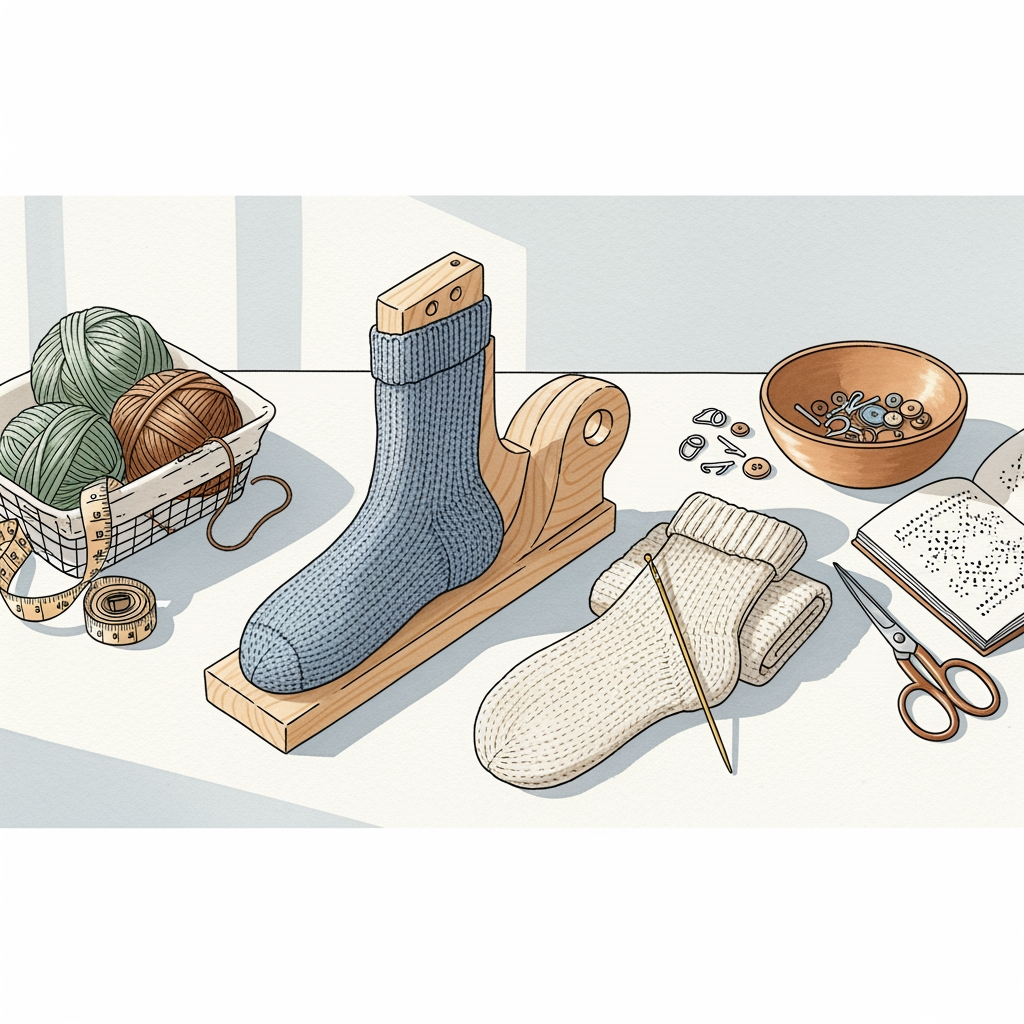
Sock blockers are essential for turning a utilitarian item into a display-worthy piece of art. Bryspun blockers provide a smooth, flexible contour that fills out the heel and gusset, which are the most common areas for “puckering” after a wash.
These blockers are particularly beneficial for lace-weight socks or complex cable patterns that need to be fully opened to show their design. Using a physical form ensures that every stitch is uniform, which drastically improves the appearance of the finished pair.
They are generally made from lightweight plastic, which is resistant to moisture and easy to wipe down. If socks are particularly tight, be careful not to stretch them beyond their natural ease, as this can lead to thin, sheer fabric that loses its elasticity over time.
KnitPicks Foldable Blockers: Best for Travel
Travel blocking requires tools that are lightweight, durable, and easily tucked into a project bag. Foldable blockers bridge the gap between permanent fixtures and improvised drying solutions, allowing knitters to maintain their gauge even on the road.
These tools are designed to snap together or fold into specific lengths, making them adaptable to different shawl sizes or sweater widths. For a knitter who attends retreats or finishes projects during long commutes, these are indispensable for blocking on the go.
The primary benefit is versatility. They allow for the expansion of lace shawls where tension needs to be distributed evenly across a long edge.
Aievrgad Hanging Dryer: For Hats and Cowls
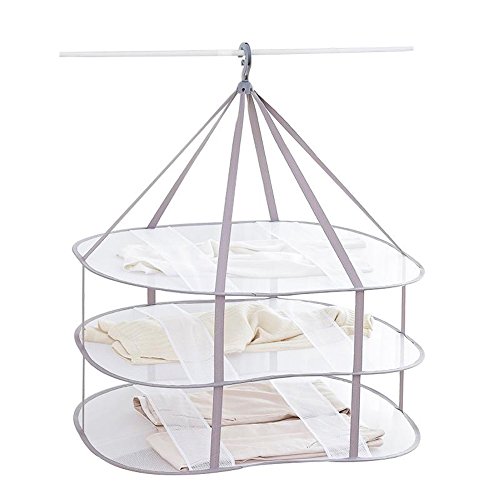
Hanging dryers with mesh shelving are ideal for items that require flat-drying but lack the surface area to do so effectively. By allowing air to circulate through the bottom of the mesh, they eliminate the need to constantly flip the garment.
This is the ultimate choice for heavy wool cowls that might sag if hung by a hook, but would take days to dry if laid on a solid towel. The mesh prevents the imprint of a hard surface from appearing on delicate stitches.
When using these, ensure they are placed in a location with steady airflow. Avoid putting them directly under a strong heat source, which can shock sensitive animal fibers and lead to unintended felting or shrinking.
Stainless Steel S-Hooks: The Versatile Budget Pick
Stainless steel S-hooks are the utilitarian workhorses of the knitting room. They are perfect for suspending items from shower rods or clotheslines when space is tight.
They are especially useful for blocking damp swatches before starting a large garment, as they allow for easy clipping without rusting. Always choose marine-grade stainless steel to avoid any chemical reaction with the moisture in the yarn.
Since they lack the shaping forms of specialized blockers, use them to hang items that are already structured or for drying flat items vertically if gravity won’t compromise the piece. They are an essential part of any low-cost, high-utility toolkit.
Cedar Hanger Rings: Best for Wool Moth Repelling

Cedar rings are a functional luxury for knitters who store their finished wool garments for long periods. While they aren’t for the initial drying process, they are the best tools for finishing that process inside a closet.
The natural oils in cedar act as a deterrent for moths, which are the greatest enemy of protein-based fibers like wool and alpaca. Placing these on hangers with your knitwear ensures that the scent is concentrated right where the fabric is most vulnerable.
Regularly sand the rings lightly to reactivate the scent. This small, proactive step is far more effective than trying to repair damage once it has already occurred.
Choosing a Dryer Based on Your Project’s Fiber
The fiber content of a project dictates how much weight it will hold when wet. Plant-based fibers like cotton and linen become heavy and prone to stretching, while animal fibers like wool have a memory that helps them retain their shape.
- Wool: Resilient and holds shape well, but sensitive to heat. Use mesh dryers to allow airflow.
- Cotton/Linen: Heavy and prone to sagging. Dry these flat rather than hanging, unless the structure is very simple.
- Acrylic: Does not absorb much water but can stretch if hung improperly. Use sturdy, supportive blocking tools to maintain dimensions.
- Silk/Alpaca: Delicate and susceptible to gravity. Always use flat-blocking surfaces or highly supportive forms to prevent permanent deformation.
Metal vs. Plastic Dryers: Which Is Safer for Yarn?
Plastic dryers are generally lighter and easier to clean, making them a safe, low-maintenance choice for most knitters. They do not react with moisture and are unlikely to snag delicate fibers if the surface is finished smoothly.
Metal dryers, particularly those made of stainless steel, offer superior durability and are less likely to bend under the weight of heavy, wet garments. However, ensure that the metal is coated or stainless to avoid rust, which causes irreparable staining.
If you are working with lace or high-twist yarns, avoid any tool with rough edges or seams. A quick check with a pair of nylon stockings can reveal if a tool is smooth enough; if the stocking snags, the yarn will too.
How to Hang Wet Knits to Avoid Stretching
Hanging a wet, heavy sweater by the shoulders is the quickest way to ruin the fit. Water-logged wool acts like a weight, pulling stitches until they lose their original gauge and elasticity.
If you must hang an item to dry, distribute the weight by draping it over a thick, padded hanger or using a multi-tiered drying rack. This prevents the formation of “shoulder bumps” or elongated necklines that occur when a garment is suspended from a single point.
Always squeeze, never wring, your knits before hanging them. Wringing breaks fibers and twists the yarn structure, leading to a distorted finished product that no amount of blocking can fully correct.
Can You Use a Clothes Dryer for Knitted Items?
Standard clothes dryers are generally contraindicated for hand-knitted items. The combination of intense heat and mechanical agitation will cause wool to felt, meaning the fibers interlock permanently until the item becomes stiff and shrunk.
Even for superwash wool, which is treated to resist felting, the tumble action can cause severe pilling and distortion. The only exception is items specifically made from high-quality, synthetic fibers meant for heavy wear, and even then, air-drying is the superior choice for longevity.
If you must speed up the process, use a fan to increase airflow in the room rather than adding heat. A consistent, cool breeze is the safest way to expedite the drying of any handmade accessory.
Proper drying is the difference between a project that looks handmade and one that looks handcrafted. By choosing the right tool for the fiber and weight of your work, you ensure that the hours spent at your needles result in a piece that lasts for years. When in doubt, prioritize support and airflow to keep those stitches in their intended place.