
6 Best Skin Softening Treatments For Summer Prep
Get your skin ready for the sunshine with these 6 best skin softening treatments. Discover expert-approved methods to achieve a smooth, radiant glow today.
Summer knitting brings unique challenges, particularly when humidity meets delicate natural fibers like silk, cotton, or fine-gauge wool. Rough patches and dry skin can snag expensive yarn, leading to frustrating pilling or fiber breakage during intricate lace work. Proper hand care isn’t just about comfort; it is a vital part of maintaining the integrity of the project throughout the process. Selecting the right treatment requires balancing intensive moisture with the need for a finish that won’t ruin the tension or texture of the fiber.
O’Keeffe’s Working Hands: The Gold Standard


O’Keeffe’s is widely considered the heavy-duty solution for knitters who suffer from deep, painful cracks caused by dry winter air or heavy-duty fiber handling. Its thick, concentrated formula is designed to increase moisture levels immediately upon application.
Because this cream is highly concentrated, a very small amount goes a long way. Excessive application can create a waxy film that is detrimental when working with high-twist yarns, as the residue can transfer to the fiber and dull its natural luster.
Use this product primarily as an overnight treatment or during long breaks between projects. It is the ideal choice for repairing skin damaged by the friction of working with rough, high-lanolin wools.
The Laundress Hand Cream: A Gentle Luxury

The Laundress offers a sophisticated approach to hand care, focusing on ingredients that mimic the skin’s natural oils without feeling heavy or artificial. It is often preferred by those who work with delicate luxury fibers like cashmere or mohair, where maintaining clean, non-greasy hands is paramount.
The formula absorbs rapidly, leaving no tacky residue that might attract dust or lint to a WIP (Work-In-Progress). For knitters who pick up their needles intermittently throughout the day, this cream provides enough hydration to prevent snags without necessitating a post-application hand washing.
Consider this the “daily driver” for your knitting bag. It balances effective hydration with a clean finish that protects the yarn from the oils and residue that cause long-term fiber degradation.
Badger Balm for Hardworking Hands: All Natural
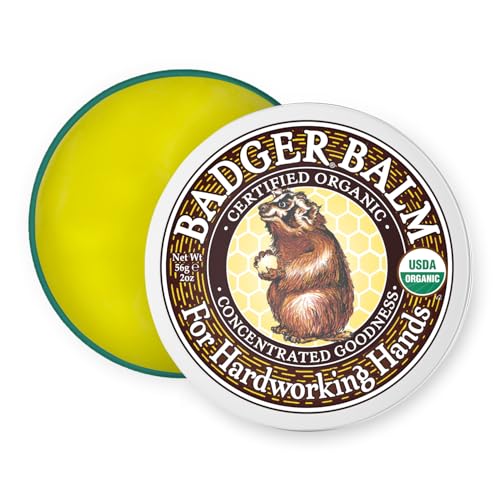
Badger Balm relies on high-quality, plant-based waxes and oils to create a protective barrier. This makes it an excellent choice for knitters who are sensitive to the chemical fragrances or synthetic silicones often found in mass-market lotions.
The texture is firm and requires the heat of the hands to melt, which serves as a natural massage for tired knuckles and wrists. However, this wax-heavy consistency can be risky if applied immediately before knitting.
If using this before picking up your needles, apply it ten minutes in advance to allow for complete absorption. It works wonders for “knitter’s thumb”—that persistent dryness caused by tensioning the yarn against the skin for hours on end.
Lansinoh Lanolin Cream: A Knitter’s Secret

Lanolin is the natural oil found in sheep’s wool, making it the most biologically compatible moisturizer for those who spend their lives surrounded by fiber. While marketed for other uses, it is a staple in the knitting community for its ability to soften even the most stubborn calluses.
This product is extremely thick and tacky. Use it sparingly, focusing only on the fingertips or specific rough spots rather than covering the entire palm.
Because lanolin is essentially pure wool fat, it won’t damage natural animal fibers if a tiny amount transfers to the yarn. In fact, some might argue it adds a touch of conditioning to the project itself.
Glove In A Bottle Shielding Lotion: Non-Greasy

Glove In A Bottle functions as a “shield” that bonds with the outer layer of skin rather than just sitting on top of it. It prevents the loss of natural oils, which is a major advantage for knitters working with moisture-wicking fibers like alpaca or merino.
The primary benefit is that it is virtually undetectable to the touch once dry. For someone working on a complex colorwork project where even the slightest bit of sweat or grease could alter the drape or gauge, this creates a clean interface between skin and yarn.
It is particularly useful for those who find that standard lotions make their hands slide too easily on metal needles. It offers protection without sacrificing the tactile feedback needed for precision work.
Burt’s Bees Lemon Cuticle Cream: Nail Care
Snagging a piece of silk or thin mohair on a jagged cuticle is a nightmare for any knitter. Burt’s Bees Lemon Cuticle Cream addresses the specific area where skin meets nail, ensuring the cuticle is soft and pliable.
Keeping cuticles healthy prevents the micro-tears that catch on yarn fibers. A well-manicured, soft nail bed ensures that the yarn glides smoothly over the fingertips as it passes toward the needle point.
Apply this in the evenings rather than during a knitting session. The citrus scent is refreshing, but the buttery texture is best left to soak in while resting the hands from the repetitive motion of long-term projects.
How to Pick a Project-Safe Hand Treatment
Choosing the right treatment depends entirely on the fiber you are currently holding. When working with natural fibers like wool, cotton, or linen, you must prioritize products that leave zero residue, as oils can permanently stain or alter the color of light-colored yarns.
Synthetic fibers, like acrylic or nylon blends, are more forgiving but can still pick up dirt and dust if your hands are sticky. Always consider the “finish” of the cream before purchasing:
- Fast-absorbing/Dry-finish: Best for complex patterns and light-colored fibers.
- Wax/Oil-heavy: Best for overnight repair or extremely dry, cracked skin.
- Fragrance-free: Recommended for those who are sensitive to chemicals, as some scents can linger on the yarn long after the project is finished.
Key Ingredients to Soothe Knitter’s Hands
When reading labels, look for ingredients that provide deep hydration without the “slip.” Shea butter and cocoa butter are excellent for long-term repair, while glycerin acts as a humectant that pulls moisture into the skin.
Avoid mineral oils or heavy petroleum-based products if you are working on a piece that will eventually be blocked and displayed. These ingredients can interfere with the way fibers interact with water during the blocking process, potentially causing uneven tension or spotting.
Focus on ingredients that promote skin elasticity. As needles cause constant friction, maintaining skin that is both soft and resilient is the best way to prevent the formation of painful, deep-seated calluses that can eventually change your knitting tension.
Applying Lotion Without Ruining Your Yarn
The biggest mistake a knitter can make is applying lotion immediately before grabbing a project. If you must use a heavy cream, plan your knitting sessions around your skincare routine.
Apply thick, wax-based balms or heavy creams at least 30 minutes before knitting. If you are in the middle of a project and feel dry, use a lightweight, fast-absorbing lotion and give it a moment to fully disappear into the skin.
If your hands feel oily, use a dry cloth or a piece of untreated cotton to wipe the excess from your fingertips. Never use your project itself to wipe away excess lotion, as this will trap oil and dust deep within the twist of the yarn.
DIY Hand Scrub for a Pre-Knitting Reset
A gentle pre-knitting scrub is an excellent way to remove dead skin cells that cause snags. A simple mixture of fine-grain sugar and a light oil, such as grapeseed or sweet almond oil, works wonders.
Gently massage the mixture into your hands for one minute, paying extra attention to the fingertips. Rinse thoroughly with lukewarm water and pat dry with a clean towel.
This process ensures that your hands are perfectly smooth and clean before you cast on. It also provides a moment of mindfulness, preparing the hands for the intricate work of the project ahead.
Taking the time to care for your hands is as essential as choosing the right needle size or fiber weight. By selecting products that prioritize both skin health and project integrity, you ensure that your hands remain as reliable as your tools, season after season.