6 Best Sewing Oils For Machine Maintenance That Last
Keep your machine running smoothly with our top 6 picks for long-lasting sewing oils. Extend your machine’s lifespan and improve performance; read our guide now.
A well-maintained sewing machine is as essential to a high-quality finished garment as the right needle is to a perfect sock. Just as a blunt or bent knitting needle can snag delicate silk-mohair, a neglected sewing machine can mar hours of meticulous work with skipped stitches or tension errors. Keeping your internal mechanical components lubricated ensures the smooth, rhythmic motion required for precision seams and complex quilting patterns. Choosing the right oil is the first step toward extending the lifespan of your machine and protecting your textile investment.
Singer All-Purpose Machine Oil: Best Overall
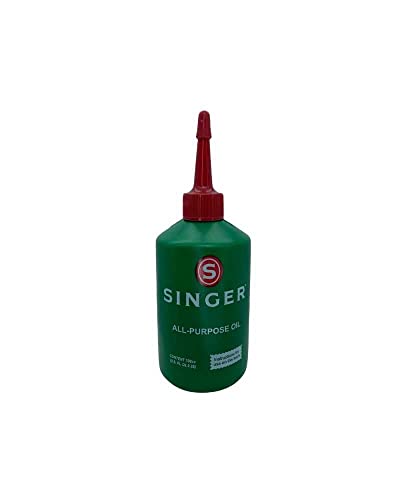

This classic lubricant serves as the industry standard for a reason. Its formulation is designed to be thin enough to penetrate tight clearances but stable enough to resist gumming up over time.
For anyone who relies on a machine for general construction—like piecing cotton quilts or sewing standard apparel seams—this oil offers the best balance of availability and reliability. It effectively reduces the friction that leads to overheating, much like ensuring high-quality smooth needles allow for faster, more even tension during stranded colorwork.
The bottom line is simple: this is the safest “set it and forget it” option for most modern home machines. If your machine is a workhorse that handles everything from cotton jerseys to sturdy canvases, keeping a bottle of this on hand ensures consistent performance without the need for specialized research.
Liberty Oil Synthetic Lubricant: Best Synthetic

Synthetic lubricants offer a significant performance upgrade over traditional mineral oils by remaining liquid across a wider temperature range. Because they are chemically engineered, they do not oxidize or turn acidic, which is vital for the longevity of internal plastic gears and metal housings.
If your sewing machine sees heavy, daily use, synthetic oil is the superior choice. It clings to moving parts longer than mineral-based alternatives, meaning you can go slightly longer between maintenance sessions without risking metal-on-metal wear.
Think of this like choosing high-performance nickel-plated needles over basic steel; the slicker surface and improved durability make the mechanical process feel effortless. While it comes at a higher price point, the prevention of internal residue buildup makes it a smart long-term investment for a machine you intend to keep for decades.
Lily White Sewing Oil: Top Choice for Vintage

Vintage sewing machines, much like heirloom wooden knitting needles, require specific care to remain functional. These machines often have looser tolerances than modern computerized models, and Lily White oil provides the perfect viscosity for their older, cast-iron mechanical systems.
This oil is highly refined, clear, and specifically designed to prevent the staining of delicate fabrics that can sometimes occur with lower-grade, yellowed oils. It is the gold standard for restorers who value keeping vintage hardware in pristine working condition.
Because it lacks the additives found in modern “all-purpose” formulas, it won’t react negatively with the older metal alloys or aged lubricants found inside classic machines. If you are refurbishing a vintage sewing machine, reach for this to ensure the internal mechanisms run as smoothly as the day they left the factory.
Juki Defrix Oil No.1: Pro Pick for Sergers

Sergers and overlock machines operate at much higher speeds than standard sewing machines, creating intense friction that requires a specialized, heat-resistant lubricant. Juki Defrix is a premium Japanese-engineered oil that handles this high-velocity demand with ease.
Using a standard oil in a high-speed serger is akin to using standard wool for a project that requires heavy-duty friction resistance; the material simply won’t hold up under pressure. This oil is specifically formulated to withstand the heat generated by the fast-moving looper drives found in industrial and professional-grade machines.
For those who do heavy garment production or work with difficult fabrics, this oil is essential. It provides a level of protection that prevents the “seizing” of delicate components, ensuring the machine remains reliable throughout long, demanding projects.
Zoom-Spout Oiler: Best for Precision Oiling

Precision is critical when maintaining a sewing machine, as applying too much oil is often worse than applying none at all. The Zoom-Spout Oiler features a unique, extendable neck that allows you to reach deep, recessed points in the machine frame without making a mess.
Many maintenance issues stem from over-oiling, which can attract lint and dust, creating a thick paste that eventually jams the machine. The design of this bottle makes it nearly impossible to over-apply, keeping your workspace—and your fabric—clean.
This is the best tool for those who find the tight, cramped spaces of their machine’s interior intimidating. By allowing you to place exactly one drop on the specific friction point, it eliminates the guesswork and helps maintain a cleaner, more efficient internal environment.
Treadle-Lite Clear Oil: Best for Treadle Machines
Treadle machines are a marvel of mechanical simplicity, but they rely entirely on the operator to maintain momentum through a series of linkages and pivots. Treadle-Lite oil is engineered to be exceptionally thin, allowing it to migrate easily into the intricate joints that define the treadle-sewing experience.
Because these machines are often manually operated, the drag created by thick, stagnant oil is immediately noticeable in the resistance you feel through your feet. This lubricant minimizes that drag, making the treadling motion fluid and effortless.
If you are preserving a family heirloom or enjoying the tactile nature of treadle sewing, prioritize this oil. It keeps the antique metal connections moving freely without leaving behind the heavy, gummy residue that can make older machines feel sluggish and heavy.
How Often Should You Oil Your Sewing Machine?
The frequency of oiling depends entirely on how much you sew. A general rule of thumb is to oil your machine after every 10 to 20 hours of operation, or if the machine has been sitting idle for several months.
Consider the environment as well. If you live in a dry climate or frequently sew with dusty fibers like raw linen or cotton, you may need to clean and oil more often to keep lint from mixing with the lubricant.
Listen to your machine; a change in the sound of the motor or a slight increase in resistance is a clear indicator that it is time for maintenance. Consistent, small applications of oil are significantly better for the machine than infrequent, heavy dousing.
Where to Oil Your Machine: A Quick Visual Guide
Always consult your machine’s manual first, as every model has specific oiling ports clearly marked with small holes or red paint. Generally, you should focus on the needle bar, the take-up lever, and the bobbin assembly area.
Focus on metal-on-metal contact points where you see wear or friction. Avoid getting oil on rubber belts, plastic friction drives, or the electrical components, as these materials can be degraded or short-circuited by improper lubrication.
After oiling, run the machine on a scrap piece of fabric for a few minutes to distribute the lubricant. This step is non-negotiable, as it allows any excess oil to be absorbed by the scrap instead of ruining your current project.
Mineral vs. Synthetic Oil: What’s the Difference?
Mineral oil is derived from petroleum and is the traditional choice for sewing machines. It is affordable and effective, but it has a natural tendency to oxidize, thicken, and potentially turn acidic over several years of storage.
Synthetic oil is engineered in a laboratory to maintain a consistent viscosity regardless of heat or age. It does not contain the impurities found in mineral oil, meaning it won’t break down into sludge inside your machine’s tight bearings.
If you are an occasional sewist, high-quality mineral oil is perfectly adequate. However, for those who maintain a collection of machines or use their equipment daily, the stability of synthetic oil offers superior peace of mind.
Can You Use 3-in-1 Oil on a Sewing Machine?
The short answer is no; you should avoid using standard 3-in-1 household oil on your sewing machine at all costs. While it may lubricate effectively in the short term, 3-in-1 oil contains additives designed for heavy-duty door hinges and garden tools, not fine-tuned mechanical instruments.
These additives can gum up the internal gears of a sewing machine within a few months, turning your smooth-running machine into a sluggish, jammed mess. Furthermore, the oil can attract lint and dust rapidly, creating a hardened, abrasive paste that will eventually cause internal parts to grind and fail.
Stick to oils labeled specifically for sewing machines or precision instruments to ensure the integrity of your equipment. The cost of a dedicated bottle of machine oil is a fraction of the cost of a professional cleaning or a machine replacement.
Maintaining your sewing machine with the correct oil is an act of care that pays dividends in stitch quality and machine longevity. By selecting the right lubricant for your specific model and usage patterns, you ensure that every project—from simple repairs to intricate garments—remains a joy to craft.