6 Best Warping Pegs For Small Table Looms To Try
Upgrade your weaving setup with our top 6 picks for warping pegs for small table looms. Compare these reliable options and find the perfect fit for your craft.
Warping a table loom often feels like the most daunting hurdle between a fiber artist and their next project. Without the right pegs, maintaining consistent tension across the warp becomes an exercise in frustration that can ruin even the most expensive hand-dyed wool. Sturdy, well-positioned pegs translate directly into a balanced fabric that behaves predictably during blocking and finishing. Selecting high-quality hardware ensures the loom remains a reliable instrument rather than a source of recurring technical tension.
Schacht Warping Pegs: Best Overall Sturdiness


Schacht sets the industry standard for sheer structural integrity, which is vital when working with high-tension warps. These pegs are engineered to withstand the significant pull exerted by cotton or linen yarns that lack natural elasticity.
When a project demands a long warp, the last thing needed is a peg that flexes or shifts under pressure. These pegs remain rock-solid, ensuring every thread follows the exact same path from start to finish.
The build quality is the primary selling point here. If the goal is a tool that will last through decades of weaving, this is the investment to make.
Ashford Warping Pegs: The Most Versatile Option
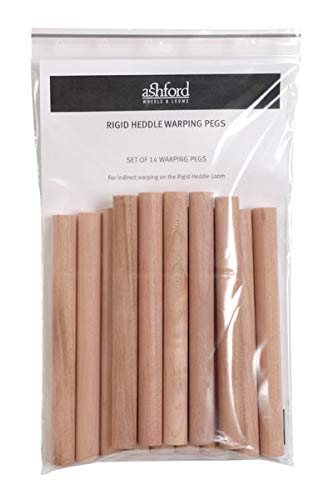
Ashford pegs are designed with the modern hobbyist in mind, offering a degree of flexibility that many other brands overlook. They fit seamlessly into a wide variety of loom frames, making them a safe choice if the current setup involves multiple small looms.
The design favors ease of installation and removal, which is ideal for weavers who share a workspace or frequently break down their looms. They are perfectly adequate for standard wool or alpaca projects that don’t require extreme tension.
Keep in mind that they are lighter than their professional-grade counterparts. For very tight, high-tension warps, consider if the additional stability of a heavier peg is required.
Kromski Warping Pegs: Best for Table Protection
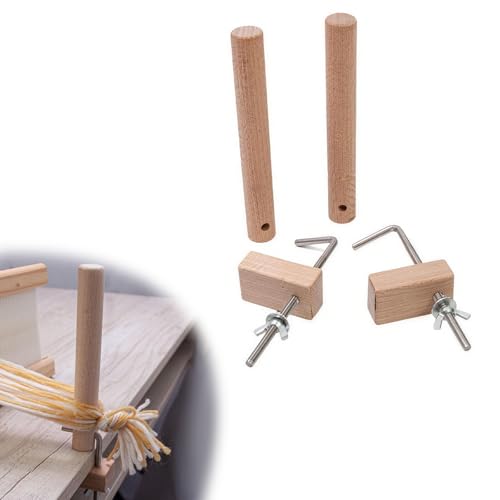
Kromski understands that a loom is often placed on a cherished piece of furniture, and they have optimized their pegs with heavy-duty padding. These pegs are the gold standard for anyone concerned about scratching or marring delicate wood surfaces during the setup process.
The attachment mechanism is exceptionally gentle, distributing pressure evenly to prevent surface compression. This is a critical feature when weaving in temporary spaces like a dining room table.
They provide a secure grip without the need for aggressive tightening. This balance of safety and utility makes them an excellent choice for those who value the longevity of both their loom and their furniture.
Beka Warping Peg Set: Top Budget-Friendly Pick

Beka pegs offer a no-frills, functional approach that gets the job done without unnecessary expense. They are straightforward, reliable, and get the warp on the loom exactly where it needs to be.
They are particularly suited for beginners who are just starting to experiment with rigid heddle or small table looms. There is no reason to overspend on high-end hardware while developing foundational warping skills.
While they may not offer the aesthetic polish of premium brands, they provide the essential function required for any successful warp. Expect a functional tool that performs exactly as advertised.
Glimakra Warping Pegs: Premium Swedish Design
Glimakra is synonymous with serious, professional-grade weaving equipment that emphasizes precision above all else. These pegs are crafted with an attention to detail that becomes apparent the moment the first thread is wound.
The geometry of these pegs encourages smooth tensioning, reducing the likelihood of accidental tangles or loops. This is particularly beneficial when working with slippery fibers like silk or fine bamboo blends.
They represent a significant financial commitment, yet the return on investment comes in the form of superior warp quality. For those who view weaving as a lifelong craft rather than a temporary pastime, these are the logical choice.
Leclerc Warping Pegs: A Solid Weaver’s Choice
Leclerc has earned a reputation for producing gear that bridges the gap between commercial and home looms. Their pegs are sturdy, reliable, and designed to integrate seamlessly into a wide array of existing weaving workflows.
The weight and balance of these pegs feel substantial, providing the weaver with immediate tactile feedback during the warping process. They handle a variety of yarn weights, from heavy worsted wools to fine lace-weight cottons, with equal proficiency.
These are workhorse tools. They are built for consistent use and stand up well to the rigors of frequent project changes.
How to Pick the Right Pegs for Your Loom & Table
The first step in choosing pegs is verifying the mounting requirements of the specific loom frame. Some looms require pegs that clamp onto a rail, while others utilize pre-drilled holes in the loom body.
Consider the surface where the warping will occur. If using a standard table, look for wide-base designs that distribute weight to prevent tipping or shifting.
- Check the clamp depth: Ensure the peg base is wide enough to accommodate the thickness of the loom frame.
- Evaluate the material: Hardwood pegs are generally more durable and less prone to warping than plastic alternatives.
- Match the peg height: Ensure the height allows for easy yarn placement without unnecessary reaching or strain.
Securing Pegs Without Damaging Your Work Surface
Protecting the table is as important as protecting the loom. Use a thin piece of shelf liner or felt underneath the base of the warping pegs to create a non-slip barrier.
Avoid over-tightening the clamping mechanism, as the pressure can compress wood fibers and leave permanent marks. If the peg feels like it needs excessive force to stay put, it may be the wrong size or shape for the loom frame.
Always place the pegs on a flat, level surface. Uneven weight distribution can cause the pegs to lean, which leads to inconsistent tension across the warp threads.
Warping Pegs vs. a Board: What’s the Difference?
Warping pegs attached to a table loom are designed for direct, convenient setup of short to medium warps. They are efficient for single projects where the loom remains stationary during the process.
A warping board, by contrast, is a standalone frame used to wind long warps that are then transferred to the loom. Boards are necessary for multi-yard projects or when space constraints make warping directly on the loom impossible.
If the loom is small and the projects are limited in length, the simplicity of peg-based warping is usually superior. A board is a secondary investment that only becomes essential once project length exceeds the capabilities of a table-mounted system.
Tips for Keeping Even Tension With Warping Pegs
Consistent tension starts with the path the yarn takes. Ensure that each loop is placed at the exact same height on the peg every time, as even a quarter-inch variation can cause a “loose end” in the final fabric.
Maintain a steady, rhythmic pace while winding. Sudden jerks or stops can cause the tension to spike, resulting in threads that are tighter than others across the width of the warp.
- Tension as you wind: Hold the yarn with a consistent grip, feeling the resistance without over-stretching the fiber.
- Group your threads: Wind in small, consistent bundles to manage the tension more easily than winding single threads.
- Check frequently: Stop every few minutes to ensure no threads have slipped or caught on the base of the peg.
Mastering the use of warping pegs is a foundational skill that elevates the quality of every finished piece, turning a collection of threads into a cohesive, professional-grade textile. While the equipment options vary, the core principle remains consistent: patience and precision during the warping phase save hours of troubleshooting later. Choose the set that matches the demands of your specific projects, secure them carefully to your workspace, and enjoy the rhythm of a well-prepared loom.