
6 Best Sewing Snaps For Costume Closures For Reliability
Struggling with costume closures? Discover the 6 best sewing snaps for reliable results that stay secure all day long. Read our expert guide to choose yours now.
Costumes require closure systems that can withstand the rigors of movement, repeated wear, and the occasional quick change behind stage. When knitting or sewing garments that demand high-stress performance, the choice of hardware becomes just as vital as the yarn choice or stitch density. Poorly chosen snaps can ruin hours of delicate handiwork by pulling through the fabric or failing to hold under tension. Selecting the right hardware ensures the structural integrity of the project remains intact from the first dress rehearsal to the final bow.
Dritz Heavy Duty Snaps: Best for Heavy Fabrics


These snaps excel when the fabric weight is substantial, such as dense wool coats or heavy denim skirts. They offer a mechanical grip that remains secure even when the garment is subjected to constant pulling or strain.
When constructing a cape or a structural bodice, the weight of the fabric often works against the closure. These heavy-duty options distribute the pressure over a larger surface area than standard snaps, preventing the metal from tearing through the textile.
- Best for: Boiled wool, heavy denim, and thick canvas.
- Tradeoff: They require a specific setting tool, which adds an extra step to the assembly process.
Prym Color Snaps: Best for Quick, Colorful Sets
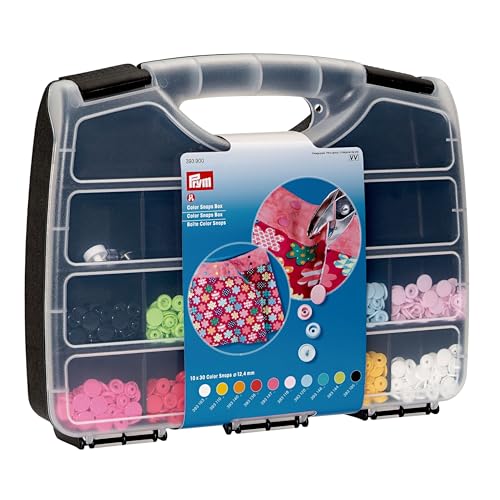
For projects where aesthetic coordination is key, these plastic snaps provide a vibrant, low-profile finish. They are incredibly useful for lighter-weight materials where the bulk of a metal snap would look cumbersome or awkward.
The primary advantage here is the ease of installation, as they snap into place with a dedicated pair of pliers. Because they are plastic, they do not rust, making them ideal for costumes that might be laundered frequently.
- Best for: Light-to-medium weight fabrics and knit garments.
- Tradeoff: They lack the extreme holding power of industrial metal snaps and may pop open if the garment is under significant tension.
The Snap Source Long-Prong: For Thick Materials
Long-prong snaps are the secret weapon for anyone working with bulky knits or layered costume components. The extended prongs reach through multiple layers of fiber, anchoring the snap firmly into the base rather than just the surface.
If a project involves a chunky, hand-knit cardigan or a layered fabric accessory, a standard snap will often fail to penetrate deep enough to be secure. These provide the extra length necessary to clear the loft of the material, ensuring a reliable, long-lasting connection.
- Best for: Chunky knits, quilted fabrics, and multi-layered cosplay armor.
- Bottom line: Always measure the depth of the compressed material to ensure the prongs will fold properly.
Dritz Sew-On Snaps: The Most Versatile Option

Sew-on snaps are the traditional choice for delicate work where mechanical tools might bruise the fabric or distort the stitch pattern. They are applied using needle and thread, allowing for precise placement and easy adjustment.
This is the preferred method when adding closures to vintage-inspired garments or delicate silk linings. Because they aren’t hammered into the textile, there is no risk of permanent damage to the fabric, making them perfect for high-value costume pieces.
- Best for: Fine fabrics, silk, and areas where hardware must be concealed.
- Pro tip: Use buttonhole twist or doubled-up upholstery thread for maximum longevity.
Babyville Plastic Snaps: Easiest for Beginners

While originally designed for infant clothing, these plastic snaps are surprisingly effective for costume designers needing a lightweight solution. They are simple to install and come in a vast array of colors that can blend seamlessly into the project.
The mechanism is intuitive, and the tools required are generally less intimidating than heavy-duty setters. For those new to costume construction, these offer a forgiving learning curve and a professional, clean result without the risk of metal fatigue.
- Best for: Soft fabrics and rapid assembly projects.
- Tradeoff: They are not intended for high-tension areas where the garment might be stretched to its limit.
Tandy Leather Line 24 Snaps: Ultimate Durability

When the costume involves leather, heavy upholstery, or industrial-strength materials, Line 24 snaps are the industry standard. These are built to handle high-friction environments and will rarely fail unless the fabric itself gives way.

These require a bit more skill to set correctly, but the structural reward is significant. Their aggressive locking mechanism provides a satisfying “click” that serves as an audible confirmation that the garment is secure.
- Best for: Leather, heavy canvas, and structural costume components.
- Warning: These are permanent once set; practice on scrap material to ensure the correct orientation before finishing the garment.
How to Pick the Right Snap Size for Your Fabric
Choosing the wrong size snap is the most common cause of closure failure. A snap that is too small for a heavy fabric will pull through the material, while a snap that is too large will look disproportionate and stiff on a light fabric.
Consider the “pull-force” of the garment. If the costume fits snugly and will be under constant tension, opt for a larger diameter snap with a deeper socket. Conversely, if the closure is purely decorative or loose-fitting, a smaller, low-profile snap is sufficient.
- Guideline: Match the snap diameter to the fabric thickness—thicker fabrics generally require wider caps.
Sew-On vs. No-Sew Snaps: Which Is Best for You?
No-sew snaps are faster and generally stronger, making them the default for high-activity costumes. However, they are permanent and can be difficult to remove without damaging the surrounding fabric.
Sew-on snaps offer flexibility and preservation. If a project uses expensive, non-replaceable fabric, the sew-on method is the safer choice. They also allow for slight position adjustments if the wearer’s measurements change over time.
- The Choice: Use no-sew for structural strength; use sew-on for delicate aesthetics.
Reinforcing Fabric for Snaps That Won’t Rip Out
Never apply a snap to a single layer of fabric, regardless of the material. Even the strongest snap will eventually tear through a lone piece of cloth under the stress of movement.
Always use a piece of interfacing, a scrap of heavy-duty cotton, or even a small piece of leather on the inside of the garment to act as a backing. This distributes the stress and prevents the snap from warping the fabric.
- Expert Tip: Apply a small dab of clear fabric glue or seam sealant to the hole where the snap will sit to prevent fraying before setting the hardware.
Tips for Perfect Snap Placement on Your Costume
Before committing to a permanent setting, mark the placement clearly using a chalk pencil or tailor’s wax. Always account for the overlap of the garment to ensure the closures line up perfectly when the costume is worn.
When working with knit fabrics, ensure the area around the snap is stabilized to prevent the stitches from distorting. A small square of iron-on interfacing behind the knit will provide the necessary structure to keep the snap aligned and functional.
- Actionable step: Perform a “tension test” with safety pins first to ensure the spacing looks and feels right while the wearer is in motion.
Selecting the right snap is a balance between the functional requirements of the costume and the properties of the materials used. By taking the time to match the hardware to the fabric weight and intended use, the longevity of the final piece is greatly increased. Remember that the best closure is one that disappears into the design while holding everything exactly where it needs to be.