
6 Best Book Stands For Desk Sewing Patterns
Tired of juggling patterns while you sew? Discover the 6 best book stands for desk sewing patterns to keep your designs upright and accessible. Shop our list now.
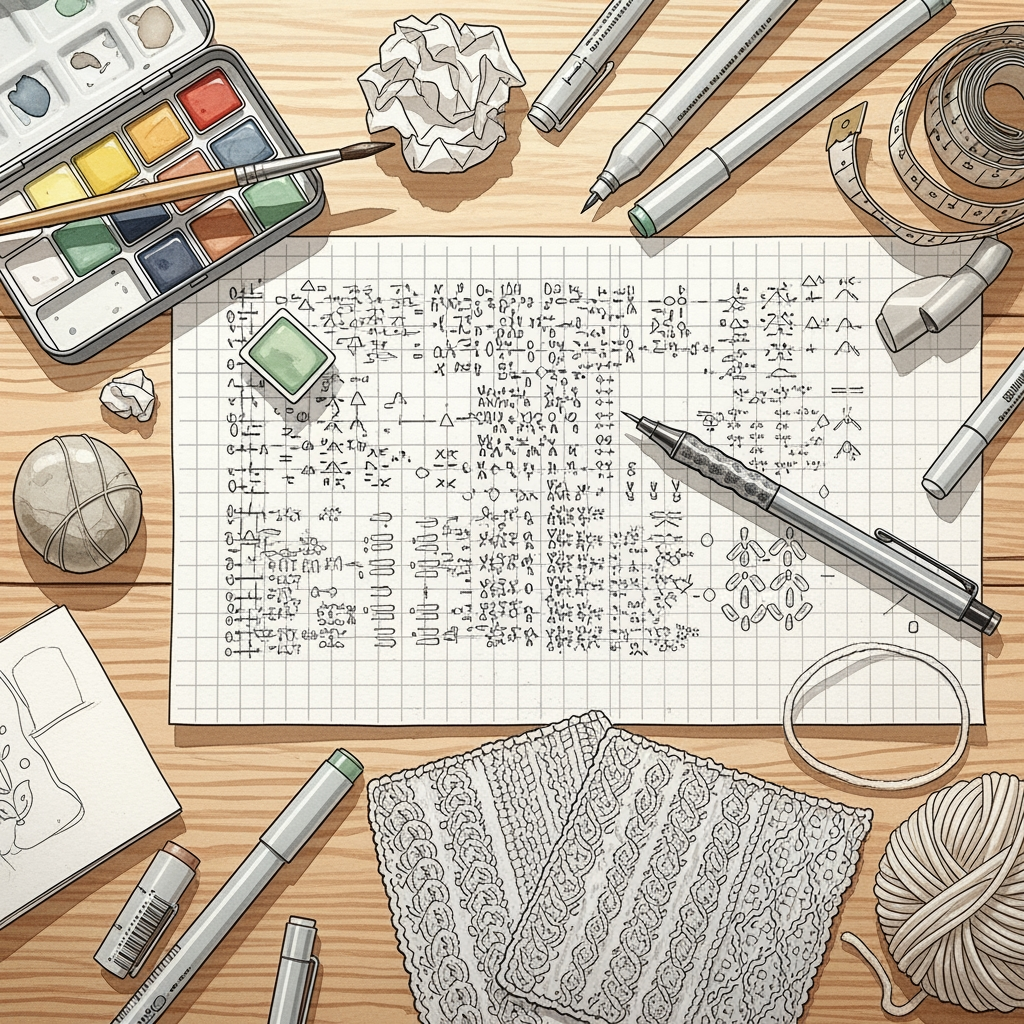
Following a complex lace chart while balancing a heavy pattern book on a cramped desk is a recipe for dropped stitches and losing your place. A dedicated book stand acts as a secondary pair of hands, keeping instructions at eye level to reduce neck strain during long knitting sessions. Selecting the right stand involves considering the weight of your reference materials and the available space in a sewing or knitting nook. This guide explores the best options to streamline your workflow and ensure your pattern remains readable, regardless of project complexity.
Reodoeer Book Stand: Best Budget All-Rounder


The Reodoeer stand is a reliable workhorse for those who need a functional, no-frills solution. Its adjustable metal frame offers multiple viewing angles, which is critical when lighting conditions change throughout the day.
This stand excels at holding standard-sized knitting books or printed pattern sheets without taking up significant desk space. Because it is lightweight and collapsible, it fits easily into a project bag for guild meetings or workshops.
The trade-off for its affordability is a lighter build that may struggle with massive, hardbound reference tomes. It is the perfect choice for the everyday knitter who wants a functional tool without a premium price tag.
BestBookStand INP-103: Sturdy and Stylish Pick
For knitters working with heavy, hardbound stitch dictionaries or thick sewing manuals, the INP-103 offers the necessary structural integrity. Its long, adjustable arms provide excellent height, allowing you to position the pattern directly at eye level.
Adjusting the angle to minimize glare is effortless with this model, which is a major advantage when working under bright craft lamps. The base is weighted sufficiently to prevent tipping, even when supporting substantial weight.
While it occupies more desk real estate than simpler models, the ergonomic benefits are immediate. Choose this if you spend hours at a time hunched over complex charts and require consistent, sturdy support.
A+ Book Stand BS1500: The Most Portable Option
The BS1500 is designed for makers who prioritize mobility above all else. Its sleek, flat-folding profile allows it to slide into a laptop sleeve or the side pocket of a knitting tote with minimal bulk.
Despite its slim appearance, the metal clips are surprisingly effective at holding single sheets of printed patterns or lightweight booklets securely. It is an ideal companion for the commuter knitter or the student taking classes who needs to transport equipment frequently.
Because of its minimalist nature, it is less suited for heavy reference books that might overwhelm the hinge mechanism. This is the go-to option for the traveler who needs to keep charts organized in limited spaces.
Wiz-Book Stand: For Large Format Patterns & Books
Large-format sewing patterns or complex, oversized colorwork charts can be awkward to manage on standard stands. The Wiz-Book stand provides a wide, stable ledge that accommodates wider pages without letting them curl or flop over the sides.
The construction prioritizes stability for heavy loads, making it a favorite for those referencing encyclopedic knitting guides. Its design allows for easy page flipping, which is essential when jumping between pattern sections or checking gauge notes.
Due to its size, it is a permanent fixture rather than a portable accessory. If your project library consists mostly of large-format binders and wide, printed pattern sheets, this is the most secure investment.
Clear-Ad Acrylic Stand: Sleek and Minimalist
If a cluttered workspace leads to a cluttered mind, the Clear-Ad acrylic stand is an excellent remedy. Its transparent design disappears into the background, letting the pattern take center stage without adding visual noise to your desk.
Acrylic is remarkably easy to wipe clean, which is a major plus if you work in an environment where dust or yarn fibers accumulate quickly. It provides a simple, angled prop that works well for tablet devices as well as paper patterns.
The primary limitation is the lack of adjustable angles or heavy-duty clips. Opt for this if you prefer a clean aesthetic and primarily use standard, single-page patterns or thin booklets.
Actto BST-09 Book Stand: Secure Page Holding

The Actto BST-09 stands out for its high-tension page holders that keep stubborn, curled paper from flipping back on itself. For knitters working from printed patterns that have been rolled in a tube or folded, this grip is a game-changer.
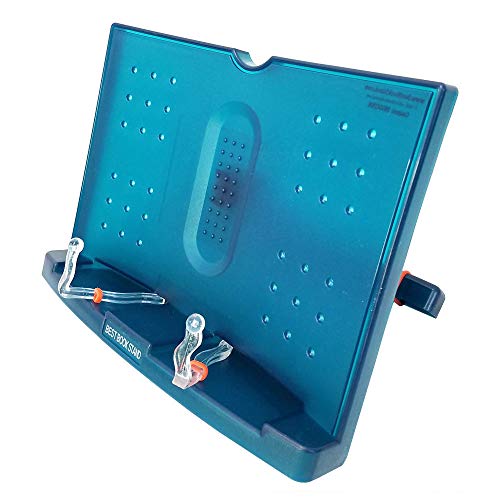
The ability to adjust the tension and position of the clips ensures that even delicate, thin paper is held firmly without tearing. It offers a wide range of tilt angles, making it adaptable for both desk work and use on a lap table.
It represents a balanced middle ground between portability and structural robustness. Use this stand if you struggle with patterns that refuse to lie flat, or if you frequently work with laminated charts.
How to Pick the Right Stand for Your Patterns
Selection hinges on the weight and dimensions of your most-used reference materials. A heavy, encyclopedic stitch book requires a base with a wide footprint and a high weight capacity, while single-sheet lace patterns require a stand with excellent, non-damaging clips.
Consider the surface where you knit most often. If your desk is already crowded with bobbins, scissors, and project bags, a compact, folding stand is superior to a bulky, multi-arm unit.
Finally, think about your eye level. If you find yourself leaning forward or hunching, prioritize models with vertical height adjustment to improve your posture.
Metal vs. Wood vs. Plastic: Which is Best?
Metal stands generally provide the highest durability and the strongest magnetic or clip options for holding patterns. They are the standard for heavy-duty use but can be cold to the touch and prone to scratching if not finished properly.
Wood offers a warmer, more aesthetic appeal, often fitting seamlessly into a home studio environment. However, wood is often heavier and less adjustable than its metal or plastic counterparts.
Plastic, specifically high-quality acrylic, is lightweight, transparent, and portable. While it may lack the weight capacity for massive books, it is the most user-friendly for maintaining a tidy, distraction-free workspace.
Taming Loose Patterns and Heavy Craft Books
Loose pattern sheets often become misplaced or damaged during a long project. Pair your stand with a simple magnetic board or a plastic sheet protector to keep individual pages pristine while they are mounted on the stand.
For heavy craft books, consider using a large binder clip at the top of the pages if the stand’s native clips struggle to hold the weight. This prevents the pages from catching on the stand’s metal frame or closing unexpectedly when you reach for your needles.
Always ensure the weight is centered on the stand to prevent uneven wear on the hinges. Regularly tightening any tension screws on your stand will prevent the dreaded “slipping” that happens when a stand slowly loses its angle under the weight of a book.
Using Your Stand for Tablets & Digital Patterns
Many modern patterns are purchased as PDFs, necessitating a screen-based viewing experience. A stand designed for physical books is equally effective for tablets, provided the ledge is deep enough to accommodate the device’s thickness.
Check that the stand’s clips do not obscure essential digital information, such as rows in a chart or specific stitch counts. When using a tablet, ensure the stand allows for access to charging ports, as extended knitting sessions can quickly drain battery life.
Because screens are prone to glare, prioritize a stand with a high degree of angle adjustability. A matte screen protector combined with an adjustable stand creates the most comfortable, eye-friendly digital knitting experience.
Investing in a proper book stand is a small change that yields significant benefits in efficiency and comfort. By matching the specific requirements of your patterns and your workspace to the right equipment, you can focus entirely on the rhythm of your craft. Whether choosing the portability of a folding stand or the stability of a desktop unit, the end goal remains the same: a seamless experience from cast-on to bind-off.

