6 Best Cotton Storage Cubes For Fiber Collections
Organize your craft space with the 6 best cotton storage cubes for fiber collections. Discover durable, stylish options to protect your yarn—shop the list now.
Every stash eventually outgrows its original shopping bags, leading to a frantic search for organization that keeps precious fibers safe from dust, light, and pests. Proper storage is not just about aesthetics; it is about protecting the structural integrity of expensive wool, silk, and alpaca fibers that can easily degrade when improperly handled. Choosing the right container ensures that every skein remains in peak condition for the moment inspiration strikes for a new project. Investing in quality storage is the difference between a pristine collection and one riddled with moth holes and crushed yarn.
The Container Store Canvas Bin: Best Overall Pick


The Container Store’s canvas bin stands as the industry standard for durability and long-term yarn storage. These bins utilize a reinforced frame that maintains its shape even when packed tightly with dense, heavy wools like worsted or chunky weight yarn.
The material composition offers a crucial balance: it is sturdy enough to hold significant weight but breathable enough to prevent the moisture buildup that causes mildew. Because the canvas is structured, it prevents the slouching that often leads to yarn getting tangled or crushed at the bottom of less rigid containers.
If you are someone who frequently rotates your stash to find the perfect color palette for a stranded colorwork project, this bin handles the daily wear and tear of being pulled off shelves with ease. The neutral aesthetic fits almost any craft room decor without becoming a visual distraction.
AmazonBasics Fabric Cube: Top Budget-Friendly Choice
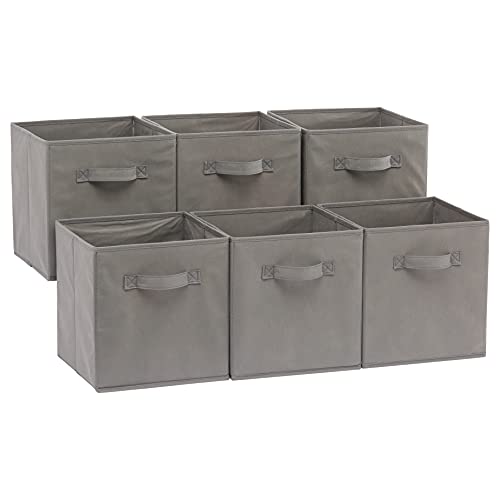
When a stash grows exponentially—often following a trip to a fiber festival—budget-friendly storage becomes a necessity. These fabric cubes provide a reliable, no-frills solution that allows for compartmentalization without a significant financial investment.
They are ideal for storing specific project bags or organizing yarn by fiber content, such as grouping all superwash wools together or keeping silk-blend lace yarns separate. While the material is thinner than high-end alternatives, the fabric is lightweight and collapsible when not in use.
Do not expect these to hold heavy, industrial-sized cones of yarn for years, but they excel at housing standard-sized skeins and hanks. For the knitter who prefers to keep their stash categorized by weight or color, these cubes offer the most efficient way to maximize shelf space on a modest budget.
Bigso Box of Sweden Cube: Best for Large Stashes
The Bigso Box of Sweden cubes are designed for those who have moved past a simple hobby collection and into serious, curated stash territory. These are built with thick, recycled fiberboard that offers superior protection against light—a primary enemy of yarn that can fade natural dyes over time.
Because these boxes are stiffer and more substantial than standard fabric bins, they are excellent for stacking. You can safely store heavier fibers like wool or linen at the bottom of a stack without worrying about the structure buckling under the weight.
These are particularly recommended for long-term storage of expensive luxury fibers like cashmere or qiviut. The added structural integrity ensures that even your most delicate, high-twist yarns maintain their shape and are protected from the environmental fluctuations of a standard home closet.
Pehr Designs Pom Pom Bin: Most Stylish Storage
Pehr Designs offers a solution for those who store their fiber in main living areas where aesthetics matter just as much as function. The thick cotton canvas is high-quality, providing a soft but substantial home for your current works-in-progress or smaller spinning fiber collections.
These bins are not designed for rigid structural support, making them better suited for soft items like finished shawls, blankets, or bulkier unspun wool rovings. Their soft edges mean they will not snag delicate fibers like mohair or lace-weight silk when you reach inside.
While they may lack the rigid corners of a dedicated storage box, they add a touch of personality to a craft corner. They are the perfect home for a project you are currently working on, keeping your needles, notions, and yarn neatly contained beside your favorite armchair.
iDesign Fabric Box: Best with a Clear Window
The iDesign fabric box features a transparent front panel that solves the common knitter’s dilemma of forgetting what is buried in the back of the closet. This window allows you to perform a quick visual inventory of your yarn without having to pull every bin off the shelf.
This visibility is a game-changer for knitters who suffer from “stash amnesia,” where yarn is bought and then effectively lost. By keeping fiber visible, you are more likely to actually use the yarn you have collected rather than continuing to buy duplicates.
The internal support is sufficient for moderate loads, and the clear window is reinforced to prevent tearing. It serves as an excellent middle ground for the knitter who wants organization but hates the frustration of playing hide-and-seek with their favorite colorways.
ClosetMaid Fabric Drawer: Best for Stacking
ClosetMaid drawers are engineered to integrate seamlessly into standard cube storage shelving units, making them the most versatile choice for modular craft rooms. They are specifically sized to slide in and out of tight shelving gaps, which is essential for maximizing vertical storage space.
The fabric construction is flexible enough to accommodate slightly overstuffed bins, which is a common reality when stash-busting efforts fail. These are perfect for those who want to keep their yarn out of sight, tucked away behind closed shelves to minimize dust exposure.
If your knitting space is shared with other household functions, these drawers keep the collection looking tidy and cohesive. Their simple pull-tab design makes accessing your stash effortless, even when your hands are covered in fiber dust or you are mid-row on a complex pattern.
Why Cotton Breathes: Protecting Your Fiber Stash
Cotton canvas or linen-blend storage bins are superior to plastic bins for long-term fiber storage because they allow for airflow. Natural fibers like wool, alpaca, and angora are moisture-wicking and need to breathe to remain in a stable, dormant state.
When you seal organic fibers in airtight plastic, any residual moisture or humidity trapped inside can lead to mildew, mold, or a musty odor that is difficult to remove from wool. Breathable fabric bins allow for a natural exchange of air, which prevents the build-up of stagnant moisture.
- Avoid synthetic airtight containers unless you are using moisture-absorbing packets.
- Keep bins off the floor to further encourage air circulation and reduce pest access.
- Prioritize natural textiles for your storage containers whenever possible.
How to Measure Your Shelves for Storage Cubes
Before purchasing storage, measure the interior dimensions of your shelving units, not just the front opening. It is a common mistake to buy a cube that fits the width of the opening but is too deep for the shelf itself, leaving the bin sticking out awkwardly.
Account for at least a half-inch of clearance on all sides to ensure the bins slide in and out without snagging on the shelf edge. If the bins are meant to be a permanent fixture, a snug fit creates a clean, built-in look that maximizes every square inch of storage.
Always consider the height of your shelves, as taller bins can be difficult to remove if they are packed to the brim. If you plan to store yarn on a high shelf, ensure the bins are lightweight enough to be pulled down safely without spilling their contents.
Keeping Moths Out: Tips for Cube Organization
Fabric cubes alone do not guarantee total immunity from moths, but they provide a solid starting point for a pest-resistant strategy. The most effective defense is a combination of clean storage and natural repellents kept inside the bins.
Never store dirty yarn; even small amounts of body oils or food residue can attract pests during the off-season. Before placing fiber in a storage cube, ensure it is thoroughly aired out and inspected for any signs of larval activity.
- Use cedar chips or lavender sachets inside each cube for a natural deterrent.
- Vacuum your shelves periodically to remove dust and potential eggs or larvae.
- Rotate your stash at least twice a year to disturb any settled pests.
Cleaning and Maintaining Your Fabric Storage Bins
Dust is the inevitable byproduct of a fiber arts workspace, and it tends to settle quickly on the top of storage cubes. Use a vacuum with an upholstery attachment to remove surface lint and dust from the fabric exterior regularly.
If you spill a dye or fiber oil on a canvas bin, spot-clean with a mild, pH-neutral soap and a soft cloth, being careful not to soak the structural cardboard frame. Avoid machine washing collapsible bins, as the heat and agitation will destroy the internal shape-holding materials.
Should a bin lose its rigidity over time, placing a piece of stiff poster board or thick cardstock at the base can often restore its stability. With basic maintenance, these fabric storage solutions will protect your fiber collection for years to come.
Proper organization of a fiber stash is not a chore, but an essential aspect of maintaining the quality of your materials. By choosing the storage solution that aligns with your specific collection size and space constraints, you transform a cluttered shelf into a curated library of creative potential. Good storage keeps your fiber safe, visible, and ready for your next project, ensuring that your time and financial investment in premium yarns is always protected.