6 Best Cable Ties For Cable Management Worth Using
Tame your messy cords with our top picks for the best cable ties for cable management. Read our expert guide now to find the perfect solution for your space.
Managing active stitches during a project often feels like a balancing act between safety and mobility. Whether the goal is trying on a sweater-in-progress or simply setting a project aside for a few days, the right tools prevent accidental drops and distorted stitches. These cable ties and stoppers serve as the unsung heroes of a well-organized knitting kit. Choosing the correct system transforms a high-stakes moment of garment fitting into a stress-free experience.
The Knitting Barber Cords: Try On Sweaters Easily


These hollow, flexible silicone cords allow a knitter to move stitches from needles onto a cord with minimal fuss. Simply slide the cord onto the tapered end of the needle and transfer the stitches across, creating a soft, draped loop that lets a garment hang naturally against the body.
This is the gold standard for trying on sweaters. Because the cords are thin and compressible, they do not add unwanted bulk or stretch to the neckline or armholes.
The primary advantage here is the length; these cords come in long sections that can accommodate even the largest circumferences. When stitches are held on these cords, the fabric remains fluid and uninhibited, providing an accurate sense of fit that rigid needle cables cannot offer.
Cocoknits Stitch Stoppers: The Stylish EVA Choice
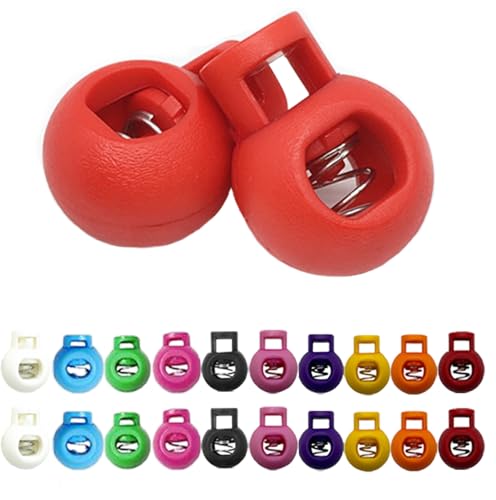
Cocoknits stitch stoppers are crafted from EVA foam, offering a grippy, matte texture that clings effectively to needle tips. These are designed to slide over the ends of the needles themselves, physically blocking stitches from slipping off during travel or storage.
They excel when working with slick metal or carbon fiber needles, which are notorious for losing stitches if left unattended. The foam material compresses slightly when pushed onto the needle, creating a secure seal that stays put even inside a crowded knitting bag.
These stoppers are best suited for smaller projects like socks, hats, or mittens. While they provide excellent security, they are not designed to allow for “trying on” a garment; they are strictly for holding stitches on the needles.
Clover Point Protectors: An Affordable Classic
Clover point protectors are a staple in almost every established knitter’s notions pouch. Usually made of a firm, durable rubber, these come in varied shapes and sizes to fit anything from tiny lace needles to chunky jumbo needles.
The classic “cone” shape is particularly effective for locking onto the points of needles securely. Because they are inexpensive and widely available, they represent the most practical solution for keeping multiple works-in-progress (WIPs) safe without needing a dedicated system for every project.
Keep in mind that very soft, silicone-based protectors can occasionally slip off if they are too large for the needle. Always ensure a tight, snug fit to prevent a runaway stitch disaster when the project is tossed into a tote.
KnitPro Cable End Caps: For Interchangeable Sets
These end caps are designed specifically for use with interchangeable needle systems. They screw directly into the threads of the cable where the needle tips would usually reside, turning a standard circular cable into a secure stitch holder.
This is the most efficient choice for knitters who already own a comprehensive interchangeable needle set. By utilizing the cables already on hand, there is no need to purchase additional accessories for long-term storage of a large garment.
The threaded connection is far more reliable than a simple slide-on cap, as it cannot be accidentally knocked off by snagging on a bag lining. It is a robust, permanent solution for projects that will be sitting in a project bag for weeks or even months.
Purlsmith Holder Cords: The Ultimate Flexibility
Purlsmith holder cords function similarly to other silicone tubing options but often feature a slightly different texture or diameter that aids in ease of transfer. They are exceptionally soft and lightweight, making them ideal for delicate lace projects where preserving the integrity of the stitch is paramount.
Using these cords is a tactile experience that feels frictionless. Because they are so pliable, they can be knotted at the ends to ensure they stay firmly in place, providing an extra layer of security that simple stoppers cannot match.
These are particularly useful for knitters with sensitive hands who find rigid plastic tools difficult to manipulate. The soft nature of the silicone reduces hand fatigue when moving a large volume of stitches from needle to cord.
Lykke Needle End Caps: Secure Your Luxury Tools

Lykke needle end caps are often made from high-quality wood or premium materials that match the aesthetic of their famous needle sets. They are specifically engineered to provide a flush, secure fit on their respective needle tips.
Beyond the visual appeal, these serve a functional purpose by preventing point damage. If the needles are made of delicate wood or resin, a protective cap prevents the fragile tips from chipping or snapping when stored in a tight case.
They are an investment in the longevity of high-end tools. While a simple rubber cap works in a pinch, these are the better choice for protecting the specific geometry and finish of professional-grade needles.
What Are Knitting Cable Ties and Do I Need Them?
Knitting cable ties—often referred to as stitch holders or point protectors—are accessories designed to bridge the gap between active knitting sessions. They secure the live stitches, which are the loops of yarn currently on the needle that have not yet been “bound off.”
If a project is only ever knit in one sitting, these tools are unnecessary. However, most knitters move their work between bags, set projects aside to wait for more yarn, or need to verify the length of a sleeve.
Without these tools, the risk of losing a single stitch—and subsequently dropping down several rows—is high. They provide peace of mind, allowing the project to rest safely while the knitter steps away.
Stitch Stoppers vs. Cords: Which Is Right for You?
The choice between a stopper and a cord depends on the status of the project. If the stitches need to stay on the needles, use a stopper. If the goal is to free up the needles for another task, use a cord.
- Stitch Stoppers: Use these when the knitting is paused but the needles are still required for the specific project. They are perfect for hats and socks where the needle length is manageable.
- Holder Cords: Use these when the needles are needed for a new project, or when the project must be tried on for fit. They are essential for sweaters, cardigans, and large shawls.
Consider the weight of the project as well. A heavy wool sweater held on a cord is much easier to manage than one held on two rigid needles, as the cord allows the fabric to bunch and fold safely.
How to Use Stitch Holder Cords Like a Pro
To transfer stitches to a cord, thread one end of the cord onto the tip of the needle. Push the stitches firmly from the needle body onto the silicone tubing, ensuring no stitches get caught on the transition point.
Once the stitches are moved, slide the cord off the needle and secure the ends. Some knitters prefer to tie a loose knot in the cord ends to prevent the stitches from sliding off the other side; others rely on the friction of the silicone itself.
When transferring back, reverse the process. Be careful to ensure the stitches are not twisted as they move back onto the needles, as a twisted stitch will create a permanent, visible flaw in the finished fabric.
Choosing a Size: Matching Stoppers to Needles
Precision in sizing is the difference between a secure project and a frantic repair. Most point protectors are labeled by the needle diameter in millimeters.
Always check the needle size before selecting a cap. If a cap is too large, it will fall off; if it is too small, it may deform the needle tips or stretch the stitches at the edge of the work.
For silicone cords, one size usually fits most, as the material is stretchy and accommodates a range of needle diameters. If the cord feels too tight to thread onto a large needle, a drop of water or specialized lubricant can sometimes help, but generally, forcing a fit is discouraged.
Selecting the right cable management tool is as much about the physical needs of the project as it is about personal workflow. By matching the tool to the fiber type, needle material, and the specific stage of the project, any knitter can ensure their hard work remains safe and ready for the next session. Thoughtful organization of these small notions ultimately leads to a more enjoyable, stress-free crafting journey.