6 Best Knitting Totes For Workshop Commuting
Simplify your next craft class with our top 6 knitting totes for workshop commuting. Find the perfect durable, stylish bag for your projects and shop here today.
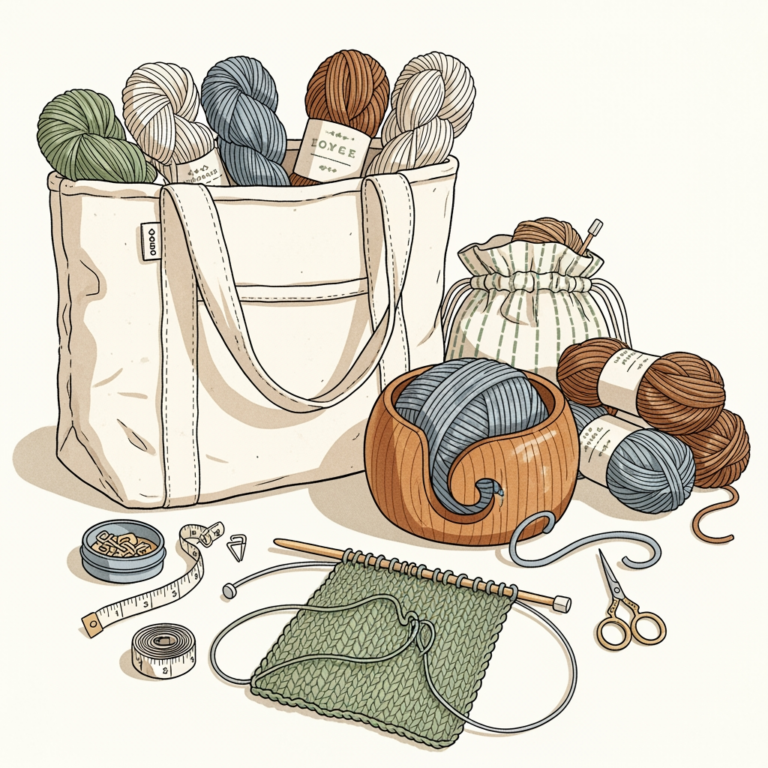
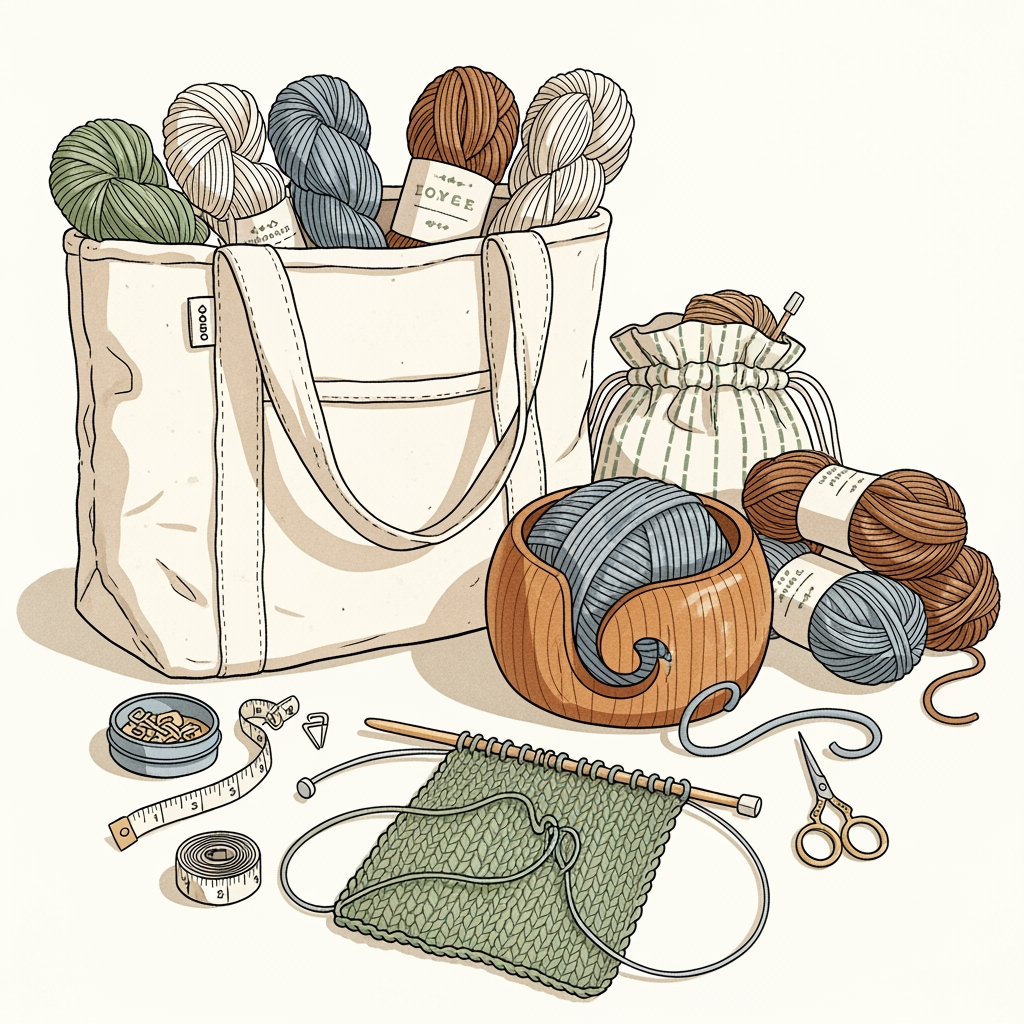
Hauling a complex project to a knitting workshop requires more than a standard grocery tote; it demands a bag that protects delicate fibers and keeps tools accessible. A workshop commute is where your organizational strategy meets the reality of transit, subway stairs, and crowded tables. Choosing the right vessel prevents the frustration of tangled yarn or a bent circular needle mid-commute. These six selections address the specific physical demands of the fiber arts while ensuring every skein and notion stays secure.
Della Q Maker’s Canvas Tote: Best Overall Carryall


The Della Q Maker’s Canvas Tote is widely regarded as the gold standard for versatility in the fiber arts community. Its structural integrity ensures that the bag maintains its shape, which prevents your project from being crushed at the bottom of a heap. For those who frequently switch between workshops, this bag functions as a mobile office for your knitting.
The interior is specifically designed with the knitter in mind, featuring dedicated pockets for circular needles, gauge swatches, and measuring tapes. It eliminates the “digging” phase that often results in lost stitch markers or accidental snags on sharp metal tips. If you are prone to carrying multiple WIPs (Works In Progress), the organization here is unmatched.
Be aware that canvas, while durable, does not offer much in the way of waterproofing. If you live in a climate with frequent rain or snow, treat the exterior with a protective spray or accept that your yarn stash needs a secondary plastic liner during transit. It remains the best choice for the knitter who wants one bag to do it all.
Fringe Supply Co. Field Bag: Most Stylish Commuter

The Fringe Supply Co. Field Bag is a triumph of minimalist design, proving that you do not need an oversized bag to carry a substantial project. Its primary appeal lies in the grommets, which allow you to thread your yarn through from the interior without opening the bag. This feature is particularly useful when knitting colorwork or holding two strands of yarn, as it prevents tangles.
The waxed canvas construction offers a superior level of weather resistance compared to standard cotton. This is critical for urban commuters who traverse city streets where moisture and grit can damage luxury fibers like alpaca or merino. The bag sits upright on a flat surface, making it an ideal companion for the tight quarters of a workshop table.

However, the compact nature of the Field Bag means it is best suited for single-garment projects like sweaters or shawls. If you are the type of knitter who brings a full library of patterns and three different sets of interchangeable needles to class, this bag may feel restrictive. Opt for this when mobility and aesthetic are the priority.
The Loopy Ewe Project Tote: For The Big WIP Commute
The Loopy Ewe Project Tote is built for the knitter tackling large-scale projects like heirloom blankets or intricate gansey sweaters. Its depth allows for multiple large cakes of yarn to sit upright, ensuring they do not collapse and become a tangled mess during your commute. The sheer volume makes it the reliable choice for long-term projects that require a significant amount of “carry-along” materials.
When you are working with bulky yarn or large-diameter needles, space is a primary constraint. This tote accounts for the length of long circular cords, preventing them from catching on the bag’s hardware or seams. It is essentially a secure locker for your most ambitious projects.
The tradeoff for this capacity is that it can become heavy and cumbersome if overpacked. Because it is a deep tote, smaller accessories like darning needles or scissors can settle into the bottom corners. Always keep your notions in a separate, zippered pouch inside to avoid losing them in the depths of the bag.
GoKnit Project Pouch: Best for Small Class Projects
The GoKnit Project Pouch is a genius piece of utilitarian design for the minimalist knitter. It features a unique, flexible opening that allows you to knit directly from the bag while the yarn remains securely contained. It is arguably the safest way to transport a single sock or a delicate lace scarf to a workshop.
Because the pouch is lightweight and collapsible, it fits easily into larger backpacks or handbags. This makes it an excellent choice for a secondary project bag when you want to keep your “classroom” knitting separate from your “travel” knitting. It is the antithesis of the bulky, over-engineered project bag.
While excellent for protection, it lacks the space for a needle case or a printed pattern folder. Treat the GoKnit as a companion to your primary bag rather than a replacement for one. It excels at keeping your active yarn clean and lint-free in environments where pets or debris might pose a risk.
Atenti Overnighter Bag: The Ultimate Workshop Splurge
The Atenti Overnighter is designed for the knitter who treats their workshop attendance as an event. These bags are known for their high-end, tapestry-style fabrics and superior construction, offering an elevated look that is rarely found in standard craft supplies. It functions like a proper piece of luggage, with enough room for a day’s worth of knitting and the gear to go with it.
Internal organization is generous, providing plenty of pockets for specialized tools, multiple pattern books, and even a beverage container. For the knitter who spends all day at a retreat, the capacity to carry everything in one elegant package is a major convenience. It is as much a fashion statement as it is a functional tool.
The primary disadvantage is the weight and the nature of the fabric. Tapestry fabrics can snag if caught on a sharp hook or a rough needle tip, so always store your needles in a protective case before placing them inside. This is an investment piece meant for the knitter who values both luxury and extreme utility.
Yarn Pop Totable: Best for Keeping Yarn Tangle-Free
The Yarn Pop Totable is explicitly engineered to prevent yarn ball rotation and tangling. By using a grommeted system combined with a structured, clear vinyl design, it allows you to see exactly how much yarn remains in your cake at all times. This is particularly helpful when working on a project where you are close to running out of a specific dye lot.
The vinyl construction is remarkably easy to wipe clean, which is a major advantage when commuting. If a cup of coffee spills on the subway or your bag sits on a dusty workshop floor, a simple cloth restores it to like-new condition. It provides a level of protection against the elements that natural fiber totes simply cannot match.
While the aesthetic is more utilitarian and modern, the performance is undeniable. It is perfect for colorwork projects involving multiple balls of yarn, as each strand can be fed through its own dedicated grommet. For those who prioritize function and visibility above all else, this is the superior choice.
What to Look For in a Workshop Knitting Bag
When selecting a bag, focus on the base stability and closure mechanisms. A bag that tips over easily is a recipe for yarn rolling across a dirty floor, which is a disaster for light-colored or delicate mohair yarns. Seek out bags with flat, reinforced bottoms that hold their shape even when partially empty.
Accessibility is the next priority. During a workshop, you will need to switch tools, reference patterns, and access notions quickly. A bag with an interior that is high-contrast or light-colored helps you find your small items, such as stitch markers, which are notoriously easy to lose in dark, deep pockets.
Finally, consider the weight of the bag itself. A heavy leather bag is beautiful, but once you add three skeins of worsted weight wool and a set of needles, the strain on your shoulder becomes a distraction. Choose materials that strike a balance between durability and portability.

How to Pack Your Tote For a Knitting Class
Organize your bag using a “modular” system to keep your most vital tools ready for action. Place your project in a designated bag or pouch within the tote, then layer your needle case and notions bag on top. This ensures that you don’t have to unpack your entire project just to reach your scissors.
Always carry a “notions kit” that stays permanently packed for class. This should include two pairs of scissors (one for the project, one backup), multiple types of stitch markers, a crochet hook for dropped stitches, and a small notebook. By keeping these in a dedicated pouch, you save yourself the stress of checking your inventory before leaving the house.
Lastly, pack your pattern separately in a sturdy plastic sleeve or a slim portfolio. Paper patterns are highly vulnerable to being bent or torn at the bottom of a bag, and a damaged pattern can make a complex lace chart impossible to read. Protecting your documentation is just as important as protecting your fiber.
Canvas vs. Waxed Canvas vs. Nylon Totes
Canvas is the traditional choice, offering breathability that is excellent for natural fibers like wool and alpaca. Because it is porous, it prevents moisture buildup, but it is also the most susceptible to staining and water damage. It is a classic, low-maintenance material, provided you aren’t commuting in heavy rain.
Waxed canvas occupies the middle ground, providing the aesthetic of natural cotton with a water-resistant coating. It is significantly more durable and easier to wipe clean, making it a favorite for city dwellers. However, the wax can sometimes feel slightly tacky in extreme heat and may stiffen in freezing temperatures.
Nylon is the practical, high-performance option. It is virtually indestructible, water-resistant, and lightweight, making it ideal for the frequent commuter who doesn’t want to worry about bag maintenance. While it lacks the tactile, “crafted” feel of cotton or canvas, its ability to protect your yarn from external debris is unmatched.
Protecting Your Project From Spills & Snags
The greatest threat to your knitting in transit is not the bag itself, but the tools stored within it. Always store your needles in a secure case where the tips cannot poke through the lining or, worse, snag your fiber. Sharp metal or wooden tips can easily create pulls in delicate sweaters or lace, causing damage that is difficult to repair.
If you are carrying drinks, use an external side pocket for them. Even a sealed water bottle can sweat or leak, and a damp yarn cake can quickly become a breeding ground for mold if not dried immediately. Always keep your project in an inner, sealed bag to provide a final layer of insurance against spills.
Lastly, be mindful of Velcro and zippers. If your bag uses these closures, ensure they are positioned so they do not come into contact with your project’s working yarn. A single stray loop of yarn catching on a rough zipper pull will result in an immediate snag, so prioritize bags with high-quality, snag-free hardware.
The perfect knitting tote ultimately acts as a silent assistant, keeping your tools orderly so that your focus remains entirely on the craft itself. While no single bag is perfect for every knitter, selecting one that balances your storage needs with your specific commuting environment ensures you arrive at your workshop ready to cast on with confidence. By prioritizing structure, protection, and accessibility, you turn the logistics of travel into a seamless part of your creative process.