6 Best Art Labels For Organizing Print Collections
Easily categorize your studio with our top 6 best art labels for organizing print collections. Streamline your storage system and shop our expert picks today.
Organizing a collection of vintage knitting patterns, lace charts, or historical fiber arts ephemera requires more than just a tidy shelf. Paper, like delicate silk or organic cotton yarn, reacts poorly to improper storage and harsh chemical adhesives. Choosing the right label is a foundational step in preserving the history of every lace shawl or sweater pattern. This guide explores the best labeling solutions to ensure your archives remain as pristine as a perfectly blocked swatch.
Lineco Folio Labels: Best for Archival Safety


Lineco is the gold standard for anyone treating their pattern collection with the same reverence as an heirloom lace heirloom. These labels are specifically engineered with an acid-free, buffered adhesive that prevents the yellowing and brittleness often found in cheap stationery.
For the serious archivist, the primary concern is preventing acidic migration into valuable documents. When storing rare, out-of-print knitting books or fragile paper charts, these labels ensure that the chemical composition of the adhesive will not degrade the paper over time.
If you are organizing historical patterns that have survived decades of storage, Lineco provides the safest environment for long-term preservation. They are the ideal choice when long-term archival integrity is the only priority.
Dymo LabelWriter Labels: For High-Volume Projects
When you possess a massive library of knitting patterns, speed becomes a significant factor in organizational success. Dymo LabelWriter systems utilize thermal printing technology, which eliminates the need for messy ink cartridges or toner.
These labels are excellent for maintaining a consistent, professional-looking inventory of pattern binders. The thermal process creates a crisp, clear image that is unlikely to smudge, even if handled frequently while looking for the next project’s gauge requirements.
The trade-off, however, is that thermal labels can fade over long periods if exposed to direct sunlight or high heat. Use these for active, day-to-day organizational tasks rather than permanent storage for rare, light-sensitive documents.
Avery Removable Labels: The Most Versatile Pick

Knitting habits change, and patterns move between binders as projects evolve from “dream” to “on the needles” to “finished.” Avery removable labels allow for constant reorganization without the risk of tearing the underlying page.
These are perfect for temporary labels used during the design or drafting process of a new garment. If you are experimenting with different yarn weights or needle sizes for a self-drafted sweater, the ability to reposition the label as you iterate is invaluable.
The adhesive is strong enough to stay in place, yet gentle enough to peel away without leaving residue or pulling paper fibers. They are the most user-friendly option for knitters who prefer an adaptable, fluid organizational system.
Gaylord Foil-Back Labels: To Prevent Ink Bleed
Ink migration is a genuine threat to paper collections, particularly in damp environments. Gaylord foil-back labels feature a metallic barrier that prevents oils and chemicals from the adhesive from interacting with the inks on your documents.
This protective layer acts as a shield, ensuring that years of labels don’t leave unsightly ghosting or bleed-through patterns on the reverse side of a page. It is a specialized, industrial-strength solution designed for institutions that handle thousands of fragile documents.
For the private collector with an extensive, highly valuable vintage library, this is a premium investment. It provides peace of mind that the labels will remain inert and harmless to the paper for generations.
Brother P-Touch Tape: Most Durable Labeling System

If your knitting workspace is anything like a bustling studio, labels need to withstand accidental exposure to water, tea, or stray swatches of mohair fiber. Brother P-Touch tapes are laminated, making them exceptionally resistant to physical wear and moisture.
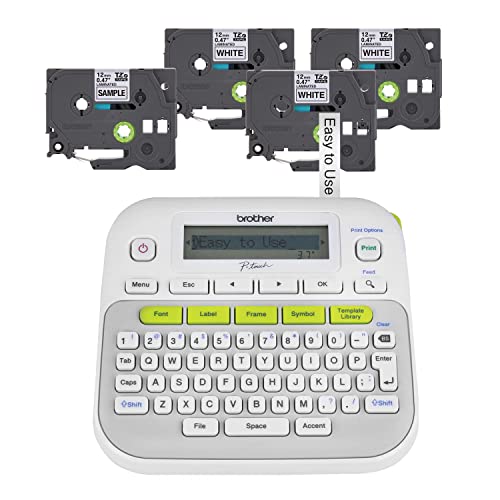
They are the top choice for labeling rigid storage boxes, yarn bins, or heavy-duty plastic sleeves. The sheer durability of the lamination ensures that the label text remains legible even if it is brushed against rough materials or moved frequently.
Be aware that these tapes are generally permanent and can be difficult to remove once applied to paper. Use them on exterior containers or laminated dividers rather than directly on the fragile paper of the patterns themselves.
University Products Perma/Seal: For Permanence
University Products specializes in true archival supplies, and their Perma/Seal labels are designed for lifelong adhesion to acid-free folders. They represent the final word in stability for permanent collections.
These labels are often used in professional libraries, meaning they adhere with remarkable tenacity. They are not designed to be moved or swapped once placed, ensuring a permanent indexing system that won’t fail over time.
Because these labels are permanent, they require careful planning before application. They are the best choice for a finished, finalized archive where the organizational structure is set in stone.
How to Choose the Right Label for Your Collection
Selecting the right label requires an honest assessment of how the collection is used. Consider the following criteria before purchasing:
- Longevity: Are these labels for a collection you intend to pass down, or a working library?
- Surface Compatibility: Are you labeling paper, plastic binders, or archival cardboard?
- Environmental Stability: Will the storage area experience humidity or sunlight?
- Repositionability: Is the organizational structure likely to change as your stash or pattern library grows?
Why Acid-Free and Archival Labels Matter Most
The biggest mistake a collector can make is using standard office supplies on archival papers. Standard adhesives break down over time, releasing acids that cause “yellowing” and leave permanent stains on delicate paper.
Archival labels, by contrast, are pH-neutral or buffered. This means they are chemically balanced to prevent the degradation of the documents they protect. If you are storing high-value vintage patterns, only use labels explicitly labeled as archival-safe.
Removable vs. Permanent: Which Label is for You?
The choice between removable and permanent depends on the stage of your knitting journey. Beginners may find their organizational needs change rapidly as they build their knowledge base, making removable labels the smarter, more economical choice.
Experienced makers with static, established libraries benefit from the security of permanent adhesives. Permanent labels prevent accidents where a label might peel off a box in a dark closet, leaving you to guess at the contents years later.
Best Practices for Placing and Writing Labels
Placement is just as critical as the label choice itself. Always apply labels to a flat, clean surface to ensure the adhesive bond is uniform across the entire back of the label.
When writing on labels, use archival-grade pens. Avoid ballpoint pens, as the oil-based inks can seep into paper over time or smear under pressure. Instead, use a permanent, waterproof, and fade-resistant pigment pen to ensure the information remains legible for the life of the collection.
Keeping a systematic, well-labeled collection of patterns is the best way to honor the craft and ensure your favorite designs are always ready for your next project. By selecting the right materials today, you protect the creative legacy of every garment you choose to knit tomorrow.