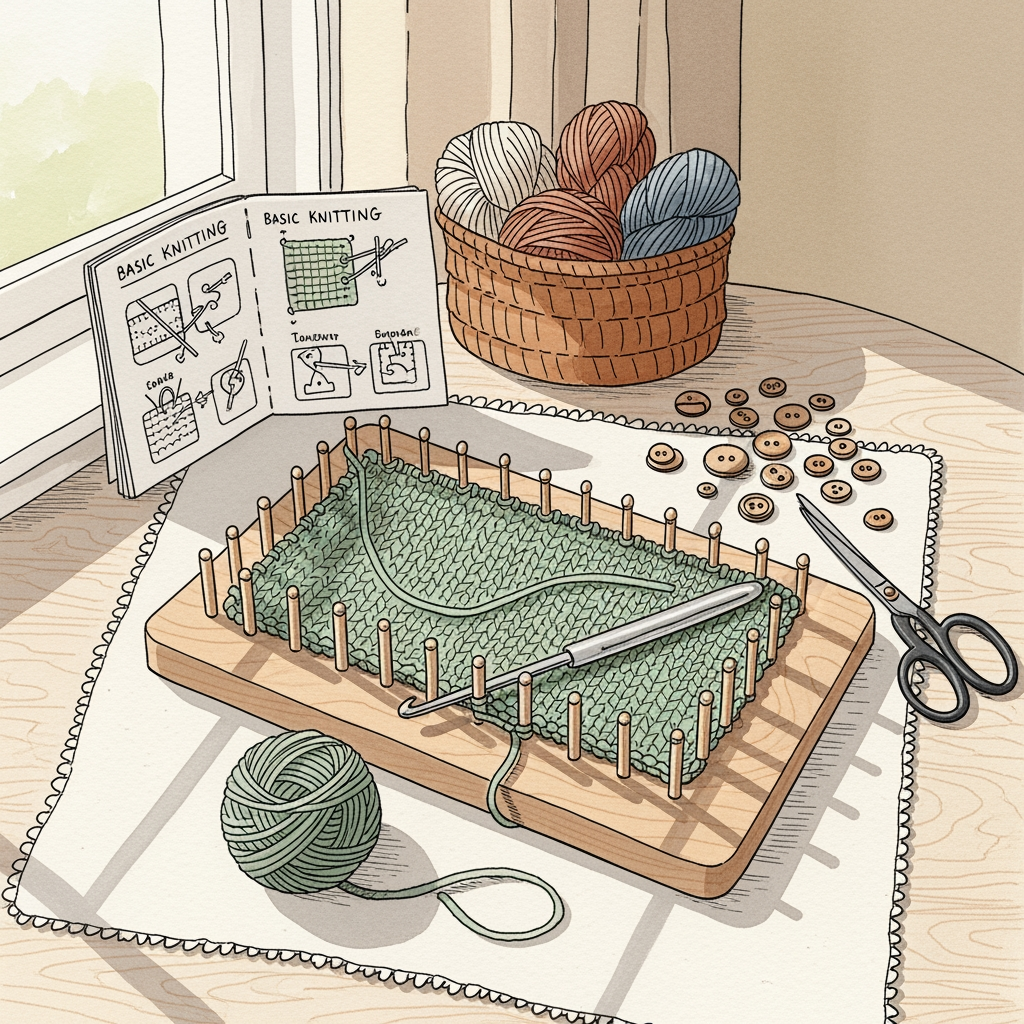
6 Knitting Looms For Making Custom Wool Accessories
Discover the 6 best knitting looms for making custom wool accessories. Explore our expert guide to choose the right tools and start your next project today.
Knitting looms offer a tactile, rhythmic alternative to needles, making them an excellent entry point for beginners and a welcome relief for those with hand strain. While often dismissed as “craft store toys,” modern looms are precision tools capable of producing everything from delicate lace wraps to sturdy, heavy-weight wool blankets. Selecting the right frame determines not just the ease of the project, but the final drape, texture, and structural integrity of the finished accessory. Understanding how these tools interact with fiber is the secret to moving beyond basic tubes and into the realm of professional-looking knitwear.
KB Looms All-n-One: Best Overall Versatility


The KB All-n-One loom functions as a modular system, allowing the creator to shift between circular and flat configurations with ease. This adaptability makes it the premier choice for makers who want to tackle a variety of projects—from hats and cowls to sweaters—without purchasing a dozen different frames.
The key feature is the adjustable slider, which allows for changing the spacing between pegs to accommodate different yarn weights. Whether working with a fine wool-nylon blend or a chunky, single-ply roving, the ability to modify the knitting surface prevents the dreaded “gaps” in the fabric that often plague static looms.
However, the sheer number of parts can be overwhelming for the absolute novice. Those who prefer a “grab and go” experience may find the assembly process takes away from actual knitting time, but for the project-oriented crafter, the setup pays for itself in creative freedom.
CinDWood Long Loom: Best for Afghans & Shawls

Long looms are essential when the goal is to create wide, flat panels that won’t fit on a standard circular frame. The CinDWood looms are widely respected for their sturdy construction and high peg density, which is critical for preventing the fabric from looking loose or “holey.”
For projects like heavy wool afghans, the weight of the yarn can cause flimsier plastic looms to bow or warp during the knitting process. These wooden-frame looms maintain their shape, ensuring that the tension remains consistent across the entire width of the piece, which is vital for a professional finish.
When selecting a long loom, prioritize the spacing between pegs rather than just the length of the board. A tighter gauge allows for more intricate stitch patterns and tighter tension, which is necessary if the accessory needs to withstand regular wear and tear.
Boye Round Loom Set: Best Starter Kit for Hats
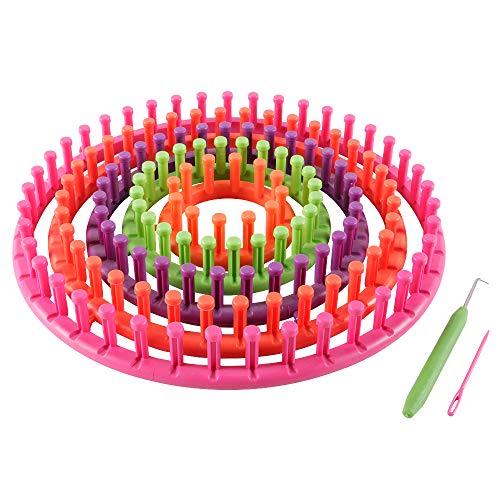
For the beginner, the Boye round loom set provides the most accessible introduction to the craft. These looms are lightweight, inexpensive, and come in a range of sizes that perfectly correspond to standard head circumferences for infant, child, and adult hats.
The plastic construction is intentionally smooth, which helps the yarn glide over the pegs without snagging or splitting. This is particularly beneficial when working with natural wool, which can have microscopic barbs that catch on low-quality, rough plastic edges.
While these are perfect for learning the e-wrap or knit stitch, they lack the adjustability of more advanced systems. Think of this set as the “entry-level” tool; it is excellent for building muscle memory, though one may eventually outgrow the fixed peg spacing as skills progress toward more complex patterns.
Knitting Board Adjustable Loom: Best for Panels
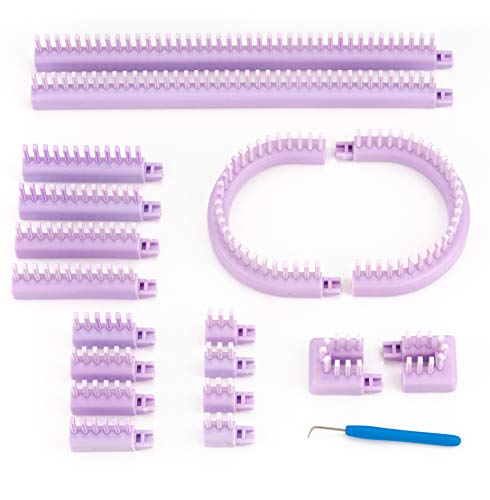
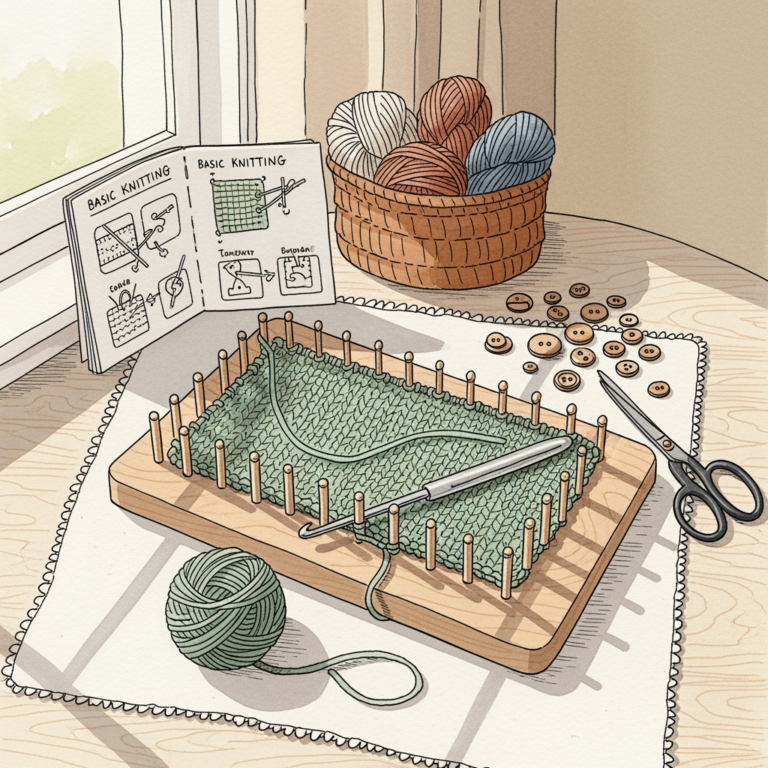
Flat, adjustable looms bridge the gap between fixed-frame looms and professional knitting machines. By moving the pegs to different holes, the knitter can essentially customize the “needle size” of the loom to match the requirements of a specific pattern.
This is the preferred tool for making custom-fit garments where gauge accuracy is paramount. Because the user can adjust the distance between pegs, it becomes possible to achieve a tighter gauge suitable for wool socks or a looser, drapier gauge for mohair-blend scarves.
Be aware that moving pegs repeatedly can lead to wear on the plastic components over years of use. Tighten the hardware securely before starting a project to ensure the loom doesn’t shift, as even a millimeter of movement can result in uneven stitches that become glaringly obvious during the blocking process.
Flexee Loom Links: Most Customizable Loom Kit

Flexee Loom Links represent a departure from traditional rigid frames, utilizing a modular, interlocking chain design. This allows for total freedom in shape—the knitter can link just enough segments to knit a narrow wool headband or add more links to create a large shawl.
The primary benefit of this system is its portability and ergonomics. The links are flexible, which puts less stress on the wrists compared to working with a stiff, heavy board, making it a favorite among knitters who suffer from repetitive strain injuries.
However, the flexible nature of the links means the knitter must be careful to maintain even tension manually. Because the frame itself can bend under the pressure of the yarn, it requires a steady hand and a conscious effort to keep the knitting balanced, which might pose a challenge for those still mastering tension control.
Authentic Knitting Board Sock Loom: For Perfect Socks
Socks require a high-tension, small-gauge knit to ensure they stay on the foot and don’t wear out at the heel and toe. The Authentic Knitting Board sock loom is specifically engineered for this, featuring tight peg spacing that mimics the look of socks made on tiny double-pointed needles.
When working with wool for socks, always seek out a blend that includes nylon or silk for added durability. Because loom-knitted fabric can sometimes be prone to stretching, the tight gauge provided by this specialized loom is the best defense against sagging ankles and holes.
Always use the included hook tool with care, as the tight spacing can make it difficult to maneuver the yarn. Practice “looming up” in a comfortable chair with good lighting, as the small pegs can be taxing on the eyes after long sessions.
How to Choose the Right Knitting Loom for You
- Project Goal: If the priority is hats, start with a round loom. If the goal is garments or blankets, look for an adjustable or long loom.
- Skill Level: Beginners benefit from fixed-size plastic looms; advanced knitters should invest in modular systems that offer gauge control.
- Material Choice: If the loom will be used for luxury fibers like alpaca or merino, prioritize models with smooth, snag-free pegs to prevent fiber damage.
- Space and Portability: Modular or link-based looms pack away easily, whereas large wooden frames require dedicated craft space.
Round vs. Long Looms: Which One Do You Need?
Round looms are built for seamless, tubular construction. They are the ideal choice for beanies, cowls, and leg warmers where a continuous loop is desired without the need for seaming later.
Long looms, by contrast, are designed for flat panels. These are necessary when creating blankets, scarves, or front and back pieces of a sweater that will eventually be sewn together.
While some knitters try to turn a long loom into a round one by working back and forth in a specific manner, this often results in a seam that may not look uniform. Choose the loom shape based on whether the end product requires a seam or a tube to function correctly.
Loom Gauge and Yarn Weight: A Simple Guide
The relationship between the loom’s “gauge” (the distance between pegs) and the yarn’s weight is the most common point of failure for new knitters. If the yarn is too thin for the peg spacing, the resulting fabric will look loose, mesh-like, and lack the warmth expected from wool.
Conversely, if the yarn is too thick for the peg spacing, the fabric will be overly dense, stiff, and difficult to knit. A simple test is to wrap the yarn around the peg; it should fill the space comfortably without overlapping itself significantly.
When in doubt, consult the yarn label for the recommended needle size. A general rule is that small-gauge looms (sock looms) work best with fingering or sport weight yarn, while large-gauge looms (like the Boye sets) are ideal for worsted or bulky weight wool.
Caring for Your Loom-Knit Wool Creations
Loom-knitted wool items require the same care as needle-knit items, but the nature of the stitch pattern means they are sometimes more prone to snagging. Always wash finished pieces by hand in cool water with a wool-specific wash to maintain the integrity of the fibers.
Avoid machine washing or drying, as the mechanical action can stretch out the fabric and cause the wool to felt, effectively destroying the drape of the item. After washing, lay the piece flat on a towel to dry, shaping it gently to ensure the symmetry remains intact.
Finally, keep looms clean by wiping them down with a soft, dry cloth between projects to remove accumulated oils or yarn residue. A clean tool ensures the next accessory will glide off the pegs with ease, keeping the experience as enjoyable as the final result.
The secret to successful loom knitting lies in matching the tool to the fiber and the desired result. With the right loom in hand and a mindful approach to tension, any knitter can produce wool accessories that rival the quality and aesthetic of hand-knitted pieces.