6 Best Finishing Waxes For Bamboo Knitting Needles
Protect and smooth your bamboo knitting needles with these 6 best finishing waxes. Read our expert guide to choose the perfect wax and improve your projects now.
Bamboo needles provide a unique, grippy texture that prevents stitches from sliding off unexpectedly, making them an ideal choice for slippery fibers like silk or mohair. Over time, however, the natural oils from fingers and the friction of repetitive motion can cause bamboo to become dry, dull, or even prone to splintering. Regular maintenance with a high-quality wax restores the smooth surface necessary for efficient knitting. Choosing the right finish determines whether those needles remain a pleasure to use or become a source of frustration during long, complex projects.
Howard Feed-N-Wax: The All-Around Workhorse
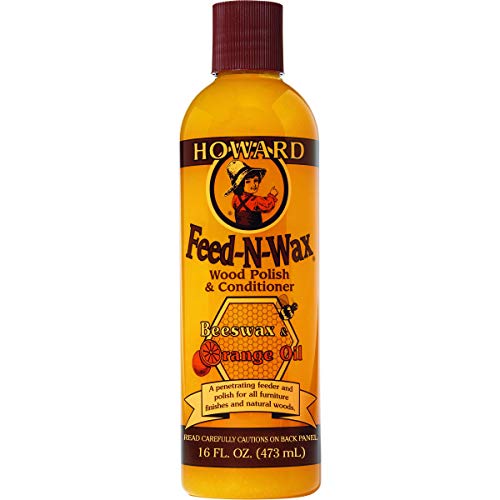

This blend of beeswax, carnauba wax, and orange oil is a staple in woodworking, but its utility extends perfectly to the fiber arts. It penetrates deep into the bamboo pores, effectively conditioning the wood from the inside out to prevent brittle surfaces.
Because it contains orange oil, it leaves a pleasant, clean scent and helps dissolve any gunk or grime that has accumulated on the needle shaft from hand lotions or atmospheric dust. The finish is remarkably durable, standing up well to the constant friction of high-gauge sock knitting or heavy, dense wool projects.
The tradeoff is that it requires a brief drying and buffing period before the needles are ready for use. If applied too liberally, it can leave a slightly tacky feel that might slow down the stitch transition, so always start with a very small amount.
Renaissance Wax: The Archival-Quality Choice

Renaissance Wax is the gold standard for preservation, originally developed for use in museums to protect precious artifacts from oxidation and humidity. For knitters, this translates into a finish that is incredibly stable, non-staining, and moisture-resistant.
It dries to a completely clear, hard finish that feels virtually invisible to the touch. This makes it the premier choice for those who want to maintain the “as-new” feel of their bamboo needles without altering the grip characteristics or adding any noticeable residue.
Because it is a synthetic micro-crystalline wax, it does not yellow or soften over time, regardless of the temperature or humidity in the knitting bag. It is the most expensive option, but for a favorite set of circulars that see heavy daily use, the longevity is unmatched.
Clapham’s Beeswax Finish: The Natural Option
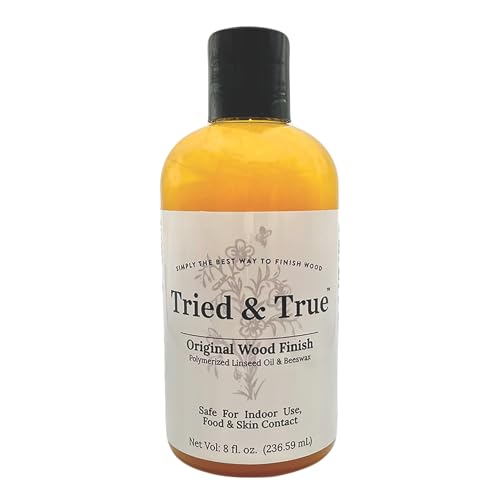
Clapham’s combines pure, food-grade beeswax with essential oils to create a simple, non-toxic barrier that feels natural against the hands. It is an excellent choice for knitters with sensitive skin or those who prefer avoiding petroleum-based chemicals in their tools.
The application process is straightforward: rub a thin layer on, let it set, and buff it out with a clean, lint-free cloth. It provides a soft, warm luster that keeps the bamboo hydrated and prevents the shaft from developing those tiny, invisible burrs that snag on delicate fibers like alpaca.
While it is exceptionally safe, it is slightly softer than synthetic waxes and may require more frequent application. If the knitting environment is very warm, the wax remains pliable, which can occasionally transfer to light-colored fibers if the needles are heavily saturated.
Daddy Van’s Beeswax: Simple & Non-Toxic Care
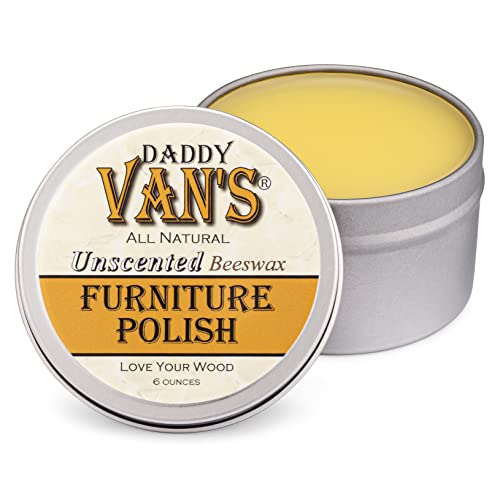
Daddy Van’s is prized for its minimalist ingredient list, consisting primarily of beeswax and olive oil. It is a no-nonsense conditioner that focuses on restoring the inherent flexibility of the bamboo fibers.
This product is particularly effective for “reviving” older, neglected bamboo needles that have lost their sheen. The olive oil acts as a carrier, helping the beeswax penetrate deeper into the wood grain, which can help straighten slightly warped needles that have been stored in less-than-ideal conditions.
The finish is smooth and reliable, though it lacks the high-gloss shine of carnauba-based products. For a knitter looking for a gentle, effective way to maintain their tools without harsh solvents, this is the most approachable option.
Town Talk Beeswax Spray: For Quick & Easy Use
Sometimes, the time spent waxing needles is time taken away from the project itself. Town Talk offers a spray-based solution that allows for a light, even coat without the need for manual rubbing or extended buffing.
This is the most efficient choice for high-volume knitters who need to maintain a large collection of needles quickly. A light misting over a needle roll, followed by a quick wipe, keeps the entire set conditioned and ready for the next cast-on.
Because it is a spray, it is easy to over-apply if the knitter is not careful. Always spray the cloth first rather than the needles directly to ensure a controlled, thin application that won’t result in sticky, uneven spots.
DIY Carnauba Wax Blend: For the Custom Finish
For the adventurous knitter who enjoys a bit of chemistry, melting down raw carnauba wax with a touch of mineral oil allows for a truly custom tool finish. Carnauba is significantly harder than beeswax, offering a superior “slip” that mimics the feel of polished wood or even metal.
This DIY approach is ideal for those who find standard bamboo too grippy for their personal tension. By increasing the ratio of carnauba in the blend, the needles gain a slick, glass-like coating that facilitates faster stitch movement, which is essential when working with complex lace patterns.
The primary risk is potential cracking if the blend is too brittle. It requires a precise ratio to ensure it remains smooth and flexible, making it a project best suited for those who appreciate the tinkering side of the hobby.
Why You Should Be Waxing Your Bamboo Needles
Bamboo is an organic material, meaning it is susceptible to environmental changes. Without regular conditioning, bamboo needles lose their natural moisture, which leads to increased surface friction and eventual microscopic cracking.
These microscopic cracks are the primary cause of snags when working with high-twist or multi-ply yarns. By waxing, you effectively “seal” the surface, ensuring that your yarn glides smoothly over the needle shaft rather than catching on frayed wood fibers.
Furthermore, wax acts as a protective shield against the acidity of human sweat. Over months of handling, the salts and oils from your hands can darken or degrade the bamboo; a good wax barrier preserves both the appearance and the structural integrity of your tools.
How to Properly Wax Your Bamboo Knitting Needles
Begin by ensuring the needles are clean and completely dry. Use a soft, lint-free cotton cloth to apply a very small amount of wax—a little goes a long way, and excess wax only creates more work during the buffing stage.
Apply the wax in long, steady strokes, working from the point down to the join. Focus extra attention on the first two inches of the needle, as this area experiences the most friction as you manipulate stitches.
Allow the wax to sit for at least fifteen minutes, or as directed by the product instructions. Finally, buff the needles with a clean section of the cloth until they feel smooth and cool to the touch, ensuring no tacky residue remains that could transfer to your yarn.
Beeswax vs. Carnauba: What’s the Difference?
Beeswax is a natural, soft wax that provides a “grippy” finish. It is ideal for beginners or those working with slippery synthetic yarns, as it adds a touch of resistance that helps keep stitches securely on the needles.
Carnauba wax, sourced from the leaves of the Brazilian palm tree, is much harder and creates a slicker surface. It provides excellent protection against moisture and creates a high-gloss finish that allows for faster knitting speeds.
Most commercial needle waxes are a blend of both, designed to balance these properties. When choosing a product, consider your knitting style: opt for higher beeswax content if you want more control, and higher carnauba content if you want maximum speed.
How Often Should You Condition Your Needles?
There is no fixed schedule for conditioning; it depends entirely on how often you knit and the climate in your home. A good rule of thumb is to condition your needles whenever they start to feel “thirsty” or appear dull in the light.
If you are working on a long-term project, such as a large sweater or an intricate blanket, aim to wax your needles at the start of the project and again halfway through. If you live in an arid climate, you may find that your bamboo needles require more frequent maintenance to prevent drying.
Ultimately, trust the feel of the tool in your hands. If you find yourself having to “push” the stitches along the needle rather than letting them slide effortlessly, it is time for a fresh coat of wax.
Well-maintained bamboo needles are an investment in your comfort and the quality of your finished garments. By integrating a simple, periodic waxing routine into your fiber arts practice, you extend the lifespan of your tools and ensure every project flows with ease.