
6 Best Rubber Stoppers For Spill Proof Storage
Stop accidental leaks with our expert guide to the 6 best rubber stoppers for spill-proof storage. Discover durable, leak-proof solutions and shop our top picks.
Lost stitches are the silent enemy of every knitting project, turning hours of careful work into a tangled mess in seconds. A reliable set of point protectors ensures that when a project is set aside, it stays exactly where it was left. These small, often overlooked tools serve as the final line of defense against dropped stitches and snagged yarn. Choosing the right style depends on needle material, gauge, and how frequently a project transitions from a knitting bag to a shelf.
Clover Point Protectors: Best Overall Value


These classic rubber caps remain the gold standard for consistent, reliable protection. Their soft, pliable material grips needles of various compositions, from slick nickel-plated steel to warm, organic wood.
The design utilizes a simple friction fit that holds firm without stressing the needle tips. For anyone frequently moving projects between a craft room and a commute, these are the dependable workhorses of the knitting kit.
Because they are sold in multiple sizes and colors, they also serve as excellent reminders of specific gauge requirements. Keep these on hand in a project bag to ensure that stitches never slip off during transit.
The Knitting Barber Cords: Most Versatile Pick
Knitting barber cords take a different approach by replacing traditional caps with flexible silicone tubing that slides over the needle tips. These act as an extension, allowing the stitches to be pushed off the rigid needle and onto a soft, collapsible cord.
This functionality effectively turns a project into a “stitch holder” during travel. It is particularly effective for large, heavy projects like sweaters where long, rigid needles might otherwise bend or distort while tucked away.
The cord method allows the fabric to bunch up safely, preventing the needle tips from poking through project bags or linings. When ready to knit again, the cord serves as a guide to slide the stitches effortlessly back onto the needles.
Cocoknits Stitch Stoppers: The Stylish Choice
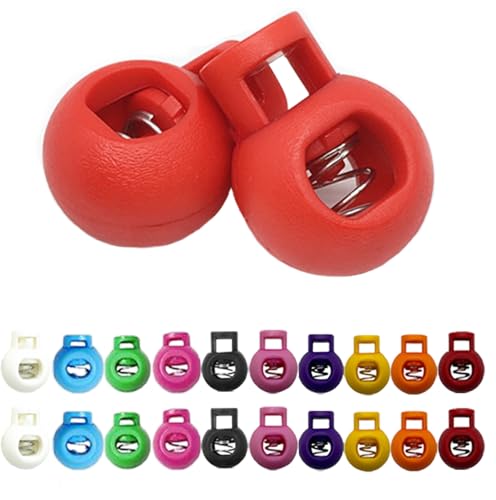
Cocoknits focuses on functional minimalism, offering silicone stoppers that are as aesthetically pleasing as they are practical. Their signature shape provides a snug fit that resists the tendency to pop off when handled.
These are an ideal choice for the knitter who values organization and visual appeal in their tools. They work exceptionally well with bamboo or wooden needles, as the silicone texture is designed to cling without damaging delicate grain structures.
Beyond looks, the material density is high, meaning they hold their shape over years of use. They won’t stretch out or degrade, even when pushed onto the larger needle sizes required for bulky, decorative knits.
Susan Bates Point Protectors: Top Budget Find
Susan Bates protectors provide a no-nonsense, utilitarian solution for the cost-conscious maker. These hard-wearing caps offer a secure grip that is essentially indestructible.
They are particularly well-suited for beginners who may be prone to losing small accessories. Because they are widely available and affordable, stocking up for every project in the queue is a practical strategy.
While they may lack the high-end tactile feel of silicone, they do exactly what is required: they stay put. For simple, repetitive tasks, there is little reason to seek out more complex or expensive alternatives.
Lantern Moon Protectors: Best Premium Option

Lantern Moon protectors represent a significant step up in material quality, featuring a smooth, matte finish that feels sophisticated to the touch. The fit is precise, designed specifically for artisans who demand excellence in their accessory choices.
These stoppers are engineered to slide onto needles with a satisfying, airtight seal. They are a perfect companion for high-end luxury needles, such as handcrafted rosewood or polished ebony, as they provide a gentle, non-abrasive grip.
For the knitter who treats their tools like an investment, these provide a tactile experience that matches the quality of the needles themselves. They are a functional upgrade that rounds out a professional-grade kit.
Boye Needle Protectors: The Classic Workhorse

Boye has been a staple in the fiber arts industry for decades, and their protectors reflect a legacy of functional design. These are designed to be intuitive, fitting quickly onto most standard needle sets without fuss.
The grip is secure enough to withstand being tossed into a tote bag full of notions and yarn scraps. They are built for longevity, rarely showing signs of wear even after heavy, repeated use.
If there is a specific need for a tool that simply works without requiring any special consideration, this is the go-to choice. They are the definition of reliable, serving the basic purpose of stitch retention with absolute efficiency.
How to Match Protectors to Your Needle Size
Most point protectors are sold in size ranges, such as “Small” for fine gauges and “Large” for chunky needles. It is vital to match the protector to the needle diameter to prevent the silicone or rubber from stretching out over time.
If a protector is too tight, it can strain the tip or become impossible to remove during a late-night knitting session. Conversely, a loose protector will inevitably slip off, defeating the purpose of the tool entirely.
- For sock needles (2.00mm–3.25mm): Always choose protectors specifically labeled for small-gauge needles.
- For standard needles (3.50mm–5.00mm): Most medium-sized caps will suffice, but test for a snug, secure fit.
- For bulky/chunky needles (6.00mm+): Invest in large-bore protectors to avoid damaging the needle finish.
Point Protectors vs. Stitch Holder Cords
Point protectors are intended for short-term storage and travel, keeping the needles attached to the work. They are the ideal choice when a project is put down for an hour or a day.
Stitch holder cords, such as The Knitting Barber style, are far better for long-term storage or heavy projects. By moving the stitches onto a cord, the risk of breaking or bending expensive needle tips is completely eliminated.
Choose a cord when storing a sweater on circular needles to avoid “memory” in the cable, which can make the circular cord stiff and difficult to use later. Use point protectors for quick, on-the-go security when the goal is to pick the project back up as soon as possible.
Beyond Storage: Other Uses for Needle Stoppers
These tools are not just for keeping stitches on needles; they are excellent for temporary gauge blocking. By sliding protectors onto the ends of needles, a knitter can create a makeshift circular holder to measure a swatch or check the width of a lace shawl.
They can also serve as makeshift “stitch markers” in a pinch. If a specific color or stitch pattern needs to be tracked on a straight needle, a spare protector can be used as a visual reminder.
Finally, consider using them to protect the inside of project bags. Sharp metal needles can easily puncture fabric or snag hand-dyed wool; a cap acts as a safety shield for both the yarn and the bag.
Will These Stoppers Fit All Needle Materials?
While most stoppers work on standard materials, there are exceptions. Very slick, polished metal needles may require a higher-grip silicone protector to prevent sliding, whereas wooden needles provide natural friction that makes almost any stopper work well.
Be cautious with porous wooden needles. Long-term contact with certain synthetic rubbers can occasionally leave a residue, though this is rare.
Always prioritize silicone over hard, inflexible plastic if the needle surface is fragile. Silicone will deform slightly to accommodate the tip shape, whereas rigid plastic might scrape or mar the surface of luxury wood or resin needles.
Protecting the integrity of a knitting project is a small investment that yields significant dividends in peace of mind. By selecting the right style of stopper—whether it be a simple cap or a flexible cord—you ensure that every stitch remains secure until the final bind-off. Choose the tool that best fits your specific project and storage habits, and enjoy the confidence that comes with a well-preserved piece of work.
