6 Best Non Stick Sprays For Blade Coating To Use
Discover the 6 best non stick sprays for blade coating to keep your tools sharp and debris-free. Read our expert guide and choose the right spray for your shop.
Sharp scissors and smooth rotary blades are the unsung heroes of a successful fiber arts studio, turning hours of prep work into a seamless experience. Dull or sticky blades catch on delicate natural fibers, leading to frayed edges and uneven cuts that ruin the drape of a finished garment. Maintaining tools with the right coating spray ensures that every snip glides through wool, silk, or heavy canvas without resistance. Keeping blades in peak condition preserves the longevity of expensive equipment and protects the integrity of high-quality fabrics.
Boeshield T-9: Best for Heavy-Duty Blade Care


Boeshield T-9 stands out for its exceptional rust prevention and long-lasting protective barrier. Originally developed for aerospace applications, it excels in damp environments where moisture might compromise steel shears.
It creates a waxy, waterproof film that stays put on the metal surface much longer than standard thin-film lubricants. This makes it a superior choice for protecting blades that see heavy use across diverse, potentially humid environments.
Use this when storing scissors for long periods or working in spaces where temperature fluctuations are common. Be aware that the waxy residue requires a light buffing to ensure no excess transfers to delicate silk or light-colored cotton yarns.
DuPont Teflon Silicone: Top All-Purpose Choice
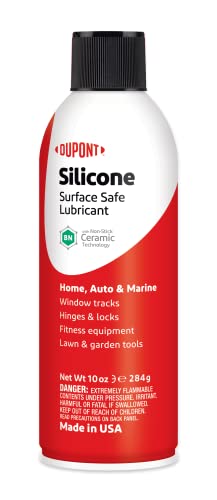
DuPont Teflon Silicone spray provides a slick, non-stick surface that minimizes friction instantly. It is highly effective for synthetic fibers or coated threads that tend to gum up scissor blades during repetitive cutting.
The formula is dry and non-transferable once cured, which is a major advantage for fiber artists concerned about fabric contamination. It repels dust and lint, keeping the pivot point of the shears clear of debris.
This is the go-to spray for general, everyday maintenance of sewing kits. If standard cuts feel sluggish, a quick application of this silicone spray restores factory-smooth performance without the need for frequent re-application.
TRI-FLOW Lubricant: Best for Rotary Cutters
Rotary cutters rely on extreme precision, and TRI-FLOW is formulated to penetrate deep into the mechanical assembly of the blade housing. It features high-grade lubricants that reduce the friction generated during high-speed, repetitive cutting motions.
The inclusion of PTFE additives ensures that the blade continues to spin freely even after extensive use on dense materials. It effectively prevents the build-up of fibers and adhesive residue in the rotating parts.
While highly effective, it is a heavier oil than simple silicone sprays. Apply it sparingly to the internal components rather than the blade edge itself to prevent unwanted transfer to the project fabric.
Blade-Saver Lubricant: Best for Fusible Webs
Fusible webs and interfacings are notorious for leaving sticky, gummy residue on blade edges that quickly degrades cutting performance. Blade-Saver is specifically engineered to resist the adhesion of these thermoplastic materials.
It works by creating a barrier that prevents the glue from bonding to the steel. This keeps blades sharp longer and prevents the frustration of “dragging” during precision cutting tasks.
This is an essential addition to the kit for those who frequently use iron-on stabilizers or appliqué techniques. Clean the blade thoroughly before the first application to ensure the coating bonds correctly to the metal.
Gingher Blade-Gard: Ideal for Scissor Blades
Gingher Blade-Gard is a professional-grade solution designed specifically for the high-carbon steel used in premium shears. It offers a balance of lubrication and rust inhibition that maintains the fine adjustment of the scissor pivot.
The formula is lightweight and does not create an oily mess that attracts dust. It preserves the fine edge of the blades, ensuring they remain sharp enough to snip fine lace threads cleanly without tearing.
Invest in this product if the shears are high-quality, forged steel tools. It is the gold standard for maintaining the heirloom-quality precision required for delicate fiber work.
Sewers Aid: The Best Budget-Friendly Option
Sewers Aid is a reliable, non-staining oil designed specifically for the needle and blade needs of fiber artists. It is thin, clear, and provides immediate relief to blades that have become clogged with lint or fiber dust.
The applicator allows for precise placement, meaning there is very little risk of overspray or waste. It is an excellent choice for a travel kit or as a maintenance staple for those just starting to build a collection of tools.
Keep in mind that as an oil-based product, it should be used very sparingly. A tiny drop or a quick, light mist is all that is required to restore smooth operation to most cutting tools.
How to Properly Apply Spray to Your Blades
Always clean the blades thoroughly with rubbing alcohol before applying a new coat of lubricant to remove old residue. Any existing grime acts as a barrier that prevents the new spray from bonding to the metal surface.
Apply the spray to a clean cloth first rather than spraying the tool directly. This prevents overspray from coating the handles, tension springs, or pivot mechanisms where it might attract unwanted lint.
Wipe the blades down gently, ensuring a thin, even coat is distributed across the entire cutting surface. Allow the lubricant to dry or set according to the manufacturer’s instructions before attempting to cut any fabric to avoid smearing.
What to Look For in a Blade Coating Spray
Prioritize sprays that feature “dry-film” or “non-transfer” properties to keep the workspace and projects clean. Oils that remain wet will attract dust, creating a grinding paste that dulls blades faster than usage alone.
Check for rust-inhibiting qualities, especially if living in a coastal area or storing tools in a basement. The best sprays offer a dual-action approach of lubrication and metal protection.
Consider the application method carefully. Precision nozzles or dab-on applicators are often superior to aerosol cans for preventing accidental contamination of nearby yarn stashes or soft-finish fabrics.
Will These Sprays Stain or Damage Your Fabric?
Most professional-grade sprays are designed to be inert once dry, but testing on a scrap piece of fabric is always a prudent practice. If a spray is applied too heavily, it can leave a greasy spot on absorbent materials like wool or linen.
If oil transfer occurs, it can usually be removed by blotting with a clean, dry cloth or treating the area with a small amount of mild dish soap. Never force the fabric through the blades if the spray is still tacky or wet.
To minimize risk, always apply the coating at the end of a session, allowing it to cure fully before the next project begins. A properly applied, cured coat should be virtually invisible and feel dry to the touch.
Safety Tips for Using Blade Coating Sprays
Work in a well-ventilated area to avoid inhaling aerosol mists or chemical fumes. Even non-toxic formulas can cause respiratory irritation if used in a cramped, unventilated closet.
Keep all sprays away from open flames or high heat sources, as many propellants and solvent carriers are flammable. Ensure that no spray mist settles on floors, as it can create a significant slip hazard.
Store all maintenance chemicals in a cool, dry place away from direct sunlight to preserve the integrity of the formula. Always keep the caps tightly secured to prevent evaporation and accidental spills.
By integrating these maintenance habits into a regular routine, the tools in a fiber arts collection will remain sharp and efficient for years. Choose the spray that best matches the primary materials being worked with, and prioritize consistency in application to keep every cut precise and effortless.