6 Cleaning Wipes For Removing Sticky Spills To Keep On Hand
Tackle messes fast with our top 6 cleaning wipes for removing sticky spills. Read our expert guide to choose the best products to keep on hand for your home.
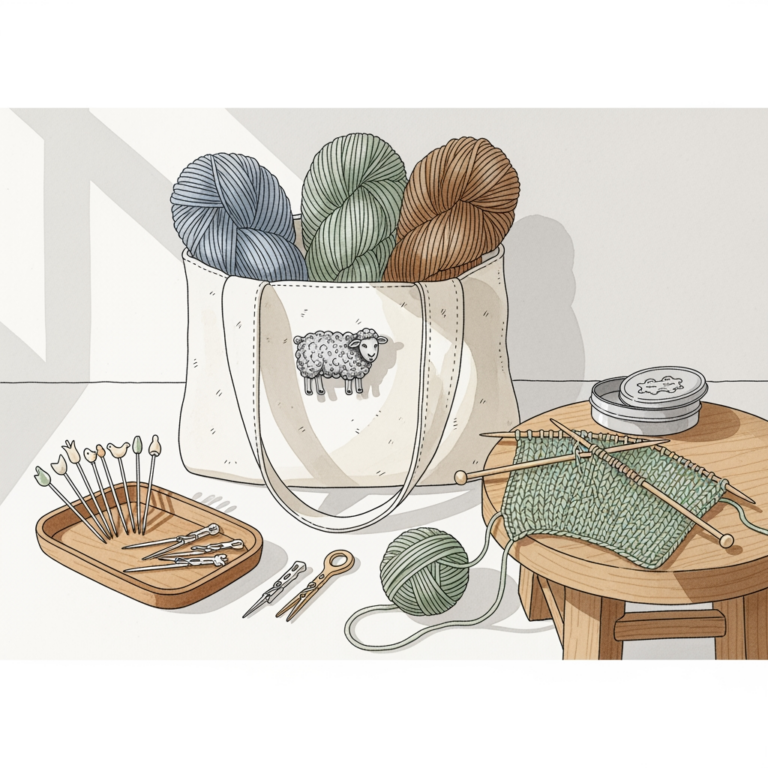
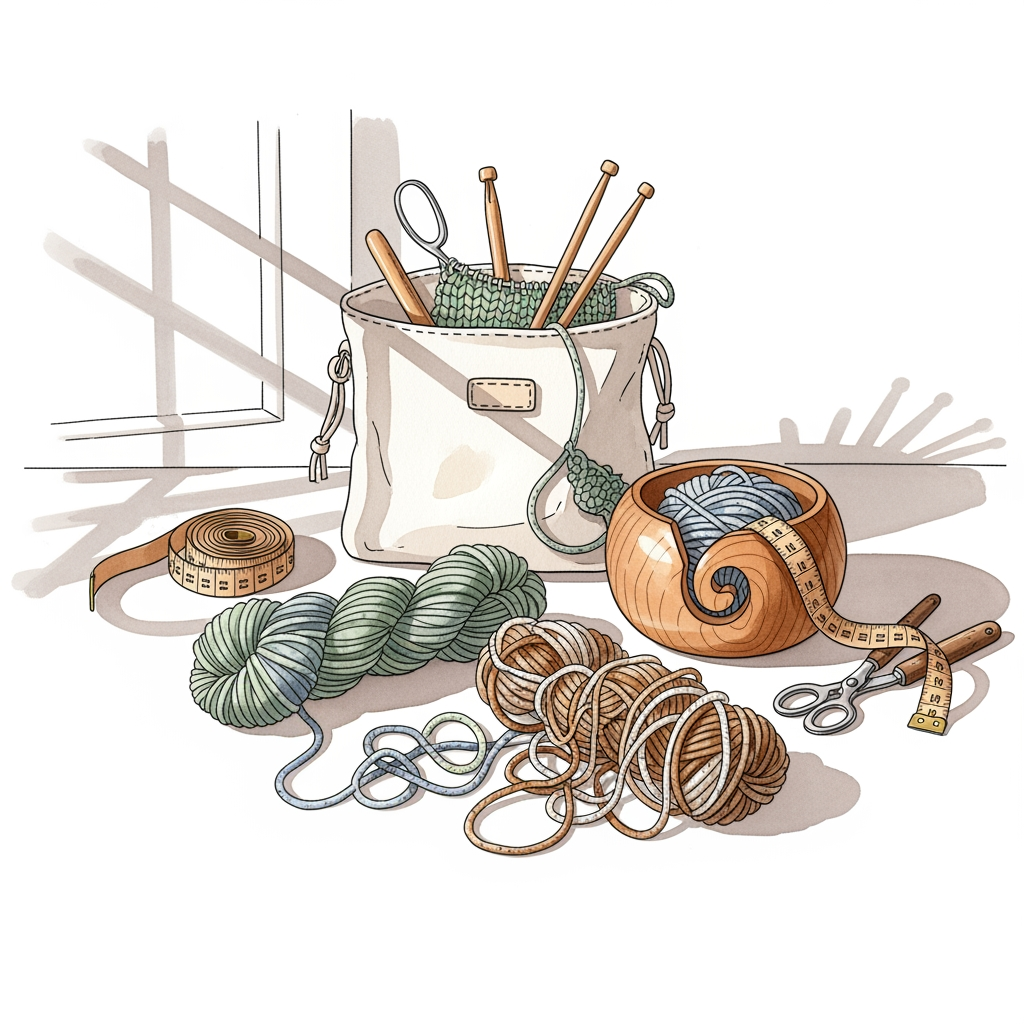
Every knitter knows the sinking feeling of a rogue drop of coffee or a sticky snack smudge landing on a nearly finished lace shawl. Protecting delicate fibers during the long process of creation requires having the right tools within arm’s reach at all times. A well-stocked knitting bag should contain more than just stitch markers and needles; it needs a specialized cleaning kit. These six wipes offer the best defense against accidents that threaten to ruin hours of hard work.
Shout Wipe & Go: For On-the-Go Stain Emergencies
Stains often happen in the least convenient places, like while knitting on public transit or during a retreat. Shout Wipe & Go pads are designed to act as a portable laundry treatment, breaking down spills before they set into the yarn.
These wipes excel at lifting surface-level oil or food residue from synthetic fibers like acrylic or superwash wool. Because the formula is concentrated, use it sparingly on high-twist yarns where heavy scrubbing might cause fraying or pilling.
Always carry these for fiber emergencies involving coffee or light snacks. When a spill occurs, blot—do not rub—the area to avoid pushing the stain deeper into the fiber ply.
Wet Ones Antibacterial Wipes: For Sticky Fingers


Knitting with dirty hands is the fastest way to soil a pristine white project. Wet Ones provide a quick way to clean hands between snack breaks, keeping oils and sugars off the needles and yarn.
Clean hands ensure that needles stay smooth and fibers remain free of residue that attracts dust. If hands are frequently sticky, they can leave behind a tacky film that makes yarn drag across wooden needles, hindering speed and tension consistency.
These are best kept in a side pocket of a project bag as a preventative measure rather than a stain remover for fabric. By cleaning the hands, the need for deep cleaning the project is drastically reduced.
Clorox Disinfecting Wipes: Clean Your Knit Space
Project bags, armchairs, and hard surfaces often harbor dust and bacteria that eventually settle into a project. Clorox Disinfecting Wipes are essential for sanitizing the knitting environment rather than the fibers themselves.
Never use these directly on delicate natural fibers like alpaca, mohair, or silk. The bleaching agents or heavy chemicals can strip natural dyes and weaken animal fibers, leading to potential breakage or permanent discoloration.
Use these to wipe down bamboo or metal needle cases and hard-surface notions organizers. A clean workspace translates directly to cleaner, more professional-looking finished objects.
WaterWipes Textured Clean: The Gentle Option
When a delicate lace project encounters a minor spill, WaterWipes provide a chemical-free way to lift the contaminant. Being composed primarily of water, they pose the least risk to sensitive fibers like merino wool or hand-dyed yarns.
The textured surface helps lift debris from the gaps between stitches without requiring aggressive rubbing. This is a crucial feature for textured cables, where dirt tends to hide in the recessed purl stitches.
Because they contain no soaps, there is a lower risk of leaving a residue that might attract future grime. Keep these for spot-cleaning fine, undyed, or specialty natural fibers where chemical cleaners are too risky.
OxiClean Wipes: Tackling Tough Set-In Stains
For stubborn accidents on hearty, durable yarns like cotton or blended sock yarns, OxiClean Wipes provide the necessary chemical strength to lift deep stains. These work best on items that have already been through a wash cycle but still harbor a lingering spot.
Exercise caution with dark-colored yarns, as the oxygen-based cleaning agents can sometimes cause localized fading. Always evaluate the yarn composition—durable, machine-washable blends handle these much better than delicate luxury fibers.
These are a secondary line of defense for when gentle methods fail. Reserve them for sturdy, high-use items like kitchen towels or heavy-duty tote bags.
Windex Electronics Wipes: For Pattern Screens
Modern knitting relies heavily on digital patterns and charts displayed on tablets and phones. Windex Electronics Wipes keep screens smudge-free, ensuring that intricate stitch diagrams remain legible and easy to follow.
Clear screens reduce eye strain, allowing for longer sessions of working through complex stranded colorwork or chart-based lace. A dirty screen makes it easy to misread a symbol, leading to frustration and dropped stitches.
These are specifically formulated to be non-abrasive and streak-free for glass and plastic interfaces. Never use household cleaning sprays on screens, as they can damage the anti-glare coatings on many digital devices.
How to Pick the Right Wipe for Your Knitting Bag
Choosing the right wipe requires understanding the fiber content of the project currently on the needles. Synthetic fibers like nylon and polyester generally tolerate chemical cleaners well, while animal fibers like wool and silk are highly absorbent and reactive.
Consider the finish of the yarn: * Superwash Wool: Tolerates moderate moisture and mild cleaners. * Hand-dyed Natural Fiber: Highly sensitive to chemicals; use only water-based wipes. * Plant Fibers (Cotton/Linen): Sturdy enough for tougher wipes but prone to permanent staining.
Always favor wipes with minimal fragrance and additives to prevent lingering odors. Fragrances can be difficult to remove from wool, which holds scent more readily than other materials.
Always Test First: How to Check for Colorfastness
Before applying any cleaning product to a project, a swatch test is mandatory. Find an inconspicuous area—the underside of a cuff or the tail of a cast-on—and apply the wipe gently.
Press the wipe against the fiber for thirty seconds and observe. If the wipe picks up color, the yarn is not colorfast, and any further cleaning will likely result in a bleached or patchy spot.
If the yarn is not colorfast, the only safe option is to avoid spot cleaning entirely. Instead, wait until the item is finished and perform a full, gentle soak with a dedicated wool wash to see if the stain can be lifted through total immersion.
Wipe vs. Wash: When a Quick Clean is Enough
A quick wipe is meant for surface-level incidents, not deep-set stains or overall garment refreshing. If the spill has saturated the yarn or soaked through to the inner structure of a cowl or hat, a spot clean will not be sufficient.
Over-cleaning a small spot can result in a “clean halo,” where one tiny section of the project looks drastically brighter than the rest. If the stain is large or the item is heavily soiled, skip the wipes and opt for a gentle wash according to the yarn’s care instructions.
Use wipes only when the alternative is letting a spill set. For deep cleaning, the best method is always a proper, basin-based soak with an appropriate cleanser.
What Wipes Can’t Fix: Treating Major Fiber Stains
There are limitations to what a pre-moistened wipe can achieve on intricate knit structures. A wipe cannot remove embedded lint, pilling, or deep-set biological stains that have bonded with the fiber proteins.
If a project suffers from a major stain, accept the reality that the yarn may require a deeper treatment process. Using harsh wipes on a major stain can often matt the fibers together, making it impossible to undo the damage later.
When in doubt, prioritize the structural integrity of the knitting over the immediate removal of the stain. Many projects are better served by a professional soak or a full wash than by excessive rubbing with a cleaning pad.
By keeping a curated selection of wipes in your knitting kit, you ensure that minor mishaps don’t turn into major project disasters. Use these tools wisely, always test your fibers first, and remember that keeping your workspace clean is just as important as maintaining your yarn stash. With these precautions, your knitting will remain as pristine as the day you cast on.