7 Best Wool Roving For Beginner Felting Projects
Ready to start crafting? Discover our top 7 picks for the best wool roving for beginner felting projects and begin your first creation with confidence today.
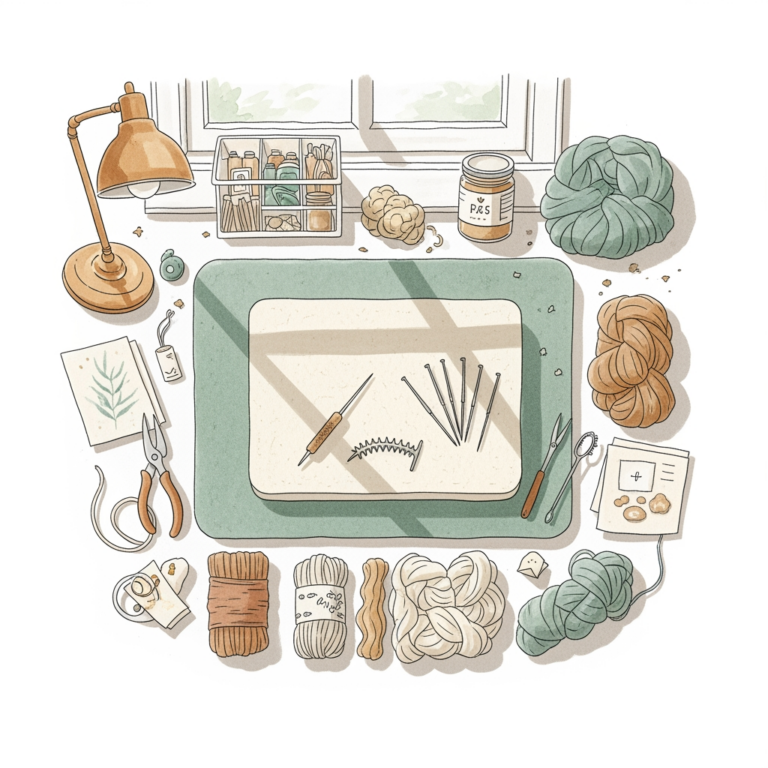
Needle felting is an accessible entry point into the world of fiber arts, requiring minimal equipment beyond needles, a foam pad, and the right wool. Choosing the correct roving can be the difference between a frustrating tangle and a beautifully crafted piece. While the visual appeal of colorful fibers is tempting, the physical properties of the wool define how quickly it locks together and how professional the final result appears. Mastering these materials allows makers to transition from simple shapes to intricate, sculptural designs with confidence.
Living Dreams Merino: Best for Soft Projects


Merino is the gold standard for projects requiring a cloud-like texture and a smooth, professional finish. Because of its extremely fine fibers, this roving felts rapidly, making it ideal for delicate items like small ornaments or soft-sculpture animals.
Beginners often gravitate toward Merino for its vibrant color saturation and silky touch. However, be aware that its fine nature means it can become fuzzy if over-worked with the needle. Use it for the outer layers of a project where surface aesthetics matter most.
Do not attempt to use Merino as a structural core for large items, as it compresses too much and consumes fiber rapidly. Reserve this for fine details or finishing touches to ensure a high-quality, polished look.
Ashland Bay Corriedale: A Beginner’s Staple
Corriedale wool sits in the perfect middle ground between the fineness of Merino and the structural integrity of coarser breeds. It is considered a workhorse fiber because it is forgiving, easy to handle, and holds its shape exceptionally well.
If a project involves creating basic shapes like spheres, cubes, or geometric charms, Corriedale is the most reliable choice. The fibers have enough texture to catch on one another during the felting process, which significantly reduces the amount of time spent poking the wool to achieve density.
This fiber is the go-to for those learning to gauge firmness in their felting. It provides enough resistance to let the maker feel when a piece is properly felted, avoiding the guesswork often associated with slipperier, finer wools.
Dimensions Roving Pack: Best for Color Variety
Variety packs offer a strategic advantage for those who want to experiment with color theory without investing in bulk amounts of individual colors. These packs are perfectly suited for small-scale projects, such as needle-felted landscapes, appliques, or tiny animal features.
The trade-off with these assortments is that they are rarely suited for large, three-dimensional armatures. The fiber quality is typically designed for surface work rather than structural density, meaning it may lack the crimp required for rapid felting.
Use these packs to build a color palette and refine needle control through surface embroidery and detail work. Once the desired colors are selected for a larger piece, consider purchasing those specific shades in higher-quality bulk roving.
LIVING FELT Core Wool: For Building Your Base
Experienced felters rarely use expensive, high-quality wool for the interior of a project. Core wool is a cost-effective, un-dyed, and sturdy fiber designed specifically to be the “skeleton” of a sculpture.
Building a solid base with core wool saves time and prevents the waste of premium, colored fibers. It felts incredibly quickly, allowing the maker to build volume and density before applying the final layer of color.
Avoid the temptation to start with colored wool for the base. By using core wool, the project retains its structural integrity, and the colored finish remains crisp and vibrant without any muddying from the interior.
Paradise Fibers Romney: For Durable Felting
Romney wool is renowned for its durability and structural stability. It is a long-staple fiber, meaning the individual strands are longer than those found in Merino, which gives it a slight “tooth” or grip.
This grip makes Romney an excellent choice for functional pieces like dryer balls, tea cozies, or small bags. Because the fibers lock together so securely, the final product is less likely to pill or distort with regular handling.
For beginners, Romney can feel a bit coarser than other options, but this translates into a sturdier outcome. If the goal is a sculpture that needs to stand on its own without drooping, Romney provides the necessary backbone.
Bluefaced Leicester: For a Smooth, Silky Finish

Bluefaced Leicester (BFL) is a luxury fiber prized for its distinct luster and softness. It does not felt as aggressively as Merino, which actually makes it an excellent choice for those who prefer to work slowly and deliberately.
The finished surface of BFL has a beautiful sheen that catches the light, making it perfect for decorative projects. It is a slightly longer fiber than Merino, which helps keep the surface clean and resistant to excessive fuzzing.
Use BFL when the project requires a sophisticated, refined appearance. While it is not the fastest felting option, the effort spent is rewarded with a professional, elegant finish that stands out from more matte, rustic wools.
Felted Sky Roving: Best Ethically Sourced
Ethical sourcing is a growing priority in the fiber arts, and Felted Sky offers a transparent look at the origin of their materials. For those who value the story behind their tools, this roving provides high quality without compromising on sourcing standards.
The fiber quality is consistently high, resulting in a clean, consistent texture that is a pleasure to work with. Consistent fiber means less time picking out vegetable matter or dealing with uneven clumps, which helps beginners stay focused on the felting technique itself.
Choosing ethically sourced wool is an investment in the longevity of the industry. It ensures the health of the animals and the land, which is a consideration that adds significant value to any finished handcrafted item.
Roving vs. Batting: Which Form Is Right for You?
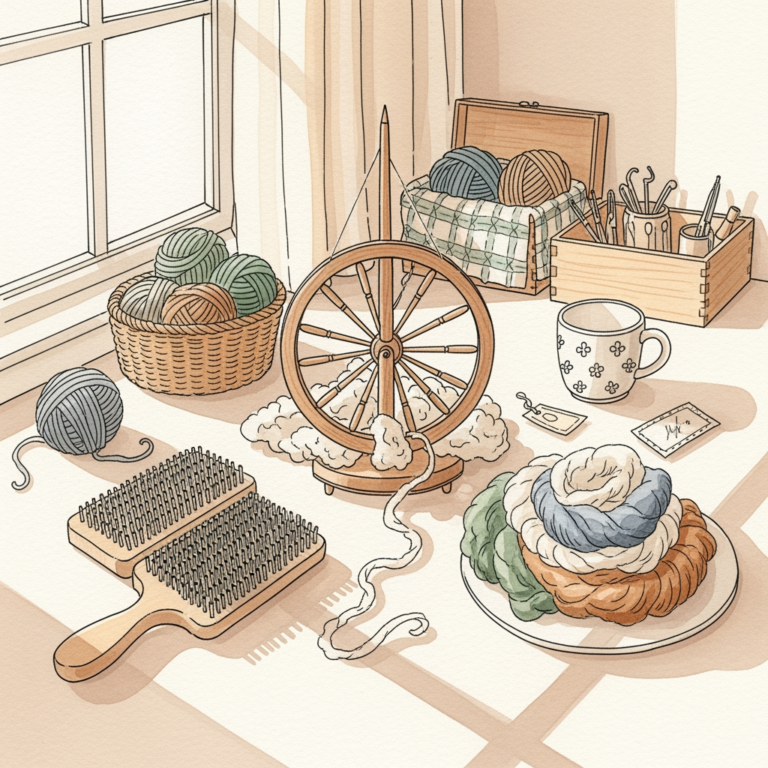
Roving consists of fibers that have been combed and aligned in a continuous rope, while batting consists of fibers that have been carded into a fluffy, non-aligned cloud. Roving is generally better for spinning or long, thin applications, while batting is superior for rapid felting.
Because batting fibers are disorganized, they interlock almost instantly when touched by a felting needle. Roving, due to the alignment of the fibers, often requires more “teasing” or pulling apart before it can be effectively felted.
If a project requires rapid building of bulk, prioritize batting. If the project requires precise lines, blending colors, or wrapping wire armatures, roving is the superior, more controlled choice.
Micron Count & Staple Length: A Quick Guide
The micron count refers to the diameter of the individual fiber, with lower numbers indicating a finer, softer wool. A lower micron count (under 23) felts fast and results in a soft texture, whereas a higher micron count (over 28) is coarser and more durable.
Staple length is the actual measurement of the wool strand from the sheep. Longer staples generally lead to stronger, smoother fabrics, while shorter staples are easier to manipulate for fine, delicate needle felting details.
When shopping, look for these two metrics to gauge how a wool will behave. Finer micron counts are for surfaces; longer staple lengths are for structure; understanding this balance is the key to choosing the right tool for the job.
How to Properly Store Your Wool Roving Supply
Wool is a natural protein fiber that can be vulnerable to moisture, sunlight, and pests like moths. Store all wool in airtight plastic bins to prevent dust accumulation and to keep the fibers protected from humidity.
Cedar blocks or lavender sachets can be placed in storage containers as a natural deterrent against moths. Never store wool in direct sunlight, as UV rays can fade the vibrant dyes and cause the fibers to become brittle over time.

Organize your stash by color or fiber type to keep the creative process efficient. Keeping fibers clean and properly climate-controlled ensures that when inspiration strikes, the materials are ready for immediate use.
The journey into needle felting is as much about understanding fiber properties as it is about artistic expression. By selecting the right wool for the specific demands of a project, the felting process becomes more intuitive and the results significantly more professional. Experiment with different breeds and textures to discover which fibers align best with the desired creative outcome. With the right foundation in materials, every project is set up for success from the very first needle poke.