6 Best Tea Cozy Covers For Heat Retention To Consider
Keep your brew hot for hours with our top 6 picks for tea cozy covers. Compare the best heat-retention designs and find your perfect kitchen essential today.
A steaming pot of tea is only as good as the duration of its heat. Without proper insulation, the temperature drops rapidly, leaving behind a lukewarm brew that misses the mark entirely. Selecting the right tea cozy is a balance of thermal science and aesthetic preference. These six options offer varied approaches to keeping a pot hot, whether through thick natural fibers or multi-layered textiles.
KnitPicks Felted Wool Cozy: Our Top Pick for Warmth
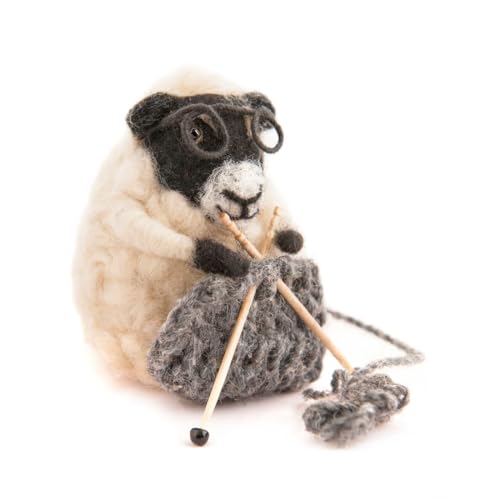

Felted wool is the gold standard for thermal retention because it creates a dense, impenetrable barrier of air-trapping fibers. The process of felting—shrinking wool through agitation and heat—locks the scales of the fiber together, resulting in a fabric that is significantly thicker and less porous than standard knitting.
When choosing a cozy for maximum warmth, look for high-loft wool that has been sufficiently fulled. The natural crimp of wool fibers holds pockets of stagnant air, which act as an excellent insulator against the cool ambient air of a kitchen.
The trade-off here is weight and care. Because the material is dense, it is heavy and must be hand-washed with care to prevent further unintentional felting. If maintaining a piping-hot steep is the priority, this is the superior choice.
Ulster Weavers Padded Cozy: A Classic Kitchen Staple

The Ulster Weavers padded cozy utilizes a traditional combination of heavy cotton canvas and polyester wadding. This construction provides a structured, upright shape that holds its form even after repeated use.
Cotton serves as the durable, washable outer shell, while the internal polyester batting provides the insulation. This layered approach is effective for casual tea drinkers who prioritize ease of cleaning and long-term durability over the rustic charm of wool.
Consider the thickness of the batting before purchasing. A thinner layer might look elegant on a small teapot, but it will lose heat faster than a thicker, more cushioned version.
Now Designs Insulated Cozy: Best for Modern Kitchens
Modern designs often incorporate thermal reflective materials, such as metallic linings, to bounce heat back into the teapot. These cozies are typically slimmer than traditional quilted versions, making them ideal for minimalist kitchens where storage space is at a premium.
While these do not rely on the thick fiber insulation of a knitted piece, the reflective barrier is remarkably efficient at heat retention. The synthetic exterior materials also resist stains far better than natural wool or cotton.
These are excellent for users who want performance without the bulk. They are generally machine washable, though heat-sensitive linings may require low-temperature drying.
Sophie Allport Knitted Cozy: For a Touch of Whimsy
A knitted cozy adds a soft, tactile element to the tea service that machine-made textiles cannot replicate. The Sophie Allport style focuses on high-quality acrylic-wool blends, which balance the warmth of natural fiber with the easy-care nature of synthetics.

Knitted fabrics provide a slight stretch, which is an advantage if the teapot has an unusual shape or a prominent spout. The air trapped within the stitch structure—especially in moss or seed stitch patterns—creates a natural thermal buffer.
Check the density of the knit before choosing. If the stitches are too open or lace-like, the heat will escape through the gaps, rendering the cozy purely decorative.
Dexam Double-Lined Thermal Cozy: Maximum Insulation
Double-lining is a simple but effective engineering choice for tea cozies. By using two layers of insulating material separated by a fabric wall, these cozies create an air gap that acts as a thermal break.
This construction is particularly beneficial for cast iron or stoneware teapots that retain heat well but need a heavy-duty cover to prevent rapid cooling from the top. It is the closest equivalent to a thermos jacket.
Because of the sheer amount of material involved, these can be quite rigid. Ensure the dimensions match the pot exactly, as there is little room for forced stretching or adjustment.
Quilted Cottage Cozy: Best Handcrafted Budget Option
Quilted cozies rely on the “sandwich” method: a top layer, a middle layer of batting, and a bottom lining. These are often the most affordable options and are widely available in various patterns.
Their effectiveness is almost entirely dependent on the quality of the batting inside. Look for cotton or bamboo batting, which offers better thermal properties than cheap polyester fleece.
If the quilt is thin, consider layering an extra piece of felt inside to boost performance. This is the most customizable option for those who enjoy minor DIY tweaks.
What Makes a Tea Cozy Warm? Fiber and Fabric Guide
Thermal retention in a cozy is determined by the material’s ability to trap air. Wool is naturally superior because its fiber structure is inherently curly, creating thousands of microscopic air pockets.
- Wool: Excellent natural insulator; retains heat even if slightly damp.
- Cotton: Breathable and durable, but requires thick batting to provide true insulation.
- Polyester Batting: Consistent performance, but can lose loft over time and through repeated washing.
- Metallic Linings: Reflects infrared heat back toward the pot; effective for thin, sleek designs.
Avoid thin, single-layer fabrics regardless of the material. A single piece of linen or cotton provides almost zero heat retention, no matter how decorative the print.
How to Measure Your Teapot for a Snug, Perfect Fit
A cozy that is too loose allows warm air to escape from the base and the spout area. Use a flexible measuring tape to find the widest circumference of the pot, including the handle and the spout if they are to be covered.
Measure the total height from the base to the top of the lid knob. Always account for a slight amount of “give” if the fabric has stretch, but aim for a snug fit to ensure the bottom edge sits flush against the table surface.
If the cozy is meant to fit multiple pots, prioritize a design with ties or velcro closures. Adjustable closures allow you to cinch the material tight, eliminating drafty gaps.
Knitted vs. Fabric Cozies: A Head-To-Head Comparison
Knitted cozies are generally thicker and possess a better “memory” for shape, especially if they are felted. They conform beautifully to rounded, ergonomic teapot shapes but require careful handling to avoid snagging or uneven stretching.
Fabric cozies, conversely, provide a structured, tailored look and are significantly easier to launder. They are less prone to pilling and snagging, making them the better choice for high-traffic environments or households with pets.
The decision comes down to the desired texture and maintenance tolerance. Choose wool if the goal is maximum heat retention and a handmade aesthetic; choose quilted fabric for durability and precise fit.
Caring For Your Tea Cozy to Keep It Fresh and Clean
Tea cozies are prone to absorbing spills and ambient kitchen odors, so regular maintenance is non-negotiable. For wool pieces, spot cleaning is preferred; if a full wash is necessary, use cool water and a wool-specific detergent to prevent unwanted felting or shrinkage.
Quilted or cotton cozies can generally handle machine washing on a delicate cycle. Always air dry these items, as high heat in a tumble dryer can degrade the internal batting and cause the outer fabric to lose its crisp shape.
Check for loose threads or thinning patches in the batting after every few washes. Maintaining the integrity of the insulation layer is the only way to ensure the cozy continues to perform its primary function of keeping the tea hot.
A well-chosen tea cozy transforms the simple act of brewing into a sustained ritual, ensuring that the last cup is just as warm as the first. By prioritizing natural insulators and a proper, snug fit, you can reliably keep your tea at the ideal temperature for an entire afternoon.