7 Specialized Cleaning Brushes For Stubborn Debris
Stop scrubbing harder and start cleaning smarter. Discover our top 7 specialized cleaning brushes for stubborn debris and make your home sparkle with ease today.
Every knitter knows the heartbreak of pulling a cherished hand-knit sweater from the drawer, only to find it obscured by a haze of pilling or unsightly fuzz. Maintaining the integrity of finished garments is just as essential as maintaining proper tension during the casting-on process. While some fibers are naturally more prone to friction-based wear, the right tool can revitalize a piece rather than thinning its structure. Selecting the correct brush ensures that the time invested in every stitch remains a joy to wear for years.
The Gleener: Best All-in-One Fabric Shaver


The Gleener stands out because it abandons the motorized, battery-operated approach in favor of three interchangeable edges. This mechanical design grants total control, preventing the accidental shearing of yarn plies that often occurs with high-speed electric shavers.
It features different edges calibrated for varying fabric weights, from bulky wool coats to delicate cashmere scarves. If a garment is knitted with high-twist yarn, the surface is often more resistant to pilling, whereas soft, single-ply yarns require a lighter touch.
This tool is the safest choice for those wary of “razor burn” on their knitting. By working with the grain of the stitch, the risk of snagging a loose fiber or breaking the yarn structure is significantly reduced compared to electric alternatives.
Gonzo Pet Hair Lifter: For Deeply Embedded Fur
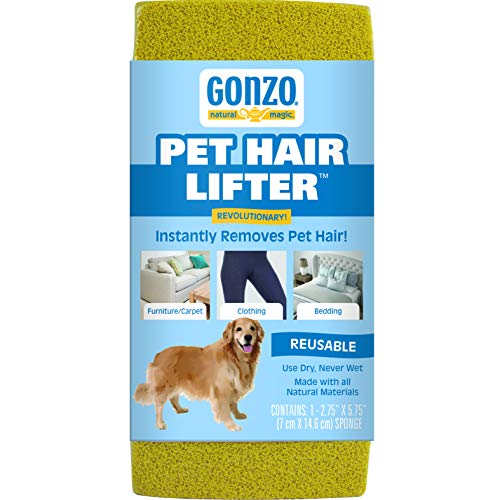
Pet owners know that hair weave acts as a magnet for shedding fibers, burying itself deep within the stitch pattern. The Gonzo Pet Hair Lifter utilizes a specialized sponge material that pulls debris out from between the purls and knits without snagging.
Unlike adhesive rollers that leave behind sticky residue, this tool relies on friction to grab hair. Sticky residue can actually attract more dust and debris over time, making future maintenance even more difficult.
Use this brush with long, steady strokes rather than a scrubbing motion. This preserves the loft of the wool and ensures that the surface fuzz remains uniform across the entire garment.
Lilly Brush Pro: Top Pick for Upholstery & Carpet

The Lilly Brush Pro is engineered for high-friction environments where debris is trapped beneath the surface. While primarily designed for furniture, it is remarkably effective at lifting stubborn, matted lint from thick, worsted-weight wool blankets.
Its angled bristles provide just enough tension to pull fibers upward without pulling them out of the fabric entirely. This is essential for maintaining the drape and weight of a finished project, especially after a long season of use.
When working on blankets or larger items, focus on clearing the edges where friction is highest. These areas often experience the most pilling, and a quick pass with this tool can restore a clean appearance without compromising the yarn’s structure.
Dritz Sweater Stone: A Gentle, Classic Depiller
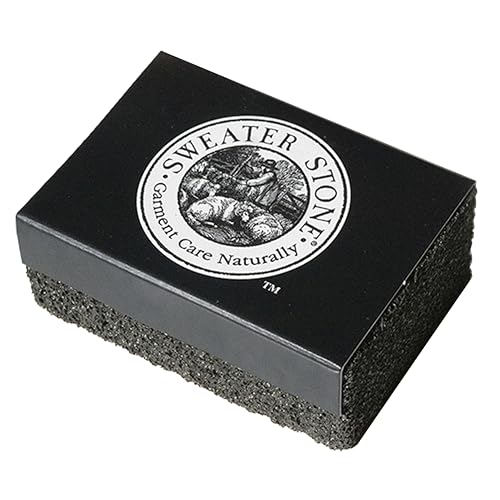
The Sweater Stone is a pumice-like block that has been a staple in fiber arts for generations. It excels at removing surface fuzz from heavy, robust fibers like Icelandic wool or dense felted projects.
Because it is an abrasive material, it should be used with a light hand. It works by catching the tiny, protruding ends of broken fibers and gently lifting them away from the base fabric.
It is best suited for garments that have already been broken in and have a sturdy structure. For very fine or novelty yarns, this tool can sometimes be too aggressive, potentially causing the fibers to look slightly fuzzy after use.
Redecker Cashmere Brush: For Delicate Fibers
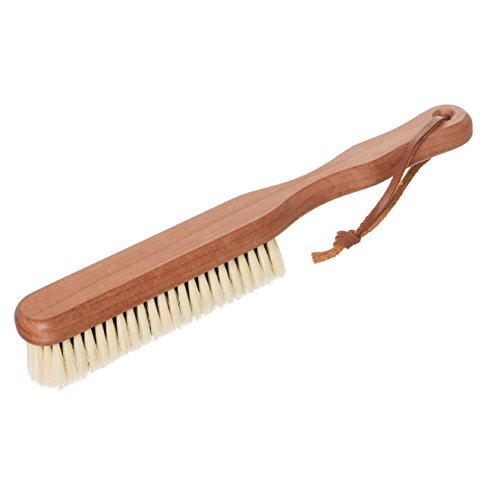
Luxury fibers like cashmere, angora, and mohair require a tool that prioritizes softness above aggressive cleaning. The Redecker Cashmere Brush uses natural bristles that gently groom the fibers rather than stripping them away.
This tool is less about “removing debris” and more about “restoring the bloom” of the fiber. It effectively realigns the surface fibers, which can help prevent pilling from forming in the first place.
Using this brush regularly is an excellent form of preventative maintenance. By keeping the fibers smooth and parallel, you reduce the surface friction that leads to unsightly matting after wear.
Howard Brush T-Brush: For Cleaning Carding Cloth
While originally designed for cleaning drum carders, the Howard Brush T-Brush is a secret weapon for knitters who work with raw wool. If bits of vegetable matter remain in a hand-spun yarn, this tool acts as a fine-tooth comb to clear them out.
It is particularly effective for those who brush out their finished garments to create a halo effect. The metal tines penetrate deep into the fabric, lifting and aerating the fibers without damaging the underlying stitch construction.
Caution is required when using metal tines on finished garments. Always test on a small, inconspicuous area to ensure that the tines do not catch or distort the individual stitches.
OXO Good Grips Sweep & Swipe: For Keyboards & Looms
The OXO Sweep & Swipe is a versatile micro-tool that bridges the gap between fabric care and studio maintenance. It is ideal for cleaning the delicate crevices of knitting machines or the intricate harnesses of a weaving loom.
Fiber dust accumulation in equipment is a common, often overlooked issue that leads to machine jamming or skipped stitches. The fine bristles move debris out of tight corners, while the flat silicone edge helps clear wider surfaces.
For knitters who maintain their own tools, this is an essential part of the kit. Keeping equipment free of lint ensures that the yarn glides smoothly and that tension remains consistent throughout a project.
Brush vs. Shaver vs. Stone: Which Do You Need?
The choice between a brush, a shaver, or a stone comes down to the yarn composition and the current state of the fabric. Shaving tools are strictly for removing existing pills, while brushes are for grooming and preventative maintenance.
- For synthetic-blend sweaters: A shaver is often necessary to cut tough, matted pills.
- For natural, lofty fibers: A brush is superior to maintain the intended softness.
- For thick, rustic wools: A sweater stone or metal-tine brush provides the necessary traction.
Always consider the fiber content of the item before choosing a tool. A garment made of a delicate, soft yarn will likely be damaged by the abrasive nature of a sweater stone, while a dense, woolen item might remain untouched by a soft-bristle brush.
How to Clean and Maintain Your Cleaning Brushes
To ensure your tools do not re-deposit dirt onto your clean knitwear, regular maintenance is mandatory. Brushes with bristles should be cleared of trapped fuzz after every use using a simple comb or a gentle tap.
For foam or sponge-based lifters, a quick rinse with warm water and a mild, wool-safe soap is sufficient. Always ensure the tool is completely dry before using it on a garment to avoid accidental water spots or mildew transfer.
Store your brushes in a dust-free environment, such as a drawer or a dedicated tool bag. Keeping them clean and organized not only protects your investment but also ensures your finished knits remain in pristine condition.
Using a Brush Without Damaging Your Knitwear
The golden rule of fabric care is to work with the natural direction of the yarn. Always brush in one direction, mimicking the lie of the fibers, to prevent creating new knots or causing unnecessary stress on the stitch structure.
Start with the lightest pressure possible, increasing force only if the debris does not lift. If you feel the brush “catching” or pulling on the yarn, stop immediately and assess whether you are snagging a loop rather than cleaning the surface.
If you are working on a garment with a complex stitch pattern, such as cables or lace, use even more caution. These textures create high and low points in the fabric; focus your attention on the flat areas and tread carefully around the raised portions where stitches are more exposed.
Consistent maintenance is the secret to a long-lasting hand-knit wardrobe. By choosing the right specialized brush and using it with patience and precision, you preserve the artistry of your work. Keep these tools at the ready, and enjoy the satisfaction of seeing your projects look as beautiful as they did on the day they were finished.