6 Music Stand Lights For Low Light Practice Worth Owning
Struggling to read your sheet music in the dark? Discover 6 top-rated music stand lights perfect for low-light practice sessions. Upgrade your setup today.
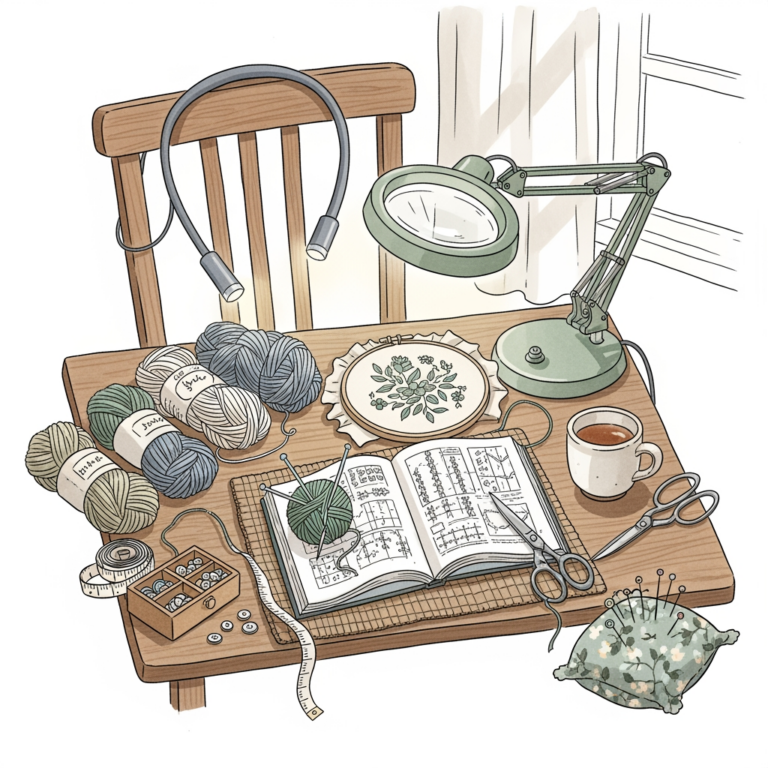
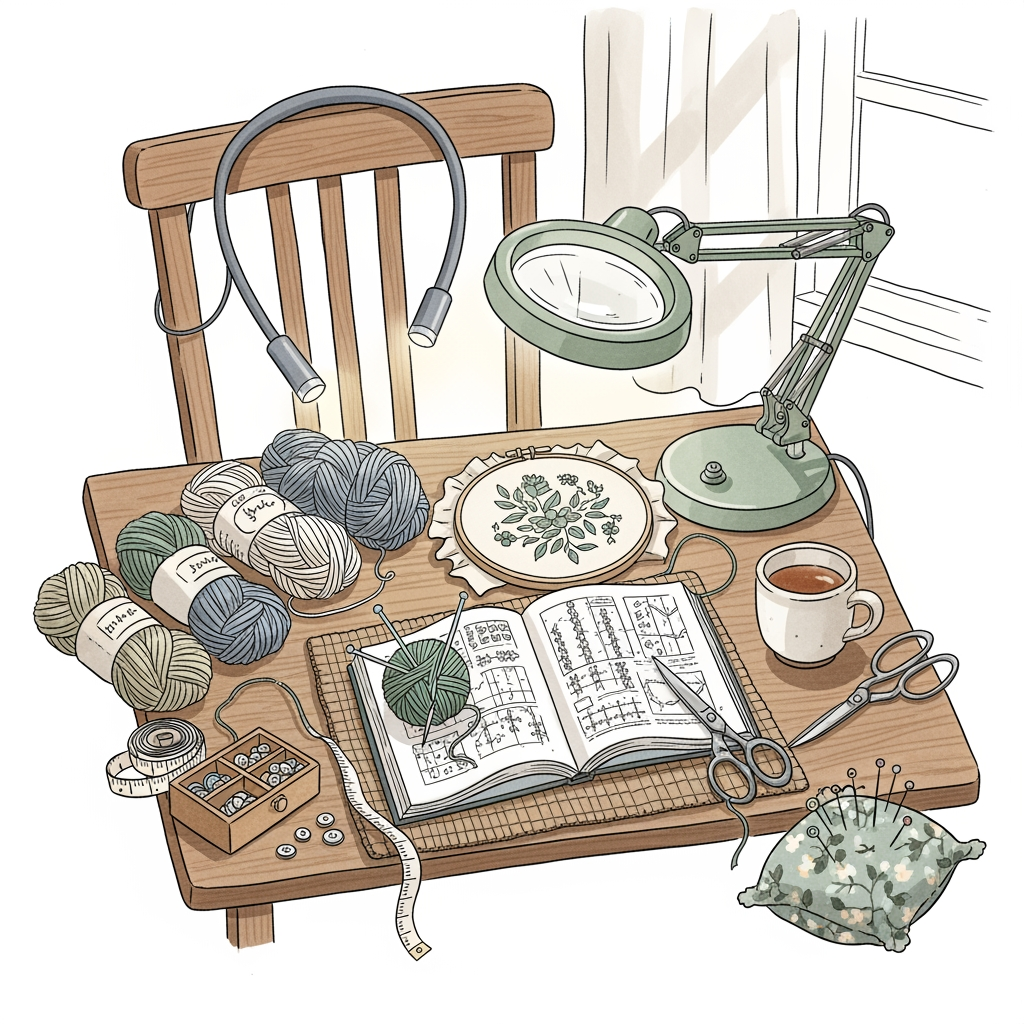
Low-light knitting sessions require precision and clarity, especially when working with dark-colored yarns or intricate lace patterns. A flickering or weak light source can lead to dropped stitches and unnecessary eye strain during long hours of work. Choosing the right illumination transforms a frustrating evening of squinting into a productive session of rhythmic progress. These six music stand lights offer superior brightness and versatility for any dedicated fiber artist.
KLIQ Music Stand Light: Brightest & Widest Beam


The KLIQ light excels when working on large-format projects like king-sized blankets or heavy cabled sweaters. Its broad, expansive beam ensures that every inch of the work area remains visible without constant readjustment.
Uniform illumination is essential when monitoring gauge, as shadows can easily disguise dropped stitches or accidental yarn-overs in complex patterns. The wide aperture prevents the common “tunnel vision” effect that occurs with smaller, more focused lamps.
For those who frequently switch between knitting and reading patterns, this light provides enough coverage for both tasks simultaneously. The bottom line: if the workspace is expansive, the KLIQ provides the most comprehensive coverage.
Mighty Bright Orchestra Light: The Pro Standard

This is the industry benchmark for reliability, favored by those who need consistent, flicker-free light for hours of meditative knitting. Its reputation for durability makes it a staple for anyone who considers their knitting station a permanent, professional space.
The primary benefit here is color accuracy, which is vital when working with delicate hand-dyed yarns where subtle shade variations matter. A quality light prevents the frustration of realizing a color mismatch only after the project has been bound off.
While it lacks some of the flashy modern features found in cheaper models, the longevity is unmatched. It remains the top choice for knitters who prioritize proven performance over novelty.
LUMINO Music Stand Light: Best All-Around Value
The LUMINO light strikes a balance between portability and structural integrity, making it an ideal choice for the traveling knitter. It features a sturdy clip that secures easily to a variety of surfaces, from project bags to armrests.
This light is particularly effective for those working on intricate, dark-colored projects like fingering-weight wool or mohair. The light intensity can be adjusted, allowing the knitter to preserve battery life when working with lighter-colored, reflective fibers.
It is a sensible investment for anyone who wants high-quality performance without paying for unnecessary bells and whistles. It excels in small, mobile spaces where clutter must be kept to a minimum.
Vekkia 30 LED Light: Top Pick for Portability

With its slim profile and lightweight frame, the Vekkia 30 LED is built for knitters who work on the go or in cramped, shared spaces. It folds down to a fraction of its size, sliding easily into a project bag alongside circular needles and stitch markers.
Despite its compact size, the 30 LED configuration provides a surprisingly sharp, focused beam. This makes it perfect for fixing dropped stitches or picking up a line of twisted ribbing during a commute or a flight.
It sacrifices a small amount of brightness compared to larger, corded units, but the convenience of portability is unparalleled. It is the ultimate tool for the knitter who refuses to be tethered to one location.
Glocusent Neck Light: A Knitter’s Favorite
The neck light design is a revolution for knitters who prefer working in comfortable, non-traditional seating like a recliner or a deep sofa. Unlike a stand light, which requires a specific surface for attachment, this light moves exactly where the hands go.
It shines a direct light onto the needles, which is significantly more effective for seeing fine-gauge work. This hands-free approach eliminates the need to constantly adjust a lamp head while moving the work closer or further away.
The soft, adjustable silicone arms ensure the light stays centered over the project without digging into the neck. It is arguably the most ergonomic solution for long-duration knitting sessions.
GIG-A-LITE PRO-18: Maximum Power Option
When working with black lace weight mohair or complex blackwork embroidery, standard lighting often fails to reveal the necessary detail. The GIG-A-LITE PRO-18 provides the raw intensity required to see every stitch clearly in high-contrast or low-visibility situations.
This light is engineered for the serious maker who cannot afford to lose their place in an elaborate pattern. The sheer volume of light output mimics bright daylight, which is essential for identifying mistakes in dark, absorbent fibers.
It is a heavier, more substantial piece of equipment, but the performance payoff for complex, dark projects is immense. It is essentially a high-powered floodlight for the knitting workstation.
How to Pick a Light for Your Knitting Project
Selecting a light requires assessing the type of yarn and the physical demands of the project. A lightweight, warm-toned light works beautifully for soft, neutral-colored wools, while cool-toned, high-intensity lights are required for dark, non-reflective synthetics.
Consider the physical space of the knitting area as well. If the pattern is digital, look for lights that offer a non-glare finish to prevent reflections on tablet screens.
Always prioritize adjustable brightness levels, as eye fatigue is cumulative during long nights of working. A light that can shift from a dim glow to a bright glare is infinitely more versatile than a single-setting lamp.
Light Color (Kelvin): Seeing Yarn Color True
The Kelvin scale measures the color temperature of light, which directly impacts how fiber colors appear. A warm light (lower Kelvin) can make cool-toned yarns look muddy, while a cool light (higher Kelvin) can make vibrant colors look harsh or sterile.
- 2700K – 3000K (Warm White): Best for natural wools, creams, and earthy tones.
- 4000K – 5000K (Daylight): The gold standard for true color rendering, essential for colorwork or precise dye matching.
- 6000K+ (Cool Blue): Useful for finding dropped stitches in very dark yarn, though it can be tiring for the eyes.
Choosing the right color temperature ensures that the final garment matches the intended aesthetic. Never underestimate the impact of lighting on the accuracy of complex stranded colorwork projects.
Battery Life vs. Corded: What Really Matters?
Corded lights provide unlimited, consistent power for marathon knitting sessions that last for days. They are ideal for stationary workspaces where a power outlet is nearby, ensuring the light never dims mid-row.
Battery-powered options offer the freedom to work from any chair or location without worrying about cable management. However, these lights require a commitment to recharging, which can lead to unexpected interruptions.
The best approach is to identify the main knitting habit: if the sessions are frequent and long, prioritize a corded model or a high-capacity rechargeable battery. For the casual, mobile knitter, a reliable rechargeable unit with a long battery life is usually sufficient.
Clip-On vs. Neck Light: Which Is Right for You?
Clip-on lights are excellent for providing a steady, reliable light source over a specific area. They are the standard for those who work from a pattern book or a fixed chart stand.
Neck lights are superior for the “wandering” knitter who shifts positions frequently throughout a project. They provide light that follows the movement of the hands, which is inherently more practical for intricate finishing work or tight-gauge knitting.
Ultimately, the choice depends on the stability of the knitting environment. Choose a clip-on for a dedicated desk or chair, and a neck light for ultimate flexibility and focus.
Finding the right light is as essential to the craft as choosing the right needle material or yarn weight. By selecting a tool that illuminates the specific needs of the current project, unnecessary eye strain is eliminated, and the focus remains entirely on the joy of creating. With the right gear in place, even the most challenging dark-colored patterns become a pleasure to knit.