6 Best Frame Clamps For Rug Hooking Projects To Try
Improve your craft with our expert guide to the 6 best frame clamps for rug hooking projects. Compare top-rated tools and pick the perfect upgrade for your kit.
Achieving consistent tension in rug hooking is as vital as maintaining a steady gauge when working stranded colorwork in wool. Without a stable frame that stays firmly anchored to the table, the rhythmic motion of pulling loops can become uneven and frustrating. Choosing the right clamp is the difference between a seamless, meditative process and a constant struggle to keep your workspace from sliding away. These six tools provide the stability necessary to keep your foundation cloth taut and your project pristine.
Irwin Quick-Grip C-Clamp: The Hardware Store Hero


The Irwin Quick-Grip is a versatile staple found in many well-equipped crafting rooms. Its primary strength lies in the one-handed operation mechanism, allowing for quick adjustments while holding a rug frame in position.
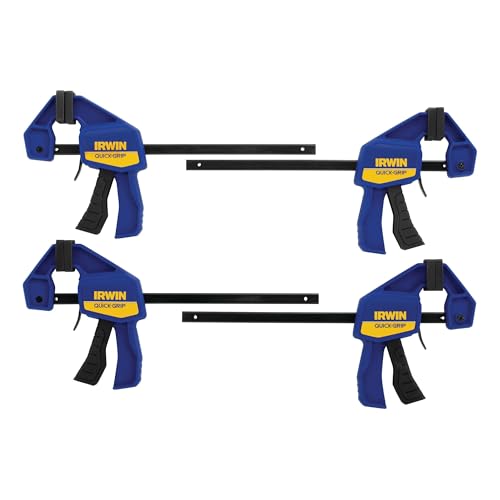
The non-marring pads are particularly important when working with wooden frames or finished surfaces. Unlike cheaper, bare-metal clamps, these prevent the unsightly gouges that can ruin expensive table surfaces or snag delicate backing materials.
Keep in mind that these are best for lighter-weight frames or smaller projects. If the rug frame is particularly heavy or the hooking motion is aggressive, a quick-grip mechanism may not provide the same unrelenting bite as a threaded screw clamp.
K’s Creations Z-Frame Clamp: For Lap Stand Users
Specifically designed for needlework and fiber arts, the Z-Frame clamp offers an ergonomic bridge between the frame and a work surface. It provides the necessary elevation to ensure the posture remains comfortable during long sessions.
The primary benefit here is the ability to adjust the angle of the frame rather than just its position. Being able to tilt the work toward the light or adjust for ergonomic comfort is just as important for a rug hooker as using the right needle size is for a knitter.
These are an investment piece for those who spend hours at a time hooking. While they are more expensive than basic shop clamps, the reduced strain on the shoulders and wrists makes them a superior choice for advanced makers.
Bessey Clutch Style Bar Clamp: For Max Stability
When working on large, heavy-duty floor rugs, a standard clamp often lacks the reach or the pressure needed to stay put. The Bessey Clutch Style bar clamp features a long handle that creates immense leverage, locking the frame into a near-permanent position.
The “clutch” design uses a series of plates that grip the steel bar, ensuring the pressure remains consistent throughout the session. This is the gold standard for those who apply significant force when pulling loops through heavy linen or burlap.
Because these are metal, always use a scrap of felt or heavy fabric between the clamp and the table. It is better to over-protect the furniture than to deal with a permanent dent in a dining room table.
Red-E-Edge Clamp Set: A Rug Hooker’s Favorite
The Red-E-Edge system is tailored specifically for the nuances of rug hooking frames. It is designed to grip the frame firmly without impeding the path of the rug hook or interfering with the hand position.
Many general-purpose hardware store clamps have bulky handles that obstruct the range of motion. This set is engineered with a lower profile, allowing for a more fluid, unrestricted hooking experience that feels more natural.
This is the ideal solution for those who find standard clamps distracting or clunky. It represents a purpose-built tool that solves the specific problems associated with traditional rug hooking frames.
WoodRiver Holdfast Clamp: An Old-School Solution
The WoodRiver Holdfast is a mechanical marvel that uses physics rather than a threaded screw to grip the table. It is designed for use on a workbench with pre-drilled holes, providing a secure, downward-pressure hold that is incredibly robust.
This is a niche choice, best suited for makers who have dedicated studio spaces. If you have a permanent hooking station with a heavy wooden table, nothing is faster to engage or release than a holdfast.
It does require a specific type of table surface to function correctly, as the hole size must be precise. Avoid this if you are hooking at the kitchen table, as it is strictly for professional-grade woodworking surfaces.
Pony Spring “A” Clamp: For Quick, Light Projects
Spring “A” clamps are the “grab-and-go” solution for holding a pattern in place or securing a small hoop. Their operation is instantaneous, making them perfect for those moments when you just need to tack a corner down.
They do not provide the heavy-duty tension needed for a large frame, but they are unmatched for agility. For small-scale, detail-oriented projects, these clamps will not weigh the frame down or cause the table to wobble.
Keep a handful of these in the notions bin just as you would spare stitch markers. They are inexpensive and solve the minor irritations that crop up when a project requires a quick, temporary fix.
How to Pick the Right Clamp for Your Hooking Frame
Choosing a clamp comes down to balancing the weight of your project with the limitations of your furniture. A large, heavy frame requires a bar clamp or a heavy-duty C-clamp, while a delicate lap frame can be easily managed with a spring clamp or a smaller C-clamp.
Consider the surface you are working on before buying. If the table is made of soft wood or has a high-quality finish, a clamp with large, soft pads is mandatory to prevent long-term damage.
Finally, evaluate your personal range of motion. If you find your arms getting tired, look for clamps that lift the frame to a more comfortable height.
C-Clamps vs. Bar Clamps: What You Need to Know
C-Clamps are threaded, which means they offer precise, incremental pressure. This is perfect for fine-tuning the tension on a frame, but the process of tightening and loosening them can be tedious over time.
Bar clamps offer much more reach, allowing you to bridge wide table skirts or thicker supports. They are generally faster to adjust, but they can be overkill for small, lightweight hooking projects.
Think of it like choosing needle materials; wood provides a different experience than metal, and likewise, the clamp design dictates how much “feedback” you get from your frame. Choose a threaded clamp for precision and a bar clamp for sheer, immovable power.
Protecting Your Frame & Table from Clamp Damage
The golden rule of clamping is to never let metal touch the finish directly. Use leather scraps, thick wool felt, or even high-density foam as a buffer between the clamp jaw and the table or frame.
This practice also adds a layer of “grip.” Often, a bare metal clamp will slide off a slick surface, whereas a piece of leather provides the necessary friction to keep the clamp locked in place.
Be wary of over-tightening. It is a common mistake to turn the screw until it feels like it will never budge, but this can actually warp a wooden frame over time.
Where to Place Clamps for Ideal Fabric Tension
Placement is key to maintaining an even, drum-like tension across the entire rug backing. Place clamps at the corners of your frame first, then work toward the center, ensuring the fabric is pulled uniformly from all sides.
Do not cluster all your clamps on one side of the table. Spreading them out ensures that the weight of the project is distributed evenly, which prevents the frame from twisting or sagging under the tension.
If you find the backing cloth starting to sag after a few hours of hooking, tighten the clamps in a cross-pattern. This ensures the tension remains balanced, much like how you would tighten the lug nuts on a wheel to keep it centered.
Investing in high-quality clamping equipment is one of the most effective ways to elevate the quality of your finished rug. By securing your frame with the appropriate tool, you create an environment where you can focus entirely on your craft rather than the mechanics of the setup. Choose wisely based on your project size, and you will find your hooking sessions becoming significantly more productive and enjoyable.