6 Best Professional Grade Mordants For Natural Dyeing
Achieve professional results with our guide to the 6 best professional-grade mordants for natural dyeing. Learn the right fixatives for your projects today.
Natural dyeing transforms a simple skein of undyed wool into a bespoke canvas of color, but the secret to long-lasting vibrancy lies in the chemistry of the mordant. Without a bridge between the dye molecules and the textile fibers, colors will bleed, fade, or wash out during the first blocking session. Mastering the use of professional-grade mordants ensures that the time spent hand-dyeing remains as durable as the stitches in a cabled sweater. Selecting the right foundation for the fiber allows for consistent results that stand up to the rigors of daily wear.
Potassium Aluminum Sulfate: Best Overall Mordant


Potassium Aluminum Sulfate, commonly known as alum, is the gold standard for beginners and masters alike. It is incredibly reliable, produces minimal color alteration, and is generally considered the safest option for home studios.
When prepping a protein-based fiber like wool or alpaca, alum creates a clear bond that allows the true hue of a botanical dye to shine through. It ensures that a delicate onion skin yellow or a deep madder red maintains its intensity across an entire project’s yardage.
Keep in mind that alum alone is not a miracle worker for all fiber types. It performs best on animal fibers, where it can penetrate the scale structure of the hair shaft effectively. If the goal is consistent, archival quality results, start here.
Aluminum Acetate: Top Choice for Plant Fibers
Plant-based fibers such as cotton, linen, and hemp lack the reactive sites found in wool, making them notoriously difficult to dye. Aluminum Acetate provides the necessary structural grip that standard alum lacks.
Because cotton is a thirsty, cellulose-based fiber, it often requires a two-step process involving tannin to ensure the dye doesn’t simply rinse away. Aluminum Acetate effectively “loads” the fiber, creating a surface that grabs onto color with professional tenacity.
If the aim is to dye plant-based yarns for a summer lace top or a washcloth, this is the essential purchase. Without it, plant fibers often result in dull, washed-out tones that lose their color intensity after a few cycles in the laundry.
Ferrous Sulfate (Iron): Best for Darker Shades
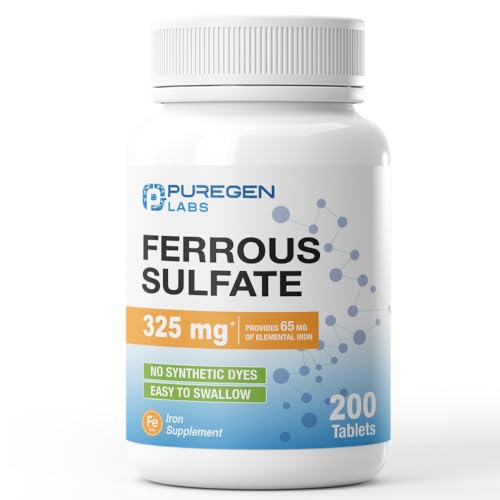
Ferrous Sulfate is a transformative agent that shifts colors toward darker, muted, or “saddened” tones. It acts as a modifier, pulling the richness out of botanical dyes to create complex grays, mossy greens, and deep charcoals.
Use iron sparingly, as it can be a harsh chemical. It has a tendency to make wool fibers brittle if used in too high a concentration. Always consider the integrity of the yarn; if working with an expensive, soft-spun merino, proceed with extreme caution.
Think of iron as a tool for creating a secondary color palette from the same dye bath. A bright yellow weld-dyed skein can shift into a sophisticated olive simply by dipping it into an iron after-bath. It is an indispensable secret weapon for achieving deep, moody, professional-looking shades.
Titanium Oxalate: The Modern, Safe Brightener
Titanium Oxalate serves as a brilliant alternative for those seeking vibrant, light-fast colors that feel exceptionally bright. It is particularly effective at bringing out the “punch” in dyes that might otherwise appear slightly muted.
This mordant is highly regarded for its ability to produce excellent light-fastness, making it a superior choice for heirloom blankets or items frequently exposed to the sun. It creates a crisp, clear base that prevents colors from becoming muddy.
While it is more expensive than standard alum, the payoff is in the quality of the finish. It works well on both protein and cellulose fibers, acting as a versatile, modern bridge between the fiber and the pigment.
Copper Sulfate: For Rich Greens and Blue Tones
Copper Sulfate is the definitive choice for those aiming for vivid, jewel-toned greens and teals. It reacts with specific tannins in the dye to pull out cool, rich spectrums that are difficult to achieve with other mordants.
However, use this substance with caution. Copper carries more environmental concerns than alum and requires careful disposal protocols. It should never be discarded directly into the local water supply.
Despite these precautions, the resulting color depth is unmatched. When paired with a plant-based dye like weld or fustic, it produces stable, professional-grade blues and greens that remain vibrant over years of use.
Gallic Tannin: The Essential Pre-Mordant Step
Tannins act as the primary anchor for cellulose fibers. Before applying metal salts like Aluminum Acetate, the fiber must be treated with a source of tannin to ensure the mordant has something to cling to.
Think of tannins as the primer for a wall; without it, the paint—or in this case, the dye—will eventually peel or fade. Gallic Tannin is a refined, clean-to-use version that provides a neutral base, ensuring that the yarn’s natural color remains unaffected.
Do not skip this step when working with plant fibers. It is the invisible backbone of a successful dye project. Once the fiber is saturated with tannin, it will accept the metal mordant far more readily, leading to deeper, more saturated results.
How to Choose the Right Mordant for Your Fiber
Choosing the correct mordant starts with identifying the fiber content of your yarn. Animal fibers like wool, mohair, and silk respond best to alum-based mordants, while plant fibers like cotton, bamboo, and linen demand a tannin-heavy approach.
Evaluate the desired end-use of the yarn before committing to a mordant. A garment that will see frequent washing requires a very stable, deep-seated bond, whereas a decorative wall hanging might only require a light mordant to preserve the brightness of the dye.
- Wool/Protein: Use Potassium Aluminum Sulfate.
- Cotton/Cellulose: Use Gallic Tannin followed by Aluminum Acetate.
- Deep/Muted tones: Incorporate Ferrous Sulfate.
- Bright/Vivid colors: Utilize Titanium Oxalate.
Always test on a small swatch first, just as you would check your gauge before starting a sweater. A quick test prevents the frustration of dyeing a massive quantity of yarn only to find the color doesn’t sit as expected.
Mordant Safety: Essential Studio Precautions
Mordants are chemical compounds and must be handled with the same respect as cleaning supplies or strong solvents. Always work in a well-ventilated space, as some heating processes can release fumes that are not meant for inhalation.
Never use your dyeing pots for food preparation. Once a pot has been used to mordant yarn, it is permanently retired from kitchen use. Keep a dedicated set of stainless steel or enamel equipment specifically for the dye studio.
Wear gloves and eye protection to prevent skin irritation. Accidents happen, especially when handling powders that can become airborne; wearing a dust mask when measuring mordants is a non-negotiable best practice for long-term studio safety.
Protein vs. Cellulose: A Mordanting Guide
The distinction between protein and cellulose is the single most important factor in the success of a dye project. Protein fibers are acidic in nature, while cellulose fibers are alkaline, meaning they react to dye chemicals in fundamentally different ways.
Protein fibers possess open sites that readily accept metal ions, allowing for a straightforward mordanting process. They are generally more forgiving, often resulting in vibrant, lasting color with minimal preparation.
Cellulose fibers are essentially smooth and resistant; they require the “filler” effect of tannins to create the microscopic landscape necessary for dye molecules to catch. Understanding this chemistry prevents the heartbreak of “fugitive” colors that wash away the first time a project hits the blocking basin.
Mordanting FAQs: Your Top Questions Answered
- Can I reuse a mordant bath? Yes, many mordant baths can be “exhausted” and replenished, but monitor the pH levels regularly.
- Is it possible to over-mordant? Yes, too much mordant can leave a sticky residue or make the yarn feel brittle and unpleasant to knit.
- Does water quality affect the mordant? Absolutely; hard water with high mineral content can unintentionally modify colors, especially when using iron or copper.
- Should I mordant before or after dyeing? Premordanting is standard, but some modifiers are applied after the initial dye bath to shift the color.
Consistency is the ultimate goal in the dye studio. By following established chemical ratios and respecting the needs of each fiber type, you move from simple experimenting to creating professional-grade, custom-dyed yarns that rival anything found in a boutique shop. Keep detailed records of your mordant-to-fiber ratios, as this data will become your most valuable asset when you want to recreate that perfect, elusive shade of teal or deep, earthy brown. Enjoy the process of discovery, and let the science of mordants secure the longevity of your craft.