6 Adhesive Labels For Yarn Stash Sorting To Stay Organized
Struggling to manage your yarn stash? Discover 6 effective adhesive labels to organize your collection by weight, fiber, and color. Shop these tips to get started.
A sprawling yarn collection is a hallmark of a dedicated maker, but it quickly transforms from a creative asset into a storage nightmare without a proper system. Labels act as the bridge between impulse buying and actual garment creation, ensuring that the perfect skein of silk-mohair doesn’t get buried under forgotten acrylic scraps. Without a reliable way to identify fiber content, yardage, and dye lots, even the most intentional stash becomes a graveyard for unfinished projects. Establishing an organizational strategy now prevents the inevitable frustration of trying to calculate gauge for a sweater that lacks a matching second skein.
Avery Removable Labels: The Best All-Purpose Tag


Avery removable labels stand out because they adhere reliably to plastic bins and ziplock bags while peeling away cleanly when the contents change. For the knitter who frequently rotates yarn between seasonal storage and project baskets, this flexibility is invaluable.
These labels offer enough surface area to record essential data like brand, colorway, and dye lot number. They are particularly useful for those who keep their yarn in clear bins, as the labels remain legible even after months of being shifted around on storage shelves.
The primary trade-off is the adhesive’s lifespan; if exposed to high heat or direct sunlight, the labels may lose their tack or leave a faint, gummy residue. They are best utilized as a semi-permanent solution for inventory that is accessed periodically rather than daily.
DYMO LetraTag: A Versatile Label Maker System
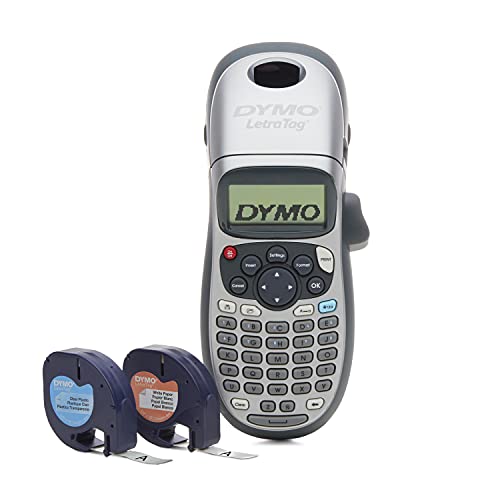
The DYMO LetraTag is a staple in many sewing rooms for a reason: it creates uniform, crisp, and professional-looking labels that are resistant to fading. This system is ideal for knitters who find handwriting on small tags difficult or illegible over time.
One distinct advantage is the variety of tape materials available, including plastic for moisture-resistant labeling and iron-on options for labeling fabric project bags. The machine is compact enough to keep on a craft desk, making it easy to generate a tag the moment a new purchase enters the house.
The cost of replacement tapes can add up, and the device requires batteries, which may be a point of friction for some users. However, the clarity of the printed text ensures that vital information like care instructions remains readable for years to come.
Phomemo D30 Label Maker: Best for Portability

The Phomemo D30 is a thermal label printer that connects directly to a smartphone, allowing for custom fonts and even the inclusion of icons or QR codes. This makes it perfect for the tech-savvy knitter who wants to manage their stash with high-tech efficiency.
Because the unit is battery-operated and fits in the palm of a hand, it is the most portable option for tagging yarn at local fiber festivals or pop-up shops. The thermal printing means there is never a need to replace ink cartridges, saving money and reducing long-term maintenance.
The trade-off is that these labels can be sensitive to thermal exposure; keeping them away from extreme heat is necessary to prevent the text from darkening or fading. Use these for quick, sleek identification of shelf-stable yarn containers.
ELEMSY Dissolvable Labels: For Temporary Tagging

Dissolvable labels are a genius solution for knitters who reuse glass jars or metal canisters to store yarn balls. When the container needs a new label, a quick rinse under warm water causes the label to disappear completely without leaving any sticky mess.
These are particularly useful for dyeing projects or when storing samples that are likely to be consumed quickly. They eliminate the need for scraping, scrubbing, or using harsh chemicals to clean containers, keeping your storage gear in pristine condition.
They are not suited for long-term storage or environments with high humidity, as damp air can compromise the label integrity prematurely. Reserve these for short-term project-specific organization.
Washi Tape: The Most Decorative Labeling Option

Washi tape offers a low-stakes, highly aesthetic way to organize a stash, especially for knitters who enjoy color-coding their bins. It is repositionable and comes in endless patterns, allowing for a creative, visual approach to sorting yarn by weight or fiber type.
Because it is thin, it can be layered over itself, and text written in permanent marker stays put quite well. It is a gentle alternative to traditional tape, as it rarely peels paint or finishes off of storage containers.
The downside is that it is not as durable as synthetic labels, and the edges may lift over time. Use it for personalizing your stash areas with a touch of whimsy without committing to a permanent organizational overhaul.
ChromaLabel Dots: For Quick Color-Code Systems
ChromaLabel dots provide a visual shortcut for identifying yarn weight or fiber content at a glance. By assigning a color to a category—such as blue for fingering weight and red for worsted—you can scan a shelf and identify what you need without reading a single word.
These are ideal for knitters who keep their yarn in opaque bins where a list cannot be seen from the outside. A quick dot on the lid or the side of the bin communicates essential weight information instantly.
Consistency is the key to this system; you must maintain a key or chart so you do not forget which color corresponds to which yarn weight. Use these as a secondary visual aid alongside a primary label that contains specific yardage and brand details.
What Information to Put On Your Yarn Stash Label
The utility of a label depends entirely on the information recorded on it. At a minimum, every label should feature the brand name, yarn weight (e.g., fingering, worsted), fiber content, and dye lot number.
If you are a serious garment knitter, also include the total yardage per skein and the recommended needle size for that specific yarn. For those who frequently work with animal fibers, adding a “last checked” date helps you track when you last inspected your stash for pests.
Avoid cluttering the label with too much data, as this can make it difficult to read quickly. If you have more information than the label allows, consider using a simple numbering system that links to a more detailed digital database.
Labeling Methods: Tagging Bins vs. Skeins
Tagging the exterior of a storage bin is efficient, but tagging the individual skein or ball ensures that your yarn remains identifiable if it is ever removed from its container. For rare or expensive hand-dyed yarns, attaching a small paper tag directly to the yarn label is a safer bet.
If you store yarn in clear bins, a label on the bin suffices until you start removing skeins for a project. In that scenario, keeping the original paper manufacturer’s band intact or creating a small “project tag” that travels with the yarn is a better practice.
Always consider the weight of the tag; avoid heavy plastic clips that might snag delicate fibers like silk or mohair. A simple cotton string or a light paper tag tucked into the center of a yarn cake is usually the most fiber-friendly option.
How to Remove Sticky Residue from Storage Bins
If a label leaves behind a gummy mess, avoid using abrasive tools that might scratch clear plastic. Instead, apply a small amount of oil—such as vegetable or mineral oil—to the residue and let it sit for a few minutes before wiping it away with a cloth.
For tougher adhesives, rubbing alcohol is usually safe for most plastics, though it should be tested on a small, inconspicuous area first. Avoid using heavy-duty solvents like acetone, as these can cloud or melt certain types of plastic storage boxes.
A clean bin not only looks better but also ensures that future labels will adhere properly without bubbling. Regular maintenance of your storage containers is just as important as the organization of the yarn itself.
Digital Stash Tools vs. Physical Labeling Systems
Physical labels are excellent for immediate, tactile identification, but they lack the depth of digital inventory tools. Websites and apps allow you to log every detail, including photos, project ideas, and current market prices, which is a massive advantage for large collections.
The ideal setup often involves a hybrid approach: physical labels on the bins for quick identification and a digital database for comprehensive management. Use the digital tool to plan your next project, then check the physical label to confirm you have the right dye lot in your hand.
Relying solely on digital tools risks losing your data if the platform changes, while relying only on physical labels can make it hard to remember what you have in deep storage. A dual system ensures your yarn stash stays organized, accessible, and ready for your next knitting project.
Properly organizing your yarn stash is an act of respect for your materials and your future self. By implementing a system that balances physical labels with a clear, reliable workflow, you remove the barriers between you and your next masterpiece. Invest the time to organize now, and you will find that your stash becomes a well-curated library rather than a source of stress.