6 Best Underbed Bins For Craft Overflow To Organize Stash
Struggling with craft supply clutter? Discover the 6 best underbed bins to organize your stash and reclaim your space. Shop our top storage picks today!
The floor of a dedicated craft room often becomes a graveyard for half-finished skeins and forgotten notions bags. When the yarn stash inevitably outgrows the shelves, the space beneath the bed provides the ideal, climate-stable environment for long-term storage. Properly securing fiber stash protects precious wools from dust, light exposure, and the dreaded moth damage that can ruin a hand-dyed treasure in weeks. Choosing the right underbed bin is the difference between a curated, accessible inventory and a disorganized heap of tangled fiber.
IRIS USA Latching Bins: Best Overall Stash Tamer
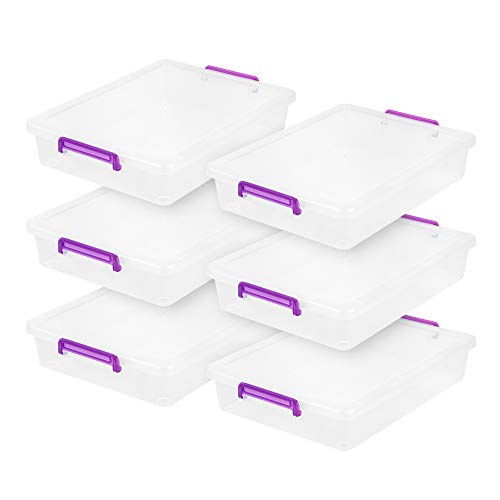

These bins offer the structural integrity required to keep yarn away from moisture and household pests. The latching mechanism is particularly robust, ensuring the lid stays sealed even if the bin is dragged frequently across a bedroom carpet.
For high-end fibers like alpaca or cashmere, the tight seal is essential for maintaining a consistent internal environment. These bins are transparent enough to see the contents at a glance, yet sturdy enough to survive being slid in and out of tight clearance spaces.
They are the gold standard for long-term storage of project-ready yarn. If the goal is to store precious hand-dyed skeins for years before finding the right pattern, the security provided by these latching lids is worth the investment.
Sterilite Wheeled Bins: Best for Easy Access

Wheeled containers solve the problem of weight. A bin filled with worsted-weight wool or cotton yarn is surprisingly heavy, making a static bin difficult to move without scraping the floor or straining one’s back.
The wheels on these units allow for fluid movement even when packed to capacity. This is ideal for a knitter who rotates stash frequently based on the season, such as pulling out lighter linen or silk blends as warmer weather approaches.
One trade-off is that wheels can sometimes raise the overall height of the bin, potentially causing clearance issues under lower bed frames. Measure the gap precisely before purchasing to ensure the bin slides underneath without snagging.
The Container Store Box: Best Premium Protection
Sometimes, the stash contains investment-grade fibers—think hand-spun, silk-blend, or limited-edition indie-dyed colorways that deserve superior care. These bins feature high-clarity plastic and refined hinges that feel more substantial than standard big-box store options.
The reinforced corners and snap-tight latches offer an extra layer of defense against accidental impact or dust infiltration. For those living in humid climates, the quality of the seal is often superior, providing better protection against the moisture that can cause yarn to smell musty or promote mildew.
While these come at a higher price point, the cost is fractional compared to the replacement value of a high-quality wool stash. They represent a long-term organizational strategy rather than a temporary fix.
HOMZ Clear Containers: Best Budget-Friendly Bulk Buy
When the yarn collection expands rapidly—perhaps after a generous sale or a festival spree—budget becomes a factor. These containers are functional, stackable, and designed to maximize the volume of fiber that can be stored in a flat footprint.
They lack the heavy-duty latches of more premium lines, relying instead on lids that click into place. This is perfectly acceptable for storing less sensitive synthetic yarns, cotton blends, or finished swatches that do not require an airtight environment.
Use these for the “workhorse” yarns that are less prone to environmental damage. They serve as a reliable, cost-effective way to get the stash off the floor and into a structured system.
Ziploc Flexible Totes: Best for Awkward Spaces
If the space under the bed is uneven or restricted by support beams, rigid plastic bins will often fail. Flexible totes collapse to fit into tight corners or irregular gaps that refuse to accommodate a hard-sided container.
These are excellent for storing bulky items like finished blankets, oversized sweaters, or yarn in bags that don’t need a perfectly rectangular shape. They are lightweight and easy to maneuver, making them a top choice for guest rooms or storage areas with limited overhead clearance.
Because they are not rigid, they do not offer the same level of crush protection as plastic. Avoid putting heavy equipment or sharp knitting needles inside these to prevent the fabric from tearing or the contents from losing their shape.
Onlyeasy Fabric Bags: Best for Finished Objects
Finished items require breathability. Storing a hand-knit wool sweater in an airtight plastic bin for too long can sometimes trap moisture, leading to unpleasant odors or fiber degradation.
These fabric bags provide a breathable, dust-proof barrier that keeps finished garments clean while allowing the fibers to breathe. They are perfect for rotating seasonal items, like keeping wool socks accessible in winter and stowed away during the summer months.
Ensure that any item stored in fabric is clean and completely dry before packing. Even small traces of skin oils or moisture can attract moths or mildew in closed fabric containers.
How to Choose the Right Bin for Your Type of Stash
The selection process starts with the yarn’s fiber content. Animal fibers like wool, mohair, and angora are susceptible to insect damage and require the airtight protection of latching plastic bins.
Vegetable fibers such as cotton, linen, and bamboo are more resilient but still benefit from dust protection. When deciding, consider the following checklist:
- Sealability: Are there pets or moths in the house? Choose latches over friction lids.
- Weight: Will the bin be filled with dense wool or lightweight acrylic? Wheels are a must for heavier loads.
- Visibility: Do you need to see the colors without opening the bin? Choose clear plastic over opaque fabric.
- Dimensions: Always measure the lowest point of your bed frame to avoid mid-task frustration.
Plastic vs. Fabric Bins: A Knitter’s Guide
Plastic bins provide a physical barrier against almost everything—dust, moisture, pests, and curious pets. They are essential for long-term storage of expensive natural fibers where the risk of loss is high.
Fabric bins offer a more aesthetic, breathable option for items that see frequent use. They are less effective at keeping out determined insects, but they are superior for storing items that need to remain wrinkle-free or aerated.
For the best results, use plastic for the “deep stash”—the yarn waiting for a future project—and fabric for the “in-rotation” items like current WIPs (Works-in-Progress) or seasonal accessories.
How to Prep Yarn for Long-Term Stash Storage
Never store dirty yarn. Even if the project wasn’t finished, yarn that has been handled has absorbed skin oils that can attract pests over time.
Always wind skeins into loose hanks or cakes, but ensure they are not under extreme tension. Over-stretched yarn can lose its elasticity, which complicates gauge when it is finally time to start the project.
Finally, include a deterrent. Cedar blocks or lavender sachets are standard, but they must be refreshed periodically. If the stash is kept in a dark, cool, and dry place, the need for these additives decreases significantly.
Beyond Bins: Organizing Your Stash Inside the Box
A box of disorganized yarn is just a more expensive pile of clutter. Use smaller dividers, clear zip-top bags, or even shoe boxes inside the main bin to categorize by weight, fiber type, or intended project.
Keep a small inventory card or a digital spreadsheet attached to each bin. Knowing exactly how many yards of worsted-weight superwash wool are in “Bin 3” prevents the frustration of buying duplicates.
Finally, keep notions separate. Needles, stitch markers, and measuring tapes should have their own dedicated storage containers. Mixing sharp metal needles with soft yarn inside a bin is a recipe for snagged fibers and broken equipment.
Properly managing a stash is an act of respect for the craft itself. By investing in the right storage containers and following best practices for fiber preservation, the integrity of every skein is maintained until the day it is cast onto the needles. A well-organized stash creates a sense of calm that allows creativity to flourish, turning potential overwhelm into a library of endless possibilities.