
6 Craft Caddies For Desk Adhesive Organization Ideas
Organize your workspace with these 6 clever craft caddies for desk adhesive storage. Read our guide to find the perfect solution for a tidy, efficient desk.
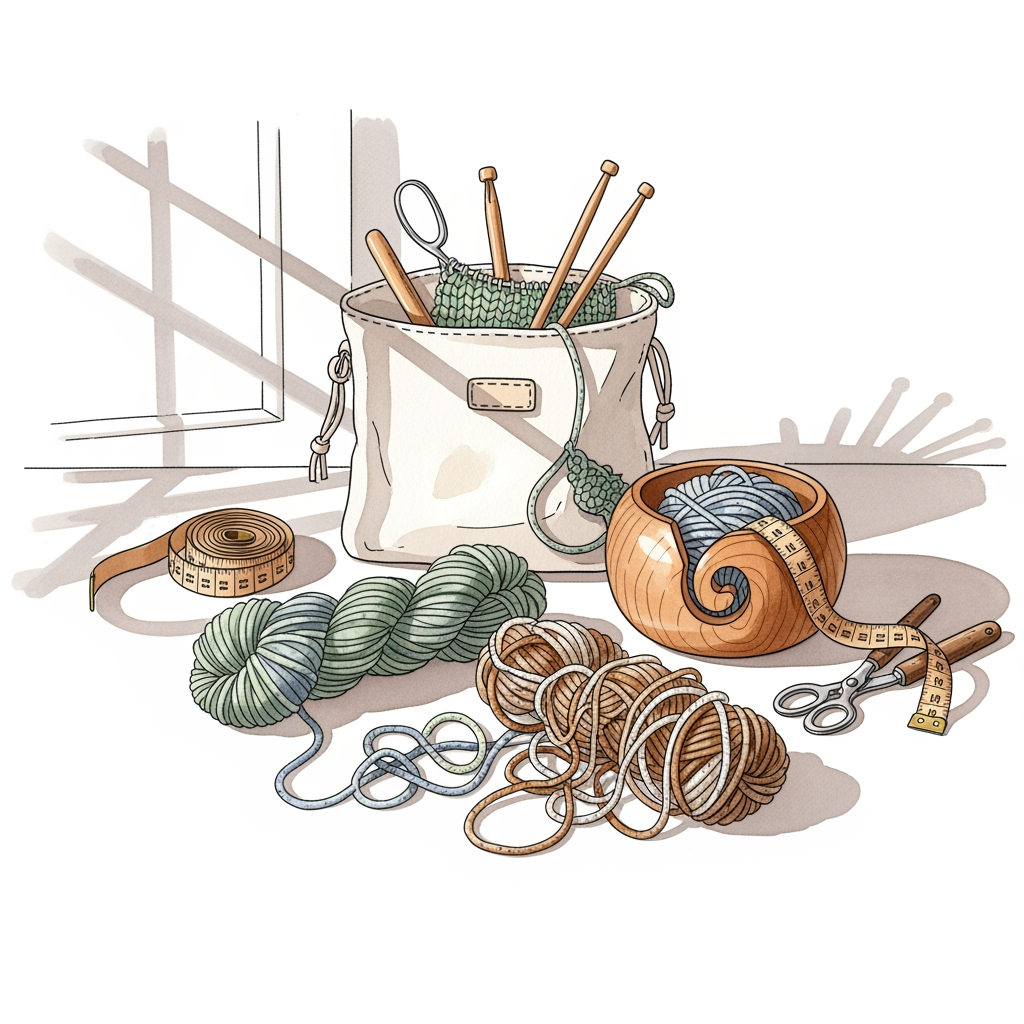
A cluttered workspace is the silent enemy of a smooth knitting flow. When those stitch markers vanish beneath a pile of swatches and patterns, the rhythm of your craft inevitably stalls. Investing in adhesive-mounted caddies can transform vertical surfaces into highly efficient storage hubs for essential notions. By keeping your tools within arm’s reach, you maintain focus on the tension and complexity of your work.
3M Command Caddy: For Damage-Free Organization


Adhesive strips from Command are the gold standard for renters or those who prefer not to mar their wooden craft tables. These caddies offer a reliable, temporary hold that can be removed without stripping paint or leaving sticky residue behind.
Reliability is paramount when storing delicate bamboo cable needles or sharp tapestry needles. Because the adhesive is designed for easy removal, the load capacity is generally lower than screwed-in alternatives. Avoid overloading these with heavy ceramic yarn bowls or bulk skeins of worsted weight wool.
For the most secure hold, ensure the caddy is placed at a height where it won’t be snagged by roving or yarn cakes as you knit. Stick to lightweight items like stitch markers, cable needles, and measuring tapes. It is the perfect entry point for organizing a temporary knitting station.
Stori Clear Plastic Caddy: Best for Visibility
Visibility is the secret to a fast-paced knitting session. Transparent caddies allow you to spot the exact size of your progress keeper or the specific stitch marker color needed for your current lace project without digging through opaque bins.
The clear plastic design acts as a visual inventory. When you can see that your supply of locking stitch markers is running low, you can replenish them before you hit a complex chart in a stranded colorwork pattern. It removes the guesswork from tool management.
Be mindful that clear plastic can be brittle under high-tension stress. Mount these in areas where they won’t be knocked by a full knitting bag. They shine brightest when used for small, frequently accessed items that are easily lost.
The Mighty Stash Pod: Most Versatile Storage
These pods are designed for the knitter who requires a deep, flexible container. Unlike flat trays, these pods accommodate bulkier items like crochet hooks used for picking up dropped stitches or small scissors that need a dedicated vertical space.
Versatility here refers to the ability to hold items of varying weights. If the stash pod is properly adhered, it can even manage the weight of a set of small circular needles. It is an excellent choice for those who want one catch-all spot for the immediate tools of a current project.
Choose this option if your workspace lacks depth and requires a narrow profile. It keeps your workspace tidy, which is essential when working with delicate silk or mohair blends that attract debris. The more space you save, the easier it is to manage your yarn tension without distraction.
Yamazaki Home Desk Bar: For Minimalist Style
Minimalism is more than an aesthetic choice; it reduces visual noise, allowing for deeper concentration on intricate cable or lace textures. Yamazaki products utilize a sleek, steel-based approach that feels high-end and integrates perfectly into a modern craft room.
While the design is sparse, the functionality is precise. These bars often feature hooks or narrow slots, which are ideal for hanging stitch marker rings or tape measures. They provide a structural home for tools that would otherwise get buried in a project bag.
The trade-off is often a smaller capacity compared to plastic bins. This is a deliberate choice for the knitter who keeps only the bare essentials on the desk. If you prefer to keep your station serene and uncluttered, this is the superior choice.
Clic-n-Stic Modular Pods: Customizable Setup
Customization is critical when every knitter has a unique workflow. Modular systems allow you to add or remove storage units based on the specific project at hand, such as adding a dedicated spot for cable needles when starting a complex cabled sweater.
The mechanical connection between these pods usually involves a click-and-lock feature. This provides a satisfying physical stability that adhesive-only solutions sometimes lack. You can arrange them horizontally to stretch across the back of your desk or vertically to save space.
Consider the layout of your tools carefully before finalizing the arrangement. If you switch between different weights of yarn frequently, having a modular system that can swap out for specific needle gauge sets is a professional-level upgrade. It adapts as your skill level and project needs evolve.
ANGNYA Brush Holder: Ideal for Holding Tiny Tools
Though designed for beauty tools, the ANGNYA brush holder is a hidden gem for knitters. Its upright, individual slots are perfect for organizing DPNs (double-pointed needles) or fine-tipped crochet hooks used for weaving in yarn ends.
Keeping needles separated prevents them from scratching each other, especially with expensive rosewood or ebony sets. The upright orientation prevents the tips from dulling against hard surfaces. It turns your needle collection into a functional display.
This is not intended for heavy accessories, so keep the contents lightweight. The vertical storage also makes it easier to select the correct size needle at a glance. It is a highly specific solution, but for the knitter with a growing collection of needles, it is invaluable.
Choosing Adhesives: Permanent vs. Removable
The decision between permanent and removable adhesive is a matter of long-term intent. Removable strips, like those used in Command products, provide flexibility but may fail under excessive heat or humidity—conditions that are sometimes present in rooms with heavy steaming or blocking activities.
Permanent adhesives or screw-in mounts provide maximum security. These are best for permanent studio setups where you know your desk layout will not change for years. Once placed, these are not easily moved, so plan your ergonomic layout with care.
Always consider the surface material. Wood finishes, laminate, and metal react differently to adhesive residues. If you are uncertain about the finish, lean toward removable options that have been tested on delicate furniture to avoid permanent marring.
Prepping Surfaces for the Strongest Adhesion
The secret to long-lasting organization is the preparation of the surface. Adhesive fails when applied to dusty, oily, or uneven surfaces. Wipe your desk area with isopropyl alcohol to remove any residual hand oils or fiber dust from previous knitting projects.
Allow the surface to dry completely before applying any adhesive. Even a microscopic layer of moisture or dust will compromise the bond. If your desk is porous, such as unfinished wood, you may need a small mounting bracket instead of tape to ensure a secure hold.
Taking these few extra minutes ensures that your caddy doesn’t fail at a critical moment. A fallen caddy can scatter your stitch markers and tiny tools across the floor, breaking your focus. Treat the application process as seriously as you treat the cast-on edge of a sweater.
Think Beyond the Desk: Other Smart Placements
Your desk is not the only surface that benefits from clever organization. The side of a bookshelf or the leg of a craft table can become a secondary storage zone. Using vertical space outside of the desk surface helps clear your primary working area for large-scale projects like blankets.
Consider the “reach zone.” Place your most-used tools within a 12-inch radius of where your hands typically sit while knitting. This minimizes unnecessary movement, which preserves your stamina during long knitting sessions.
Be mindful of lighting when choosing secondary placements. If a caddy is hidden in a shadow, the utility of a clear or organized caddy is significantly reduced. Always prioritize high-visibility areas for your essential notions.
What to Put In Your Caddy: Organizing Notions
Filling a caddy is about logical grouping. Place your most frequent “project-specific” tools in the most accessible spot. This includes your current set of stitch markers, a tapestry needle, and a small pair of snips.
Use different slots for “utility” items that you need less often, such as spare cable ends, needle gauges, or a small tube of Eucalan for spot-cleaning accidents. Keep sharp items pointed downward or protected to ensure safety when reaching for tools in the dark or while distracted.
Regularly audit your caddy to remove items that no longer belong. If you’ve finished a project, move those specific tools back to their permanent storage bin. Keeping the caddy focused on current needs is the ultimate strategy for maintaining a clutter-free knitting space.
Well-organized tools are the hallmark of an efficient maker. By selecting the right caddy and installing it with care, you eliminate the friction that keeps you from your best work. Start small, assess your needs, and enjoy the clarity that an orderly space brings to your fiber arts practice.



