6 Best Compartment Inserts For Shallow Desk Drawers
Organize your workspace effectively with our 6 best compartment inserts for shallow desk drawers. Explore our top-rated picks and upgrade your desk storage today.
Shallow desk drawers often become the final resting place for tangled stitch markers, loose tapestry needles, and orphaned cable needles. When these tiny, essential tools disappear into the dark corners of a disorganized drawer, productivity on a lace shawl or complex colorwork project grinds to a halt. Properly compartmentalizing these spaces ensures that every tool has a home, preventing the frustration of hunting for a specific needle gauge during a critical increase row. These storage solutions transform cluttered junk drawers into highly efficient workstations for any dedicated maker.
The Container Store Modular Organizers: Best Overall
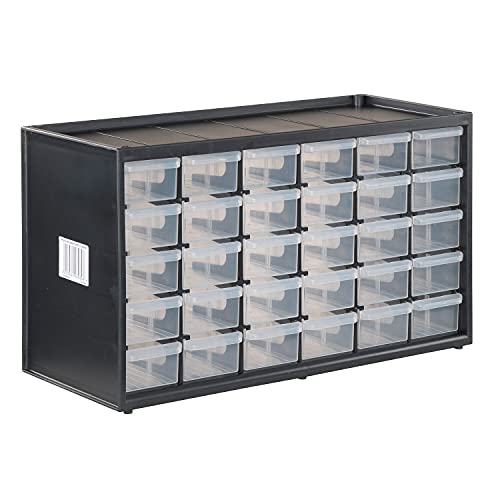

These clear acrylic bins are the industry gold standard for versatility and longevity. Their precise, uniform dimensions allow for a perfectly flush fit within shallow drawers, ensuring that small items like stitch counters do not migrate under the dividers.
For those who manage large collections of circular needles, these modules provide enough structure to keep cables coiled neatly without forcing them into tight bends. This is vital for maintaining the memory and shape of modern nylon or steel cables.
The bottom line: Modular acrylic systems offer the highest level of customization for a serious stash. They are worth the investment for a drawer that needs to house everything from bulky measuring tapes to delicate crochet hooks.
Madesmart Interlocking Bins: Great Budget Pick

These interlocking bins provide a highly flexible solution at a fraction of the cost of premium systems. The ability to snap pieces together means that the layout can adapt as a collection of notion cases or needle gauges expands over time.
Because these bins are lightweight and thin-walled, they maximize the internal volume of shallow drawers. They are particularly useful for sorting small notions like progress keepers or embroidery scissors that often get lost in larger, deeper compartments.
The takeaway: If the budget is prioritized for high-quality yarn or hand-dyed fibers, interlocking bins provide excellent utility without overextending finances. They are the ideal starter kit for organizing a growing collection of notions.
OXO Good Grips Drawer Bins: Best Non-Slip Grip
Non-slip feet are not merely a luxury; they are a functional necessity in a desk drawer that gets opened and closed dozens of times a day. These bins stay anchored in place, ensuring that expensive specialty tools, such as interchangeable needle tips, do not slide around and sustain surface damage.
The interior surface of these bins is designed to prevent small, metallic objects from rattling or shifting. This is a critical feature for keeping fragile items like vintage silver needles or precise digital scales from bumping into one another.
Final verdict: For those who appreciate stability and high-quality materials, OXO bins are a superior choice. They protect the investment made in high-end knitting equipment through simple, effective engineering.
Three by Three Bamboo Organizers: Stylish Choice
Bamboo offers a warm, tactile aesthetic that resonates well with the organic nature of wool, linen, and silk fibers. Beyond the visual appeal, bamboo is a naturally renewable resource, making it a compelling choice for the eco-conscious maker.
These trays are typically sturdier than their plastic counterparts and provide a rigid frame for organizing delicate items. They bring a sense of calm and order to the workspace, which can be particularly helpful during the tedious process of weaving in hundreds of loose yarn ends.
Consideration: While beautiful, bamboo can be harder to clean if lanolin or oils from yarn residue accumulate. Bamboo organizers are best reserved for clean, dry notions rather than tools that might have been handled with lotions or fiber treatments.
Stori Clear Plastic Organizers: Best for Visibility
Visibility is the most important factor when you are mid-project and need to locate a specific needle size quickly. These crystal-clear containers eliminate the guesswork, allowing you to see exactly how many stitch markers remain without opening a lid.
The lack of tinting or texture in the plastic makes these bins ideal for a minimalist, clean aesthetic. They allow the drawer itself to remain the focus, keeping the contents neatly arranged and highly accessible for rapid grab-and-go access.
Bottom line: Choose Stori organizers if the goal is absolute clarity and speed. They are the best option for maintaining a streamlined, professional-looking notion drawer.
Rubbermaid No-Slip Bins: Most Durable Option
Durability is paramount when organizing heavy metal tools like stainless steel needle sets or metal crochet hooks. Rubbermaid bins are constructed to withstand the weight of dense notions without bowing or cracking, ensuring a long lifespan.
The inclusion of a non-slip liner is a thoughtful feature that protects both the tools and the bottom of the drawer. These bins are built for heavy-duty, daily use rather than occasional light organizing.
Conclusion: If the primary concern is longevity, Rubbermaid offers the best balance of strength and utility. They are a reliable, “set-it-and-forget-it” solution for a busy maker’s workspace.
How to Measure Your Drawers for a Perfect Fit
Measuring is the step that most makers skip, often leading to wasted space or drawers that refuse to close properly. Use a metal tape measure to get the interior dimensions, and remember to account for the height of the drawer slides, which can often obstruct a bin.
Always measure at the narrowest point of the drawer, not just the base. Some drawers taper slightly toward the bottom, and a bin that fits at the top may be impossible to push all the way down if the corners are tight.
Pro tip: Leave at least a quarter-inch of clearance on all sides. A snug fit is aesthetically pleasing, but a slightly loose fit allows for easier removal and cleaning.
Plastic vs. Bamboo vs. Felt: Which is Right?
The material choice should reflect the sensitivity of the tools being stored.
- Plastic: Easy to sanitize, highly visible, and very durable. Perfect for metal needles and general notion storage.
- Bamboo: Tactile, natural, and beautiful. Ideal for wooden needles and tools that benefit from being stored in a breathable, natural environment.
- Felt: Soft and sound-dampening. Excellent for protecting delicate accessories like vintage bone or celluloid crochet hooks that could scratch easily.
The material must match the environment of the desk. If the workspace is subject to temperature swings, natural materials like bamboo may expand or contract, whereas high-quality plastic remains stable.
A Knitter’s Guide to Organizing Small Notions
Small notions, such as stitch markers, are notorious for escaping through gaps in dividers. When choosing inserts, prioritize bins with solid, seamless bottoms to prevent tiny objects from sliding underneath the tray.
Group tools by project stage: one bin for “pre-cast on” (measuring tools, gauges), one for “in-process” (stitch markers, progress keepers), and one for “finishing” (tapestry needles, scissors, blocking pins). This logical flow mirrors the progression of a knitting project and keeps essential tools within reach during specific phases of work.
Creating Custom Layouts with Interlocking Bins
The modularity of interlocking bins allows for a bespoke drawer layout that can change as the knitting repertoire evolves. Start by placing the largest items—such as long straight needles or circular needle cases—first, then fill the voids with the smaller bins.
Do not be afraid to create odd-shaped compartments by mixing and matching different bin sizes. A long, narrow bin is perfect for a pair of scissors, while a small square bin is ideal for holding a supply of locking stitch markers. This tailored approach ensures that no drawer space goes to waste.
Organizing a shallow desk drawer is an investment in your craft, ensuring that your tools are protected and ready for your next project. By selecting the right inserts for your specific needs, you eliminate the daily frustration of clutter and create a space where creativity can truly flourish.