6 Best Pearl Buttons For Sash Closures To Use
Elevate your designs with our top 6 pearl buttons for sash closures. Discover the perfect stylish, durable options for your next project and shop the list here.
The finishing touches on a hand-knit garment often dictate whether the piece feels like a professional heirloom or a homemade project. Choosing the right closure for a sash requires balancing the weight of the fabric against the structural integrity of the buttonhole. Pearl buttons offer a timeless luster that elevates natural fibers like wool, alpaca, and silk, providing a sophisticated focal point. Selecting the perfect hardware ensures that the closure remains functional while enhancing the overall design aesthetic.
JHB International Shell Buttons: Best Overall


JHB International provides a consistent standard of quality that makes these shells a reliable choice for daily knitwear. The natural variations in the shell ensure that every button has a unique, subtle iridescent quality that mass-produced plastic simply cannot replicate.
These buttons possess a moderate weight that sits perfectly on medium-weight yarns like DK or worsted wool. They offer enough durability to withstand frequent use without the risk of cracking that sometimes plagues thinner, more delicate mother-of-pearl varieties.
For projects requiring a balance of elegance and practicality, this is the default selection. The finish is smooth enough to avoid snagging delicate mohair or high-twist merino fibers during the fastening process.
Akoya Pearl Buttons: Premium Heirloom Choice

Akoya pearl buttons represent the pinnacle of luxury, characterized by their high luster and perfectly round, uniform shapes. These buttons are typically sourced from saltwater oysters, resulting in a depth of color that is unmatched by freshwater counterparts.
Use these for special occasion garments, such as hand-knit christening gowns, bridal wraps, or high-end lace cardigans. Because these buttons are precious, they require careful handling and should be reserved for items that do not undergo heavy, daily wear.
When stitching these onto a delicate sash, always use a silk or fine cotton thread that matches the garment’s main color. The weight of the button is light, meaning it will not distort the structure of fine lace or intricate cable work.
La Mode Classic Pearl Buttons: Best Budget Pick
La Mode buttons are the reliable workhorse of the crafting world, offering an accessible price point without sacrificing a clean, polished appearance. These buttons are ideal for knitters producing multiple garments who need a cohesive look without breaking the budget.
While these are often composed of high-quality polyester-based pearl finishes, they mimic the aesthetic of natural shell remarkably well. They are extremely durable, making them a wise choice for children’s sweaters or frequently worn cardigans.
Opt for these when the goal is a consistent, uniform look across a row of buttons. They are machine-washable and resistant to the types of friction that can cause natural shell to dull over time.
Blumenthal Lansing Agoya Shell: Most Versatile
Agoya shell buttons are prized for their versatility and distinct, slightly mottled appearance. They have a thicker profile than many other shell buttons, which provides a satisfying tactile experience when buttoning and unbuttoning a sash.
These buttons handle the stresses of a closure particularly well due to their robust structure. If the sash is expected to endure tension, such as on a fitted vest or a cinched cardigan, the Agoya shell provides the necessary strength to keep the fabric secure.
They work beautifully with rustic, earthy fibers like tweed or wool blends. Their natural, unrefined beauty highlights the handmade nature of the garment rather than hiding it behind synthetic gloss.

Dill Shank Buttons: Best for Bulky Knits
Bulky knits create significant depth, meaning a flat button is often swallowed by the fabric, making the sash difficult to secure. Shank buttons solve this by providing a small loop on the back, allowing the button to “float” above the fabric surface.
Dill offers an exceptional range of shank-style pearl buttons that bridge the gap between bulky yarn structures and functional closures. The shank creates the necessary clearance for thick fabric to wrap around the button without distorting the knit stitches.
When attaching these, ensure the shank is long enough to accommodate the thickness of your specific yarn weight. A properly fitted shank prevents the buttonhole from pulling and warping during regular wear.
E-River Faux Pearl Buttons: Top Vegan Option
Faux pearl buttons have advanced significantly in recent years, offering the classic aesthetic of mother-of-pearl without the use of animal-derived materials. These are an excellent choice for knitters who strictly use plant-based fibers like linen, cotton, or bamboo.
The surface finish is highly consistent, ensuring no sharp edges or microscopic cracks that might snag natural fiber strands. They are incredibly lightweight, making them perfect for light-summer tops where a heavy button might weigh down the fabric.
They provide a bright, clean white appearance that stays consistent over many wash cycles. If color consistency is the primary goal for a project, synthetic options often outperform natural shell.
How to Choose the Right Button Size for Sashes
The rule of thumb for button sizing is to match the diameter to the width of the buttonhole, plus an additional two millimeters to allow for the thickness of the button. A button that is too large will stretch the stitches and potentially lead to dropped loops or frayed edges over time.
- For thin sash bands (fingering weight): Aim for 10mm to 12mm buttons.
- For medium bands (DK/worsted weight): Aim for 15mm to 18mm buttons.
- For wide, structural sashes (bulky weight): Look for 20mm or larger buttons.
Always measure the buttonhole on the finished garment before finalizing the purchase. If the buttonhole is already worked, the button must slide through with slight resistance but without force.
Real vs. Faux Pearl Buttons: A Quick Guide
Distinguishing between real mother-of-pearl and faux versions comes down to weight and temperature. Real shell feels cool to the touch and has a slightly heavier, denser “clink” when two buttons are tapped together.
Synthetic or faux pearls are usually warmer to the touch and feel lighter in the hand. Real mother-of-pearl can sometimes show slight, natural imperfections or growth lines under close inspection, whereas faux pearls are perfectly smooth and uniform.
Choose real shell when the project deserves a premium, authentic finish that will develop a patina over years of wear. Choose faux pearl for items that require frequent machine washing or when the budget requires a more economical solution.
Tips for Sewing Buttons onto Hand-Knit Fabric
Sewing a button directly onto knit fabric creates a point of stress that can lead to holes if not handled properly. Always sew a small “anchor” button or a reinforcing square of matching fabric on the inside of the garment to distribute the tension.
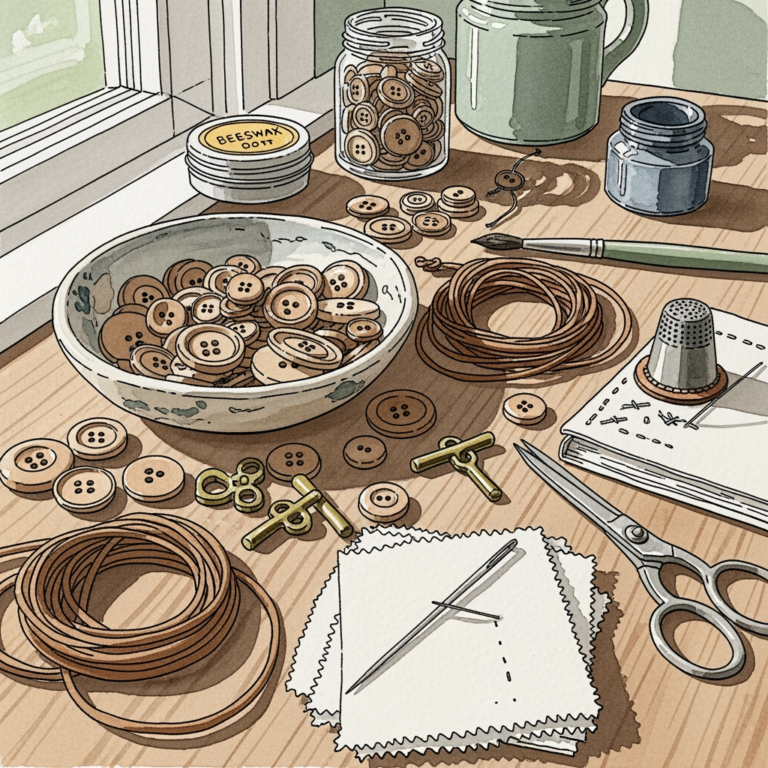
- Use a sturdy, non-stretchy thread like buttonhole twist or waxed cotton.
- Leave a small “thread shank” by placing a toothpick or tapestry needle between the button and the fabric while sewing.
- Wrap the thread around the base of the stitches multiple times to create a secure, flexible neck for the button.
This method allows the button to sit comfortably on top of the fabric without pulling at the stitches. It also prevents the button from being ripped off if the sash is snagged during movement.
Caring for Your Mother-of-Pearl Buttons
Natural mother-of-pearl is porous and sensitive to harsh chemicals. Avoid using aggressive detergents or high-heat drying, which can cause the shell to become brittle or lose its pearlescent luster.
If the garment must be machine-washed, place it inside a dedicated mesh laundry bag to prevent the buttons from cracking against the drum. Ideally, hand-wash your hand-knits in cool water with a gentle wool wash to preserve both the fiber and the hardware.
Should the buttons lose their shine over time, a tiny amount of mineral oil applied with a soft cloth can restore their natural glow. Store your finished garments flat to keep the weight of the buttons from stretching out the surrounding stitch patterns.
Selecting the right pearl button is an investment in the longevity and aesthetic success of a hand-knit garment. By matching the button type to your yarn weight, project structure, and care requirements, you ensure that the final piece remains as beautiful as the day it was bound off the needles.