
7 Best Book Holders For Kitchen Craft Areas To Use
Struggling to read while you cook? Discover the 7 best book holders for kitchen craft areas to keep your recipes clean and accessible. Shop our top picks today!
Maintaining a steady rhythm during a complex lace project is nearly impossible if a pattern constantly slides off the table or requires constant readjustment. A reliable book holder transforms a cluttered craft area into a functional studio by keeping instructions at eye level. This simple adjustment prevents neck strain during long knitting marathons and preserves delicate printed charts from accidental yarn snags or spilled tea. Choosing the right support is as vital as selecting the correct needle size or fiber composition for a specific tension goal.
Readaeer Bamboo Book Stand: Best Overall Choice


The Readaeer Bamboo Book Stand excels because of its robust construction and wide, adjustable ledge. Its aesthetic fits seamlessly into a traditional craft space, but the real benefit lies in its ability to support heavy pattern books without wobbling.
When working through a stitch dictionary or a thick technique manual, stability is non-negotiable. The multi-angle adjustment allows for a perfect line of sight, which is essential for tracking complex cables or intricate colorwork charts.
The bamboo material is lightweight yet surprisingly durable, standing up well to the inevitable minor spills found in any active knitting corner. While it lacks the sleek folding profile of metal options, it remains the gold standard for those who keep a permanent reference library on their workspace.
Lamicall Tablet Stand: Best for Digital Patterns
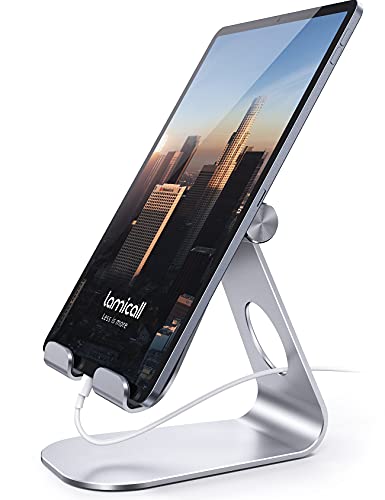
Digital patterns have become a staple in modern knitting, particularly for those who prefer to zoom into complex charts on an iPad or tablet. The Lamicall Tablet Stand provides the necessary elevation and ergonomic viewing angle to keep a device secure while working with fine-gauge yarn.
This stand is particularly useful when knitting with slippery luxury fibers like silk or bamboo, where even a momentary distraction can lead to dropped stitches. The rubberized grips ensure that the tablet stays put, even when tapping the screen to advance a page.
Because it is designed specifically for tablets, it lacks the depth required for thick physical books. Use this exclusively for digital files or single-sheet printed patterns held in place by small magnets or clips.
Clover Kantan Book Stand: Best for Craft Charts

The Clover Kantan stand is designed with the unique needs of crafters in mind, specifically those working from folding charts. Its design is compact, ensuring it does not monopolize valuable table space when working on large projects like blankets or oversized sweaters.
The unique tension arms are a game-changer for those who need to keep a specific row highlighted. These arms hold the page flat, preventing the paper from curling or flipping shut during a crucial transition in a pattern.
Be aware that this stand is best suited for lightweight pamphlets and standard pattern booklets. If the goal is to prop up a massive knitting encyclopedia, a larger, more weighted stand will be necessary.
YCOCO Acrylic Stand: Best Modern Aesthetic
The YCOCO Acrylic Stand offers a minimalist look that disappears into the background of a craft room. Its transparency ensures that the focus remains entirely on the pattern, rather than the equipment holding it.
Acrylic is remarkably easy to wipe clean, which is a major advantage for those who craft with fuzzy mohair or loose-fibered wools that tend to shed. If a stray bit of yarn or fiber sticks to the surface, a quick swipe returns the stand to pristine condition.
While visually appealing, acrylic can be prone to scratching if handled roughly. Avoid using harsh chemical cleaners, as these can cloud the finish over time and obscure the view of the pattern.
Actto BST-09 Stand: Best for Heavy Tomes
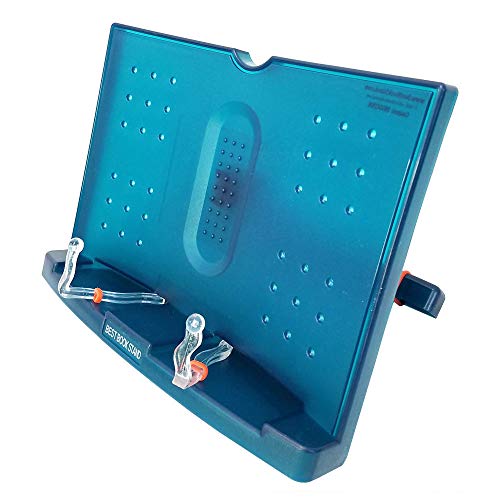
When tackling a comprehensive stitch dictionary or an expansive pattern collection spanning hundreds of pages, the Actto BST-09 is unmatched. It features retractable page holders that can handle significant weight without slipping.
The heavy-duty design is ideal for knitters who reference multiple techniques simultaneously. Its ability to hold a book open at a specific page, even when the book’s spine is stiff, prevents the common frustration of pages flipping mid-row.
This model is larger and less portable than others, so it is best kept in one primary station. It provides the heavy-duty structural support required for serious, long-term knitting projects that involve constant reference.
Lecco BookGem: The Ultimate Portable Stand
The Lecco BookGem is designed for the knitter who takes their projects on the road. Its ultra-slim, foldable design allows it to slip easily into a project bag, making it a perfect companion for knitting groups or travel.
The unique “gem” design clips onto the pages, effectively turning any flat surface into a stable reading desk. It is remarkably light, meaning it adds almost no weight to a commute or a trip to the local yarn store.
Understand that its portability comes at the cost of stability; it is not meant for heavy books. It performs best with thin magazines and pattern printouts, offering a lightweight solution for on-the-go makers.
SYOSIN Book Stand: Top Budget-Friendly Pick
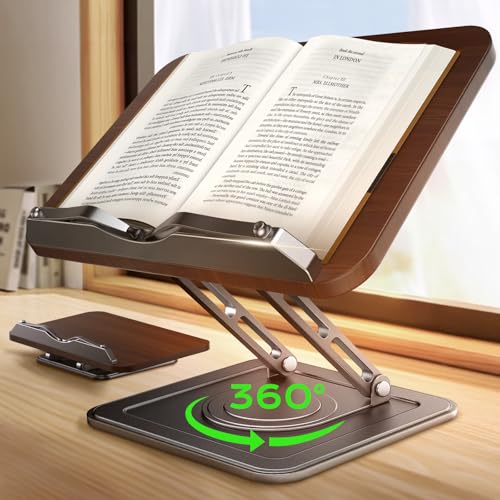
The SYOSIN stand proves that a functional crafting tool does not need to be a major investment. It offers a straightforward, folding metal design that is both adjustable and surprisingly sturdy for its price point.
The metal construction allows for the use of small magnets to hold patterns in place, which is a significant hidden benefit. Simply place a magnetic strip over the current row of a chart to keep track of progress without damaging the paper.
This stand serves as a reliable workhorse for beginners who are still building their toolkit. It is an ideal entry point for anyone who wants to improve their ergonomics without overspending on luxury materials.
How to Choose a Stand for Your Crafting Space
Selecting the right stand depends entirely on the scale and type of knitting performed. If you primarily knit lace, you need a stand that keeps charts perfectly flat and at a comfortable viewing height.
Consider the amount of surface area available on your desk or table. A large stand might be distracting if you are working in a cramped space with limited room for yarn bowls and notion kits.
Always prioritize the weight of the material being referenced. A lightweight stand will frustrate you if it consistently tips over when you place a heavy, hard-bound book upon it.
- Size: Does it hold the width of your pattern?
- Weight: Can it support the thickness of your reference books?
- Adjustability: Does it provide a comfortable neck angle?
- Portability: Do you need to store it away between knitting sessions?
Wood vs. Metal vs. Acrylic: What’s Best for You?
Material choice influences both the longevity and the usability of your book stand. Wood, such as bamboo, provides a warm, sturdy base that resists tipping and adds a natural feel to a workspace.
Metal stands are often the most practical for knitters who use magnets to track rows. They are generally more durable and provide a stable, weighted base that is difficult to knock over while maneuvering needles.
Acrylic is the premium choice for a clean, professional aesthetic but requires more frequent cleaning. It is best for those who prioritize design as much as function, provided they are willing to handle it with a bit more care.
Tips for Protecting Patterns in Messy Workspaces
Patterns are susceptible to damage from yarn oils, tea, and even the natural humidity of a craft space. Protecting your instructions is just as important as choosing a stand to display them.
Using clear sheet protectors or a laminator is a simple way to preserve patterns that are used repeatedly. This also allows you to use dry-erase markers directly on the pattern to check off completed rows without marking the original document.
If you prefer not to laminate, keep a small stash of clear magnets to hold pages down against the stand. This prevents the edges of your charts from catching on roving or wool fibers, which could lead to unwanted tangling or tearing.
Equipping your crafting space with a dedicated book stand is an investment in your physical comfort and the longevity of your projects. By selecting a stand that matches your specific knitting style, you ensure that every stitch is placed with precision and clarity.


