6 Best Non-Greasy Hand Salves For Knitting Prep
Keep your yarn snag-free with these 6 best non-greasy hand salves for knitting prep. Find your perfect moisturizing formula and start your next project today.
Dry, cracked skin is the silent enemy of fine-gauge knitting, frequently turning a relaxing evening of lace work into a series of painful snag-fests. When fingers become rough, they act like miniature sanding blocks against delicate silk, mohair, or high-twist merino fibers. Proper hand care is not just about comfort; it is a fundamental part of maintaining the integrity of the yarn passing through your hands. Choosing the right salve ensures that your skin remains supple enough to glide across fibers without causing unwanted friction or splitting the ply.
O’Keeffe’s Working Hands: Best for Quick Absorption


This formula is engineered specifically for hands that endure significant wear and tear, making it ideal for knitters who work with rustic, high-twist wools that can be abrasive. The key benefit here is the rapid absorption rate, which prevents that slick, oily residue that often leads to dropped stitches or slippery needles.
Unlike traditional heavy creams, this formula forms a protective barrier without feeling like a layer of wax. It is particularly useful when switching between a knitting session and a quick domestic task, as it doesn’t leave greasy prints on your project bag or notions case.
For those who knit with ultra-fine needles where finger dexterity is paramount, the non-slip finish provided by this salve is a major advantage. If the skin is severely compromised, it acts as a sealant, keeping the fiber smooth and preventing it from catching on rough cuticles.
Burt’s Bees Hand Salve: Top All-Natural Choice

For the knitter who prefers to keep chemicals away from their precious natural fibers, this beeswax-based salve is the gold standard. It utilizes botanical oils to provide deep hydration that lasts through long sessions of cable work or intricate colorwork.
Because it is wax-based, it provides a slightly more “tacky” feel upon initial application, which can actually be helpful if you find yourself struggling with slippery metal needles. Once it settles into the skin, however, it becomes completely neutral, leaving hands feeling soft rather than coated.
The natural scent is light and dissipates quickly, meaning it won’t linger on your yarn or interfere with the experience of working with natural, untreated wools. It is a reliable, straightforward option for everyday knitting where maintenance and prevention are the goals.
Badger Balm for Hardworking Hands: Best for Winter
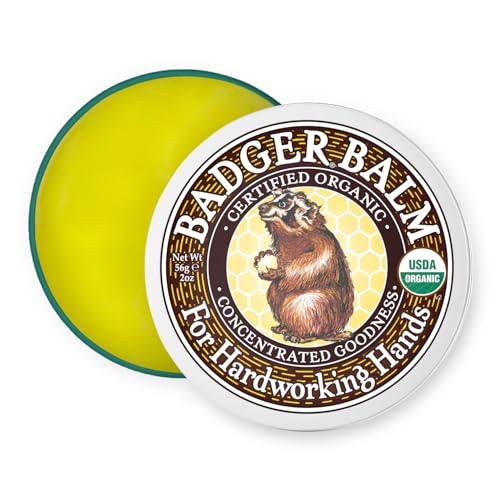
Winter knitting often involves dry, forced-air heat and plummeting humidity, which can lead to painful hangnails that snag on every loop of a mohair blend. Badger Balm serves as a heavy-duty, protective layer that acts like an invisible glove during these harsh months.
The density of this product requires only a tiny amount to be effective, which is a significant factor in preventing the “greasy hands” syndrome. By warming a small pea-sized amount between the palms before application, it transforms into an oil that penetrates deeply into the nail beds.
When working with wool-silk blends or delicate plant fibers like linen, this level of moisture is essential to prevent skin from drawing oil out of the yarn itself. It is the best choice for protecting hands during long weekends of heavy production knitting.
L’Occitane Shea Butter Cream: Most Luxurious Feel
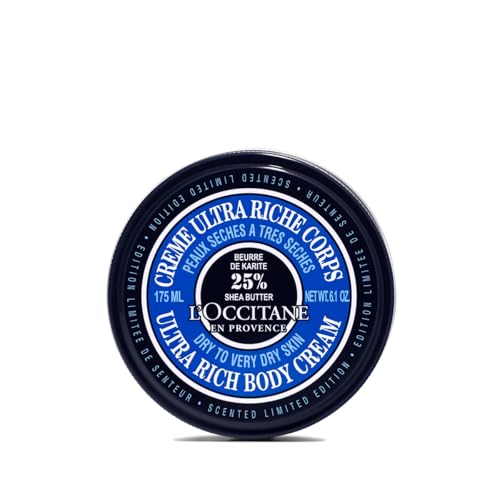
When the goal is pure comfort during a long, meditative project, the luxurious texture of this shea butter cream is unmatched. It manages to provide a high concentration of lipids without the heavy, suffocating feel of cheaper alternatives.
The texture is exceptionally smooth, allowing for an even distribution that absorbs cleanly into the skin. For knitters who find that the tactile sensation of a product matters as much as the result, this provides a premium experience that feels like a reward after a complex row of lace.
Despite the luxurious feel, it remains remarkably stable once absorbed. It does not transfer oils onto your knitting needles or fibers, ensuring that your tension remains consistent throughout your session.
Neutrogena Norwegian Formula: Best Fragrance-Free

Fragrances can be unpredictable, often lingering on animal fibers or potentially irritating sensitive skin during hours of close contact. This fragrance-free option focuses entirely on glycerin-based hydration, which is highly effective for repairing skin without unnecessary additives.
Because it lacks the waxes or essential oils found in other balms, it has a thinner, more viscous profile that disappears almost instantly upon contact. This is the preferred choice for those who work with delicate fibers that might be sensitive to the chemical residues found in scented products.
If the goal is to hydrate without altering the grip of your fingers, this is a top-tier contender. It is the most “invisible” of the bunch, serving as a functional tool rather than a sensory indulgence.
Duke Cannon Bloody Knuckles: Most Intensive Repair

Sometimes, the damage to a knitter’s hands goes beyond simple dryness, resulting in cracks that can genuinely threaten to ruin a project. This formula is specifically designed for the most aggressive repair, making it a must-have for the knitter who works with high-tension yarns or abrasive cottons.
It is remarkably thick and dense, yet it avoids the common pitfall of leaving a wet, oily film on the surface of the skin. Once it sets, it leaves a matte finish that provides excellent grip on needles, which is a rare and welcome property for such an intensive treatment.
It is best applied at the end of the day rather than mid-project, allowing the ingredients to work their magic overnight. You will find that regular use significantly reduces the risk of yarn snagging caused by rough or peeling skin.
How to Apply Salve Without Staining Your Yarn
The trick to avoiding transfer is in the timing and the technique. Always apply the salve at least ten minutes before you plan to pick up your needles, allowing the product to fully emulsify with your skin oils.
Focus the application on the pads of your fingers, the sides of your thumbs, and the cuticles, as these are the areas that make the most contact with the yarn. Avoid applying large globs to the palms of your hands, as this is where excess product will accumulate and eventually transfer to the yarn shaft.
After applying, wait for the skin to feel “dry to the touch.” If you still feel a slight slickness, wipe your palms against your clothes or a clean lint-free cloth before handling your knitting.
Salve vs. Cream vs. Lotion: What’s the Difference?
Understanding these categories is vital for choosing the right tool for your specific knitting needs. Lotions have the highest water content and are generally too light to prevent the skin-drying effects of high-twist wools.
Creams are the middle ground, offering a balance of hydration and moderate absorption. They are the daily workhorses for most knitters, providing enough moisture to keep skin supple for standard weight yarns like worsted or DK.
Salves contain the highest concentration of oils and waxes, making them the most effective for protection. They create a physical barrier between your skin and the fiber, which is essential when working with delicate lace or yarns that are prone to pilling.
Ingredients to Look For (And Ones to Avoid)
When checking labels, prioritize natural humectants and occlusives that support skin health without creating a slippery film. Ingredients like shea butter, beeswax, and glycerin are highly effective and generally safe for delicate fibers.
Avoid products that contain high amounts of artificial fragrances, heavy mineral oils, or silicone-based dimethicone. These ingredients can create a “filmy” residue that clings to your yarn, potentially attracting dust or altering the way your yarn feels as it passes through your fingers.
Look for items that list natural essential oils for scent, if you must have one, but prioritize “fragrance-free” whenever possible. A simple ingredient list is almost always better for both your hands and your fiber stash.
Testing a New Salve on a Yarn Swatch First
Before you commit to applying a new product and immediately diving into a complex project, perform a patch test on a yarn swatch. Apply a normal amount of the salve to your hands, then work ten rows of stockinette stitch with a scrap piece of the same yarn you intend to use.
Observe how the yarn feels while you are knitting—does it slide differently? Does the yarn look dull or become sticky after handling? Check the swatch for any visible residue or changes in the way the twist behaves.
This small step acts as an insurance policy for your materials. If the yarn shows no negative reaction, you can proceed with confidence. If you notice any changes in the yarn’s appearance or your grip, you know that the product is better suited for post-knitting recovery rather than pre-knitting prep.
Hand care is an investment in the quality of your finished items. By selecting a salve that balances moisture with a clean, non-greasy finish, you protect both your skin and your hard-earned progress. Keep your hands healthy, and your knitting will certainly follow suit.