
6 Best Drawstring Cords For Sachet Assembly To Try
Discover the 6 best drawstring cords for sachet assembly to ensure professional, durable results for your craft projects. Read our guide and pick yours today.
Selecting the perfect drawstring for a sachet project is far more than an aesthetic afterthought. The right cord dictates how smoothly the closure functions and how long the finished piece will withstand repeated use. Choosing between texture, drape, and durability ensures the sachet remains both functional and beautiful over time. These six cord options provide the structural integrity required to secure everything from lavender-filled pouches to delicate gift bundles.
Knitted I-Cord: The Ultimate DIY Drawstring


I-cords are the quintessential choice for a maker who wants complete control over color and fiber composition. By using the same yarn as the sachet itself, the drawstring achieves a perfect, cohesive look that store-bought trims cannot replicate.
Creating a firm, round cord requires working on two or three stitches using double-pointed needles. Choosing a smooth, plied wool yarn ensures the cord has enough structure to glide through a casing without snagging.
Avoid using loosely spun single-ply yarns, as these tend to pill and lose shape quickly. While I-cords require more time to produce, the result is a custom, professional-grade finish that feels balanced in the hand.
Satin Ribbon: For a Quick and Elegant Finish
Satin ribbon brings an immediate sense of refinement and luxury to any small fabric pouch. Its smooth surface makes it exceptionally easy to pull through a casing, minimizing friction against the surrounding fabric.
However, satin has a tendency to untie itself if not knotted with care, as the slick fibers lack natural grip. It works best for sachets intended for display or light use rather than items being tossed into a travel bag.
For best results, select double-faced satin ribbon so the finish looks polished from every angle. If the ribbon feels too slippery, double-knotting is the standard way to ensure the closure stays secure.
Jute Twine: Best for a Rustic, Natural Vibe
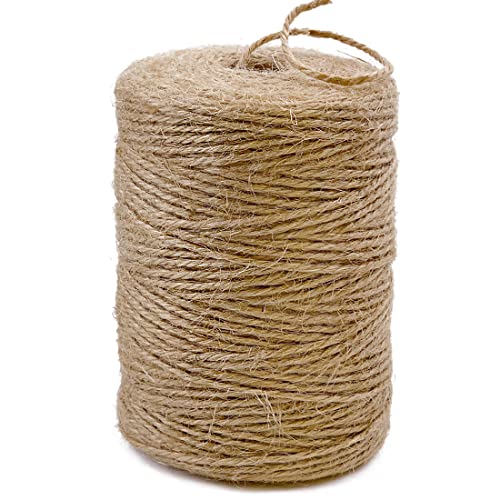
Jute twine offers a grounded, earthy aesthetic that complements linen or raw cotton fabrics perfectly. Its stiff, fibrous texture provides high resistance, meaning it stays knotted firmly once tightened.
The primary trade-off is the rough texture, which can be abrasive on delicate silks or thin, lightweight cottons. Over time, the stiff fibers may also fray at the ends or leave small deposits of lint within the sachet casing.
Use jute for projects where a rugged, “homespun” appearance is the priority. When working with twine, ensure the casing is wide enough to accommodate the thickness and prevent the fabric from bunching up.
Waxed Cotton Cord: A Sturdy, No-Fray Option
Waxed cotton cord provides the strength of a heavy-duty material with a polished, matte finish that never frays. Because the threads are infused with wax, the cord remains semi-rigid, which makes it incredibly easy to thread through even the tightest casings.
It handles constant opening and closing better than almost any other material, as the wax coating acts as a protective shield. It feels substantial to the touch and provides a modern, clean look that works across various fabric styles.
Be aware that very dark or vibrant wax coatings can occasionally transfer color if subjected to extreme heat or moisture. Always test a small scrap before installing the cord on a light-colored, precious fabric.
Faux Suede Lacing: For a Soft, Luxe Touch
Faux suede lacing is a fantastic alternative for makers who want the look of leather without the associated cost or thickness. It offers a soft, pliable drape that conforms beautifully to the gathered fabric of a sachet.
Unlike rigid cords, suede lacing creates a flat, wide closure that feels very soft against the skin. It is particularly effective for gift sachets that will be handled frequently, as it feels premium and tactile.
Because it is a synthetic material, it possesses impressive tensile strength and will not break under tension. If you want to elevate a simple project with minimal effort, this is the most effective material choice.
Braided Embroidery Floss: Delicate & Colorful
Braided embroidery floss is an excellent way to introduce fine detail and color blending to small sachet projects. By braiding multiple strands of cotton floss together, you create a custom-width cord that perfectly matches the color palette of the sachet fabric.
The primary benefit of this method is its versatility and the ability to achieve precise color coordination. The resulting cord is soft, flexible, and holds knots exceptionally well due to the high surface area of the braided fibers.
Keep in mind that this is a labor-intensive process, as the length of the braid must be consistent to look professional. For small sachets, it is a charming, handmade touch that highlights a maker’s attention to detail.
How to Choose a Cord for Your Sachet Fabric
The weight of your cord must always be proportional to the weight of your fabric to ensure the casing doesn’t pull or pucker. Heavy cords placed in thin, delicate casings will create an unsightly, bulky closure.
- Lightweight Fabrics (Silk, Voile): Opt for thin, flexible materials like braided embroidery floss or narrow satin ribbon.
- Medium-Weight Fabrics (Cotton, Linen): Use waxed cotton or knitted I-cords for a balanced look.
- Heavyweight Fabrics (Canvas, Burlap): Choose sturdier options like jute or thick, round braided cords.
Always verify that the cord is smooth enough to slide through the casing without catching on the internal seam allowances. If the fabric is prone to fraying, use a slightly wider casing to accommodate the thickness of the cord easily.
Calculating the Perfect Drawstring Length
Accurately calculating the length of a drawstring requires factoring in the width of the bag plus an allowance for the cord ends. A common rule of thumb is to measure the full circumference of the sachet opening and multiply by 1.5.
Add an extra 2-3 inches on each side if you plan to tie a decorative bow or attach large beads. For double-drawstring closures, where you thread two separate cords from opposite sides, each cord should be equal to the full circumference of the bag.
Cutting the cord too short makes it nearly impossible to tie a proper bow. It is always better to have an extra inch or two that can be trimmed after the final assembly than to find yourself short by half an inch.
Finishing Cord Ends: How to Prevent Fraying
Frayed ends are the quickest way to make a beautiful handmade project look unfinished. Synthetic cords like waxed cotton or faux suede are easy to seal by briefly passing the cut end through the flame of a lighter.
For natural fibers like jute or cotton twine, use a small dab of clear fabric glue or fray check on the very tips. This prevents the cord from unraveling without leaving a thick, crusty residue.
Knotted ends are also a classic, clean finish for thicker, non-fraying cords. A simple overhand knot at each end of the cord serves both a functional purpose—preventing the cord from pulling through the casing—and an aesthetic one.
Add Beads or Tassels to Your Drawstring Ends
Personalizing your drawstring ends adds a layer of professional polish and weight that helps the cords hang gracefully. Wooden beads, glass beads, or metal charms can be secured at the base of the drawstring with a knot.
Tassels provide a dramatic, elegant flourish, especially when combined with satin or silk ribbons. Ensure that any added embellishment is not so heavy that it pulls the sachet open when set on a flat surface.
If you add beads, check that the hole is wide enough for the cord to pass through twice if needed. This extra step transforms a simple functional item into a finished, artisanal piece.
Choosing the right cord is a small investment of time that significantly enhances the usability and character of your sachets. By balancing the physical properties of the cord with the weight of your fabric, you ensure a professional outcome that stands up to daily use. Experiment with these materials to discover which textures suit your aesthetic preferences and the specific needs of your upcoming projects.